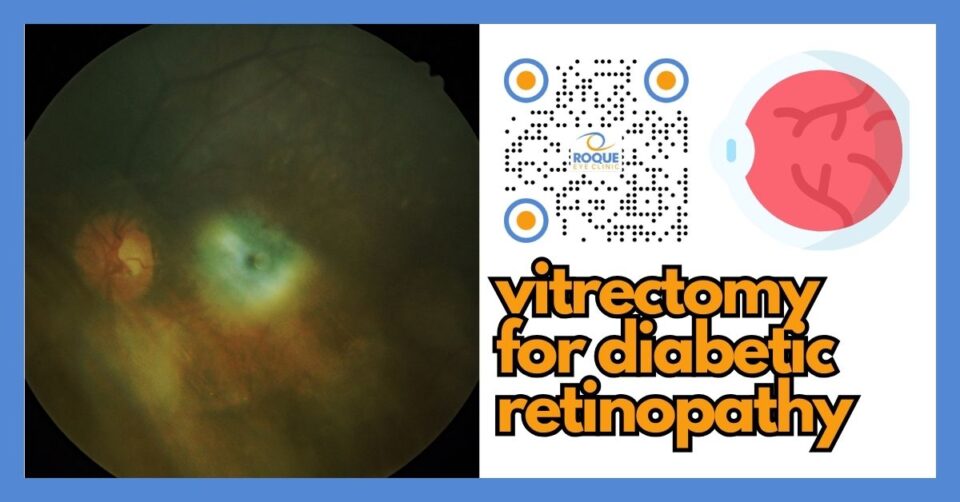
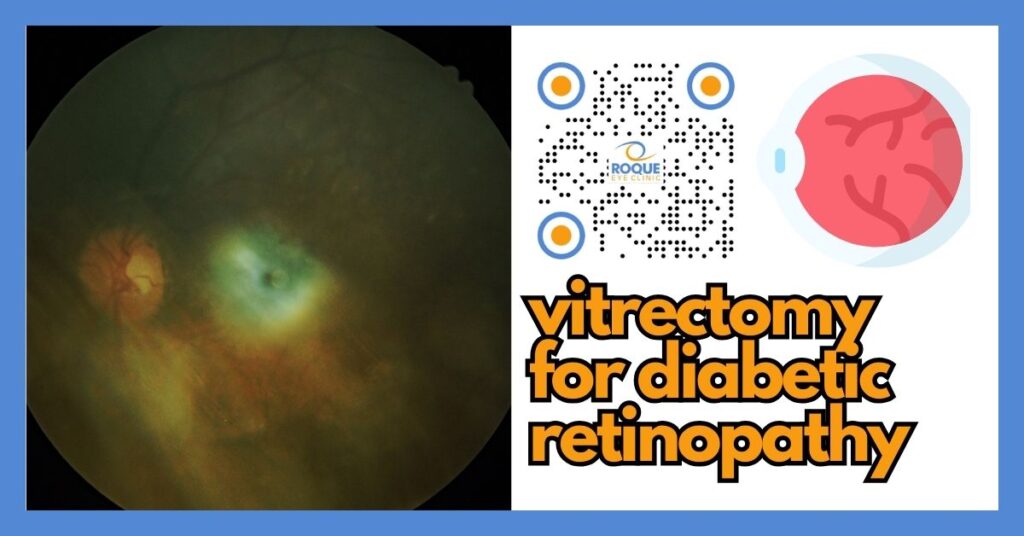
Vitrectomy for diabetic retinopathy is used when bleeding, scar tissue, or traction threatens vision. Learn when it is recommended, what surgery involves, and what recovery is usually like.
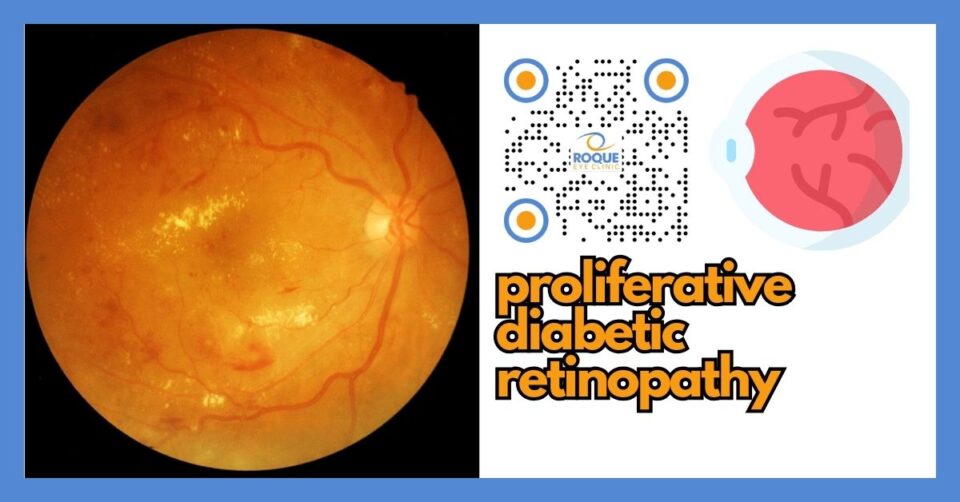
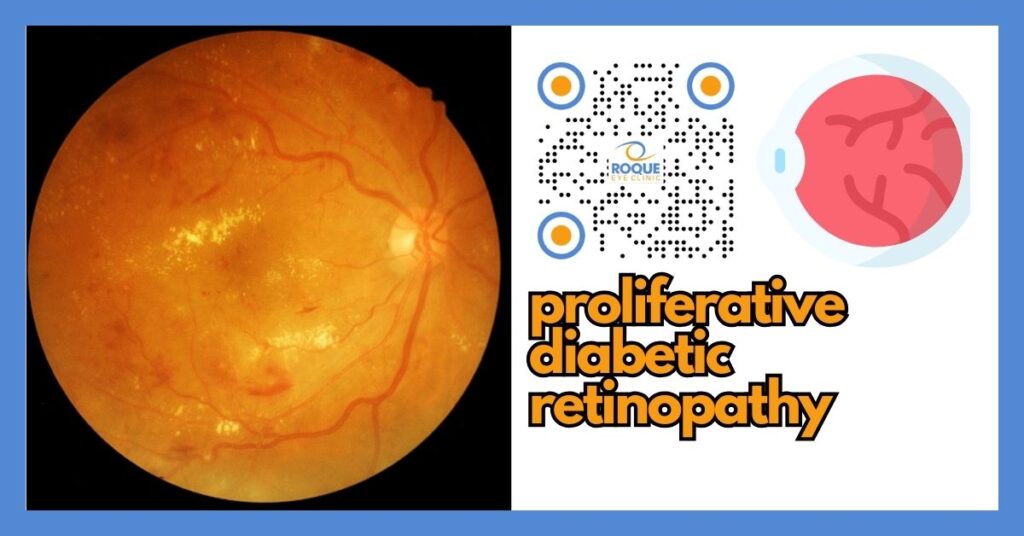
Proliferative diabetic retinopathy is an advanced stage of diabetic eye disease where abnormal new blood vessels grow on the retina because of poor oxygen supply.
Diabetic eye disease can damage vision silently. Learn the early signs—fluctuating blur, wavy lines, new floaters, night glare—plus urgent red flags and the safest next steps.
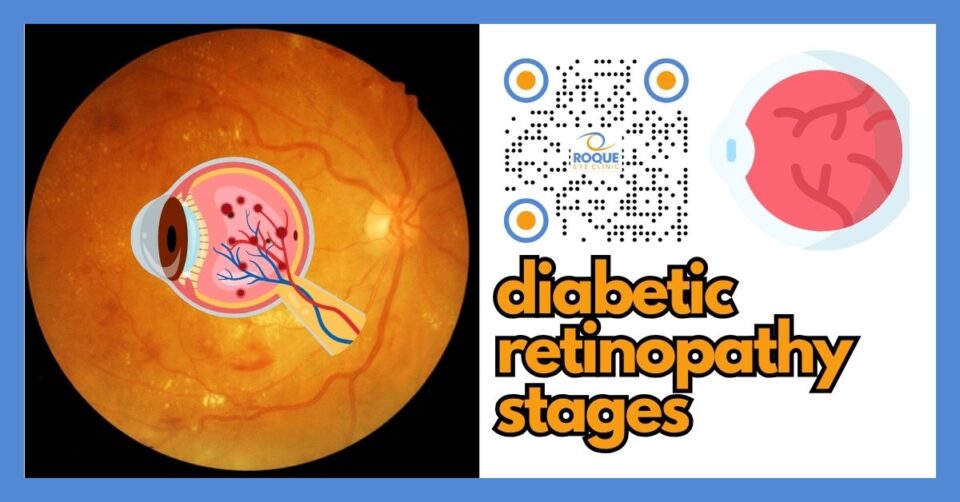
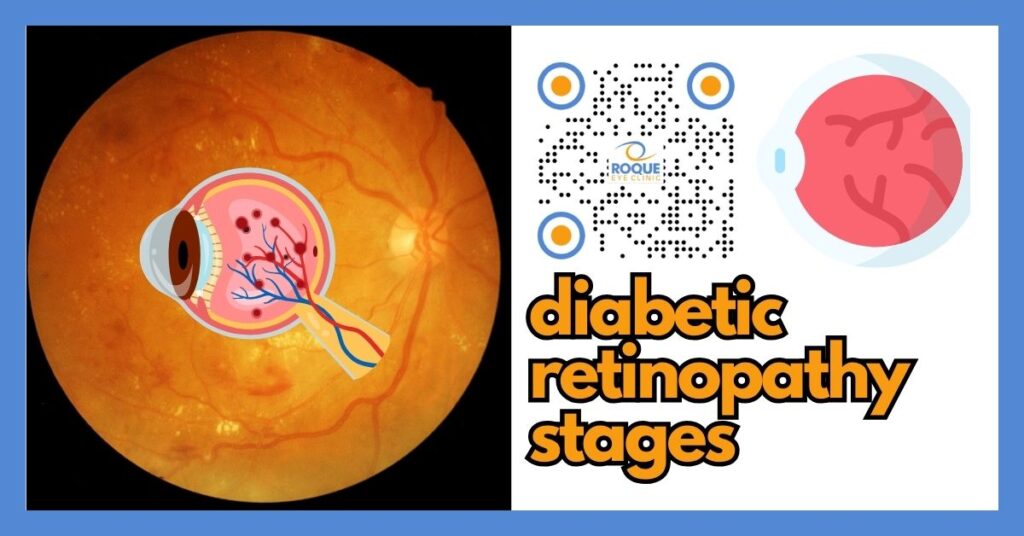
Diabetic retinopathy can progress silently. This guide explains mild, moderate, severe NPDR and proliferative diabetic retinopathy (PDR) in patient-friendly language—plus key tests, warning signs, and what happens next.
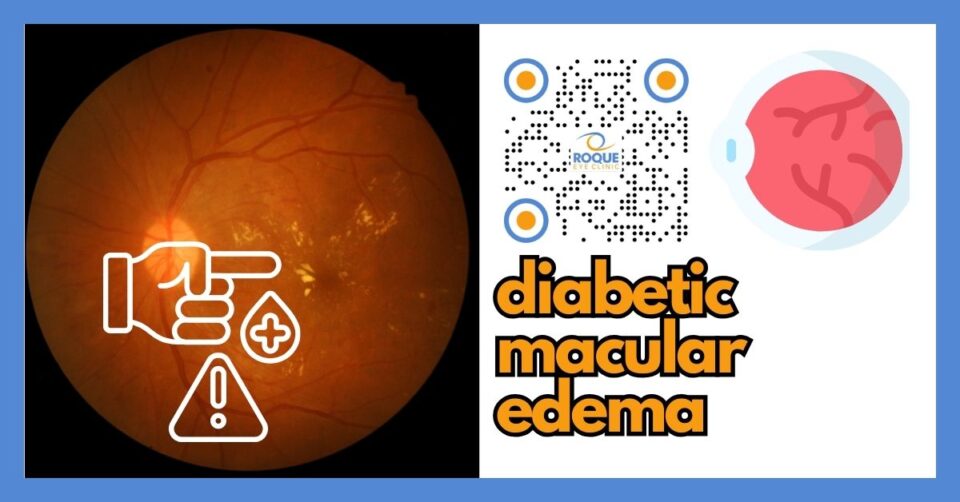
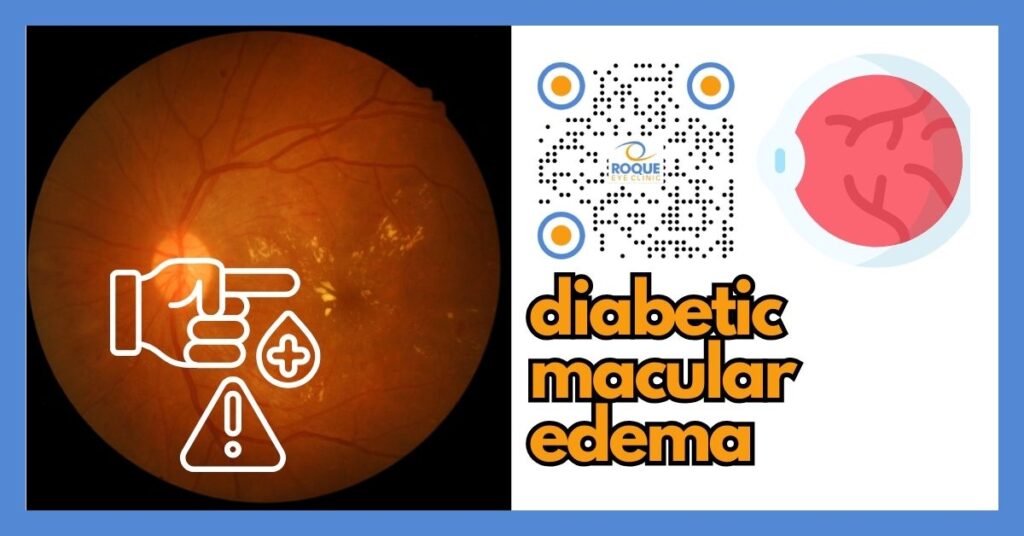
Diabetic macular edema is a major cause of blurred central vision in diabetes. Learn the symptoms, OCT findings, treatment options, and how to protect your sight.
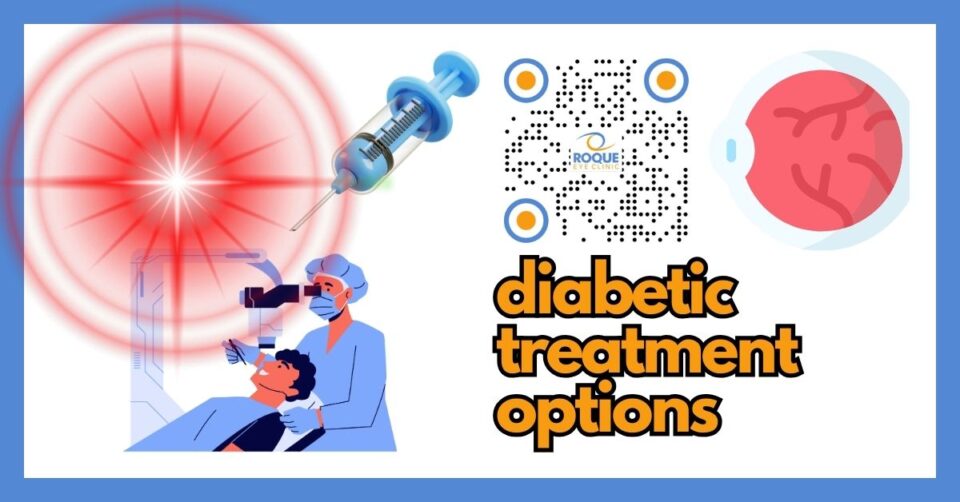
Confused about injections, laser, or surgery for diabetic eye disease? This Philippines-focused guide explains what each treatment does, who needs it, typical visit schedules, and urgent warning signs—so you can protect your vision with confidence.
A patient-friendly cost guide explaining what usually drives diabetic eye treatment expenses in the Philippines, from imaging and injections to laser and surgery.
This patient-friendly guide explains how often people with diabetes should get eye exams, when dilation is needed, and when retinal follow-up must be more frequent.
Cataract surgery is quick, but the dryness that often follows can linger. This 5‑minute read explains why it happens, how to treat it, and what you can do today to stay tear‑comfortable tomorrow.