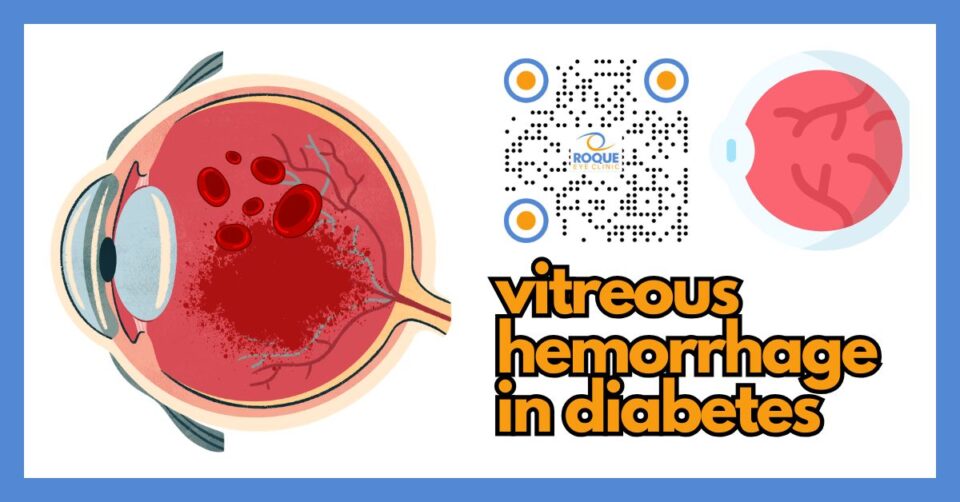
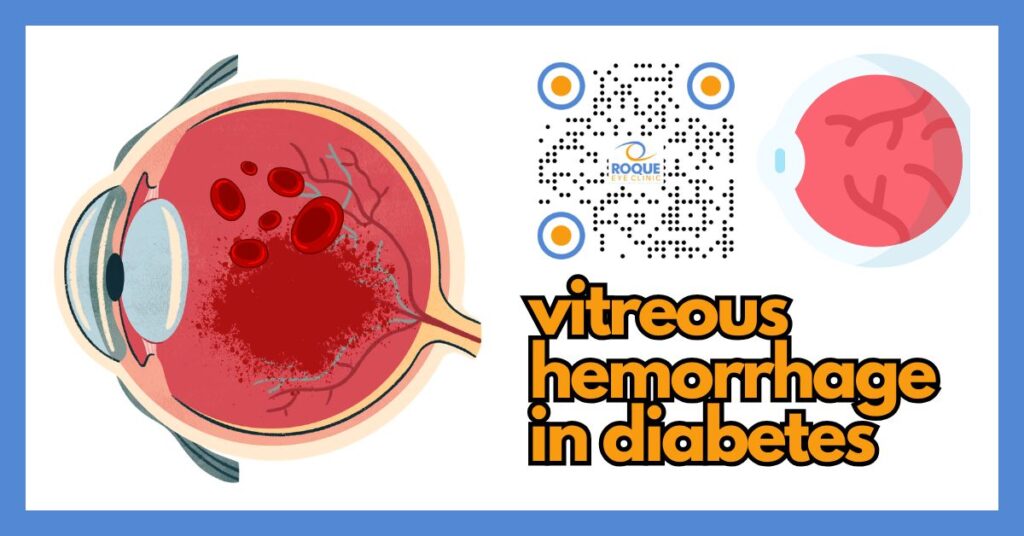
Vitreous hemorrhage in diabetes can cause sudden floaters, haze, or major vision loss. Learn why it happens, what tests are needed, and when vitrectomy surgery may be required.
A patient-friendly guide to vitrectomy recovery, including what is normal after surgery, when vision may improve, and which warning signs need urgent retinal follow-up.
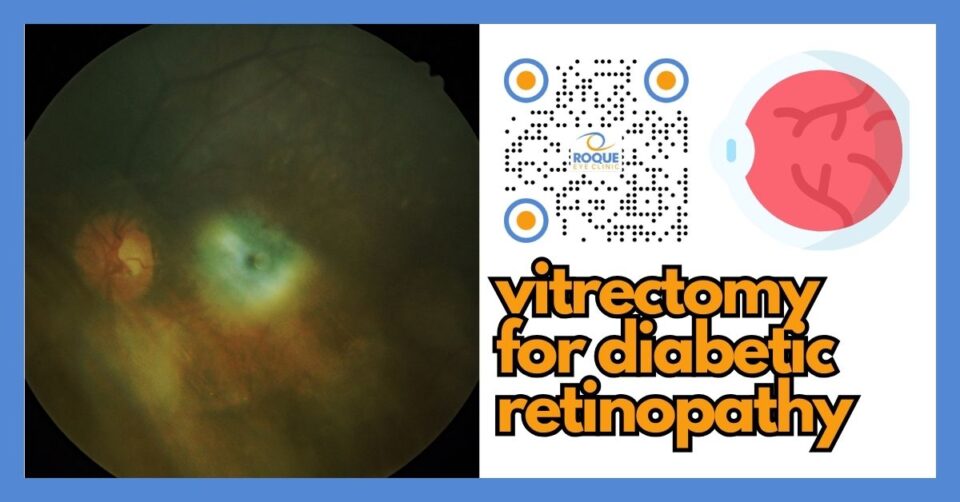
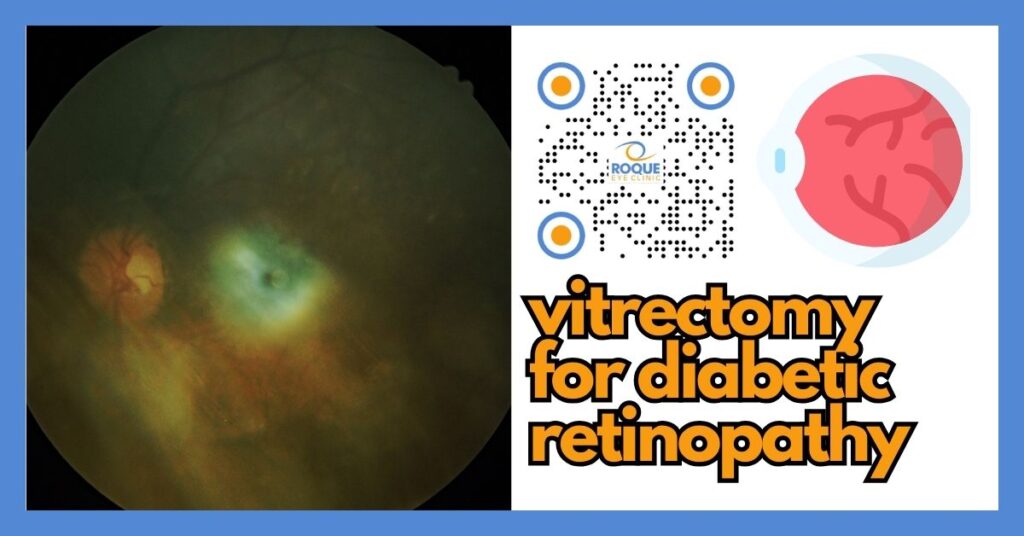
Vitrectomy for diabetic retinopathy is used when bleeding, scar tissue, or traction threatens vision. Learn when it is recommended, what surgery involves, and what recovery is usually like.
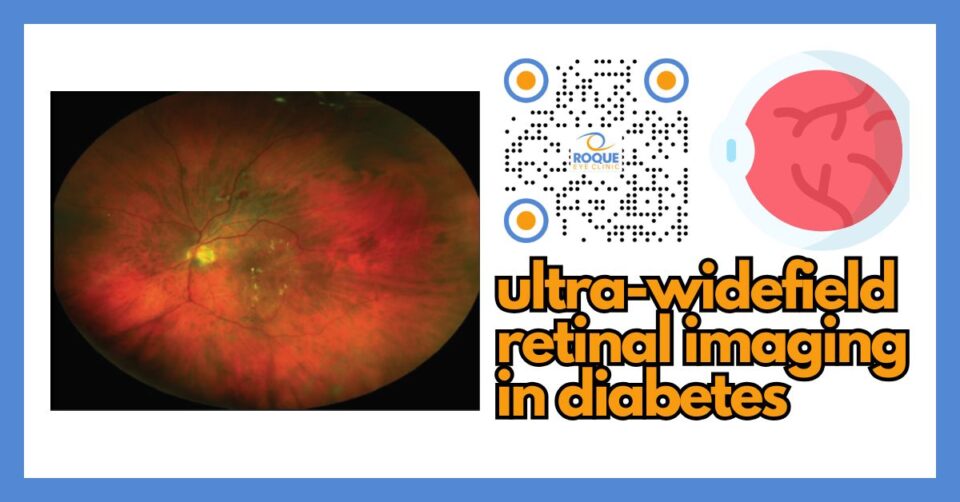
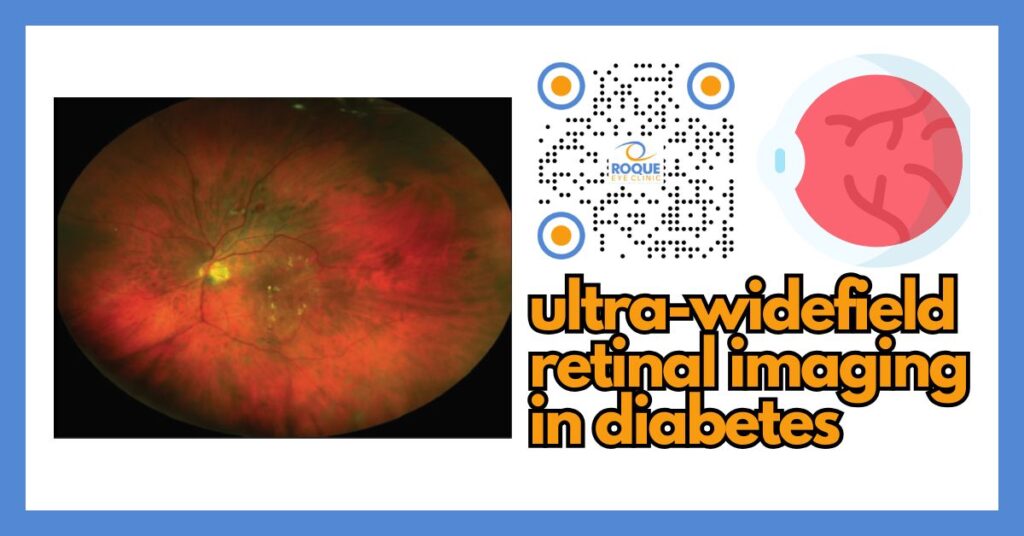
A patient-friendly guide explaining ultra-widefield retinal imaging in diabetes, what it shows, why it matters, and how it helps detect and monitor diabetic retinopathy.
Tractional retinal detachment in diabetes is a serious complication of proliferative diabetic retinopathy. Learn the symptoms, diagnosis, surgery, and recovery process.
Sulodexide is a possible adjunctive option in diabetic retinopathy, but it is not a standard first-line retinal treatment. Learn what the evidence means for patients.
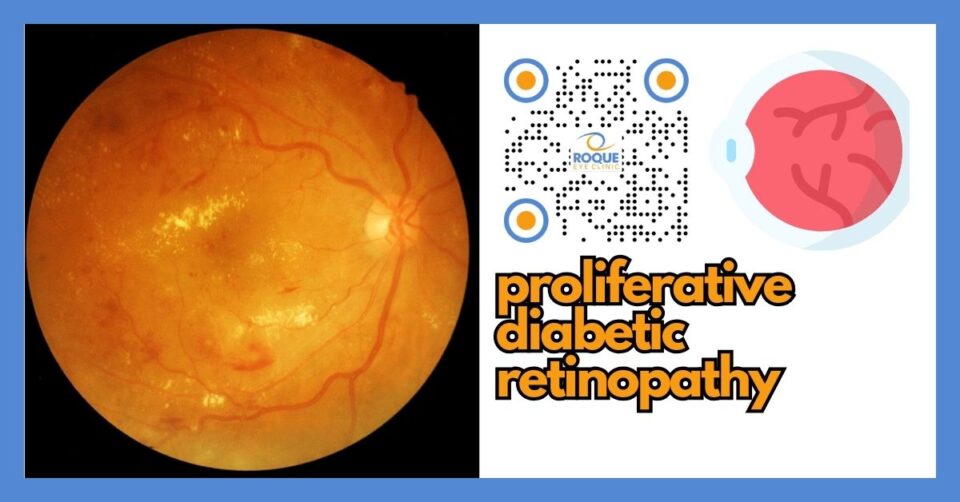
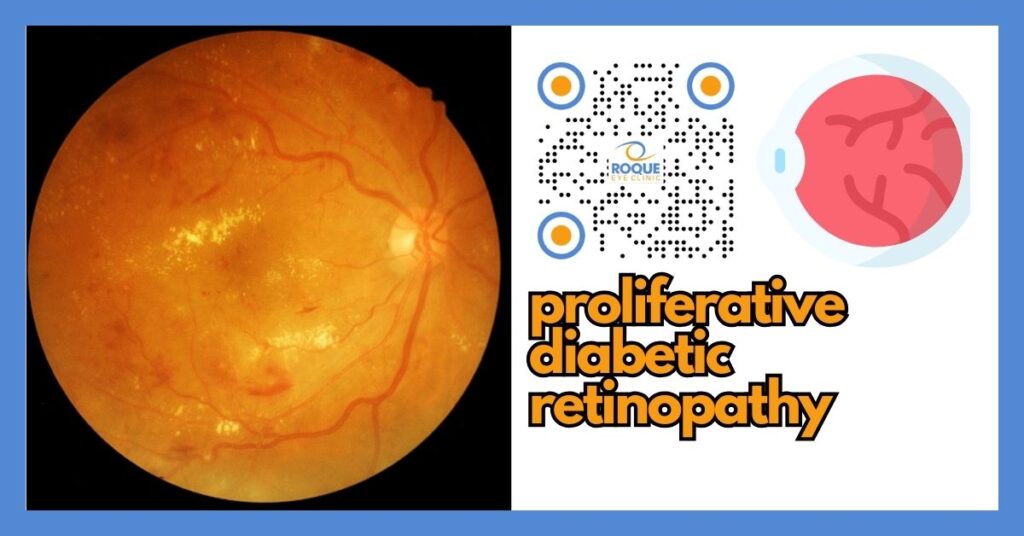
Proliferative diabetic retinopathy is an advanced stage of diabetic eye disease where abnormal new blood vessels grow on the retina because of poor oxygen supply.
Learn how pregnancy can affect diabetic retinopathy, when eye checks are needed, and what treatments may protect vision for women with preexisting diabetes.
OCT for diabetic macular edema is a painless retina scan that shows swelling, cysts, and fluid in the macula. It helps doctors diagnose DME, measure severity, and monitor treatment response.
OCT angiography is a non-invasive retinal scan that maps blood flow without dye. Learn what it shows in diabetic retinopathy, when doctors use it, and how it compares with OCT and fluorescein angiography.