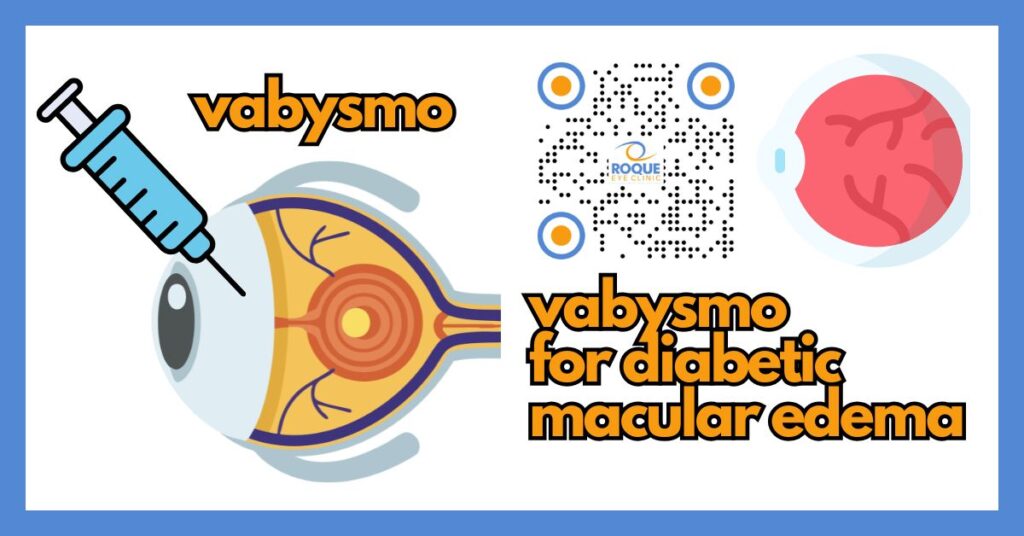
A patient-friendly guide explaining Vabysmo for diabetic macular edema, including how it works, what injection visits are like, and what benefits and risks patients should know.
OCT for diabetic macular edema is a painless retina scan that shows swelling, cysts, and fluid in the macula. It helps doctors diagnose DME, measure severity, and monitor treatment response.
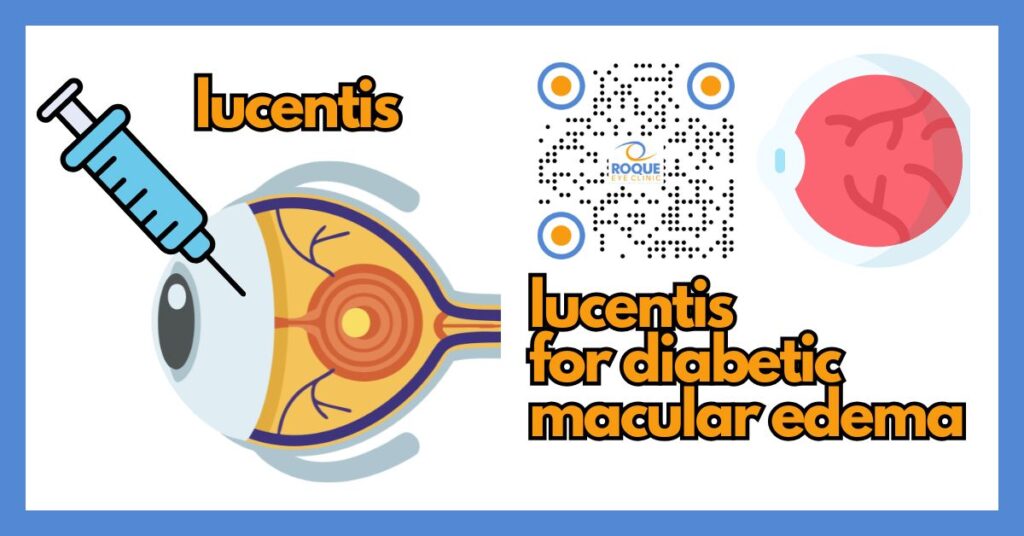
Lucentis is an anti-VEGF eye injection used to treat diabetic macular edema. Learn what it does, what to expect, and how it fits into long-term DME care.
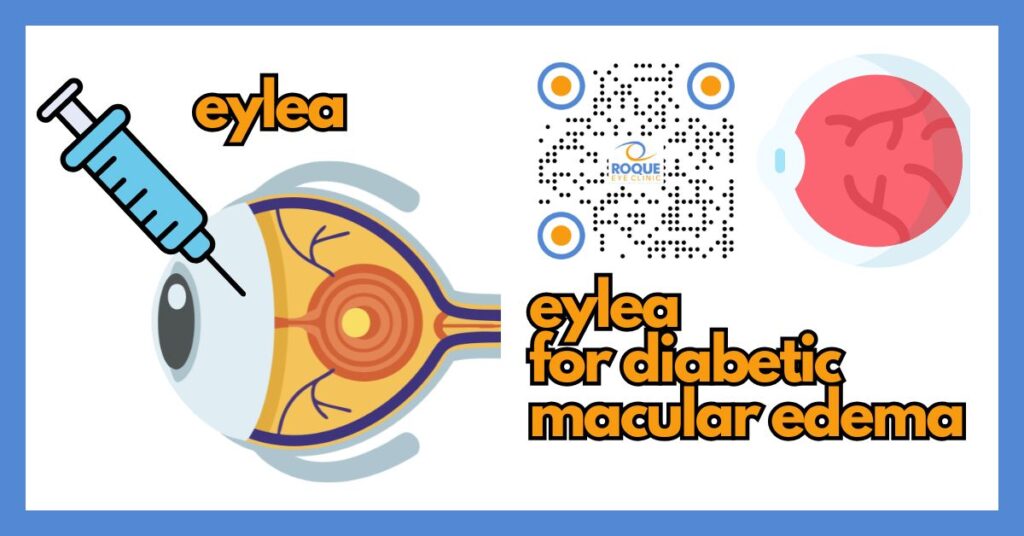
A patient-friendly guide explaining how Eylea treats diabetic macular edema, what the injections do, possible risks, and how the treatment schedule usually works.
Diabetic eye disease can damage vision silently. Learn the early signs—fluctuating blur, wavy lines, new floaters, night glare—plus urgent red flags and the safest next steps.
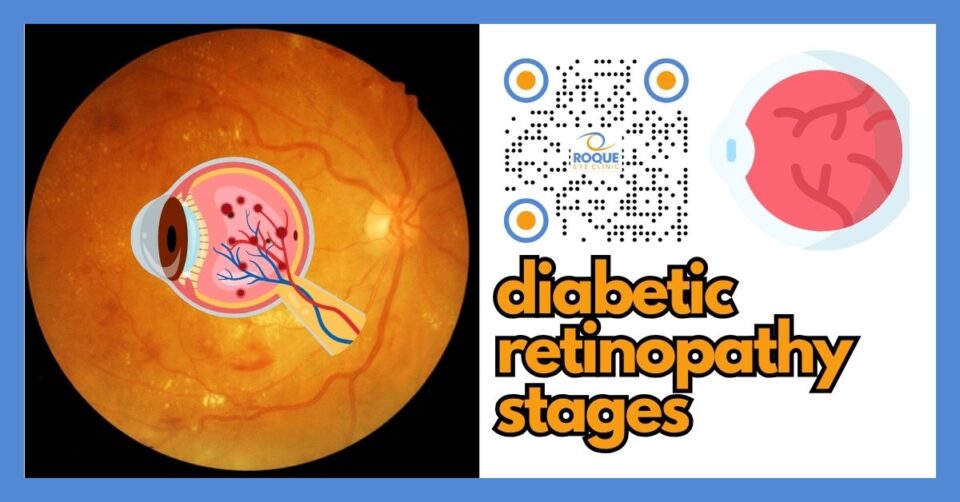
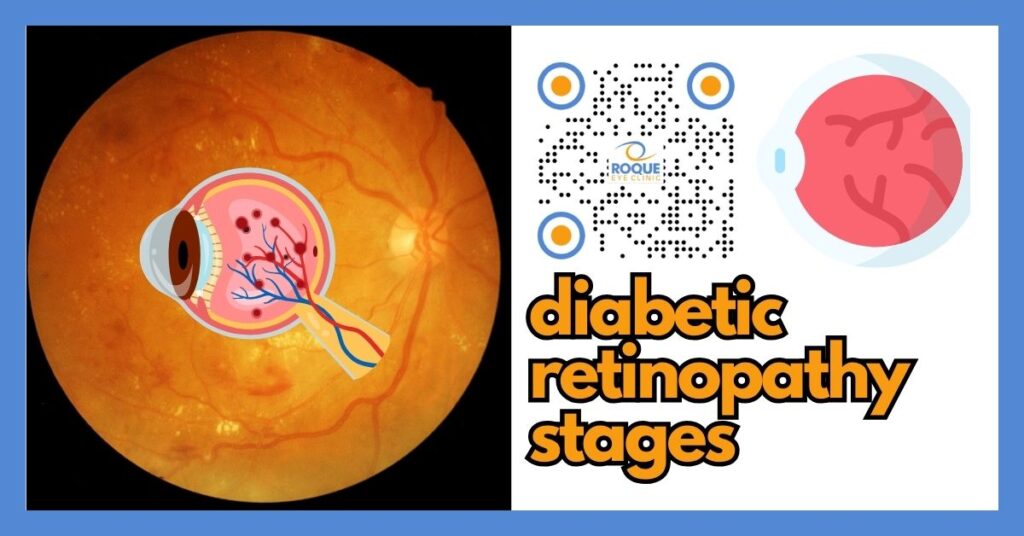
Diabetic retinopathy can progress silently. This guide explains mild, moderate, severe NPDR and proliferative diabetic retinopathy (PDR) in patient-friendly language—plus key tests, warning signs, and what happens next.
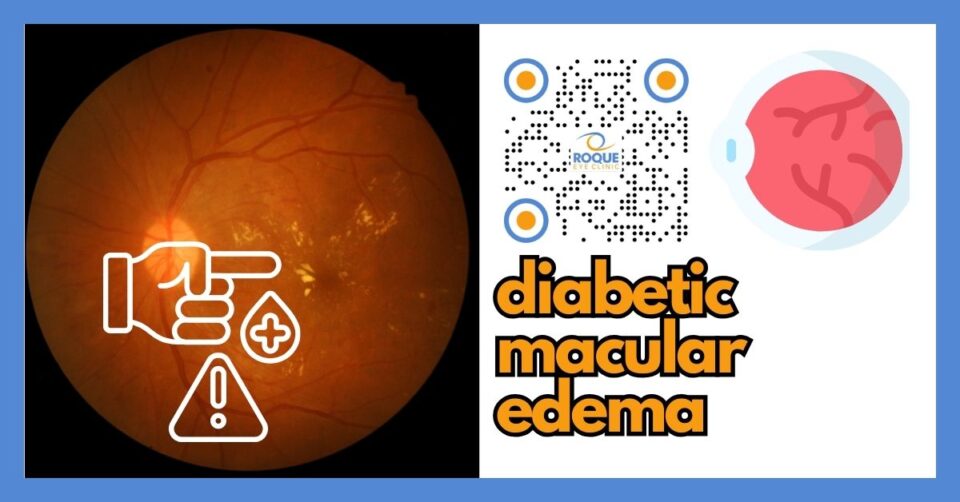
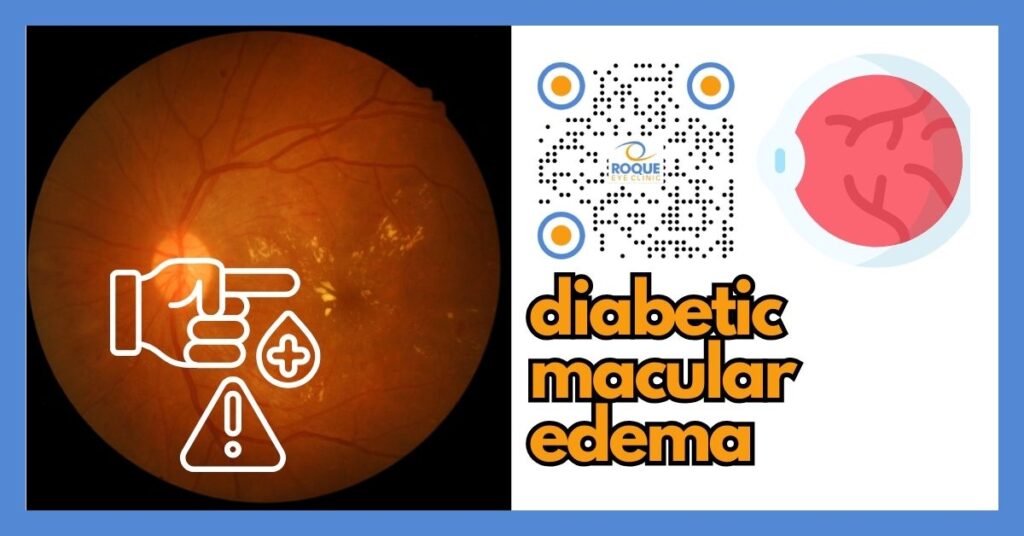
Diabetic macular edema is a major cause of blurred central vision in diabetes. Learn the symptoms, OCT findings, treatment options, and how to protect your sight.
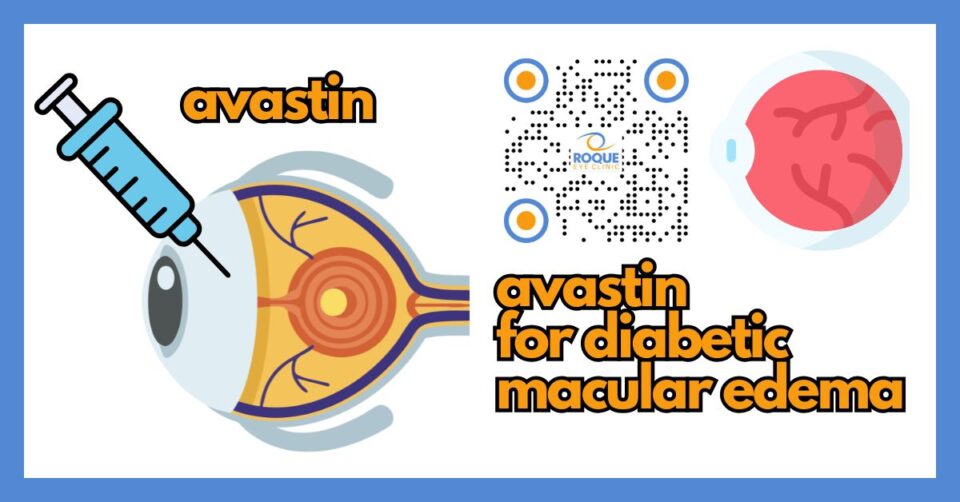
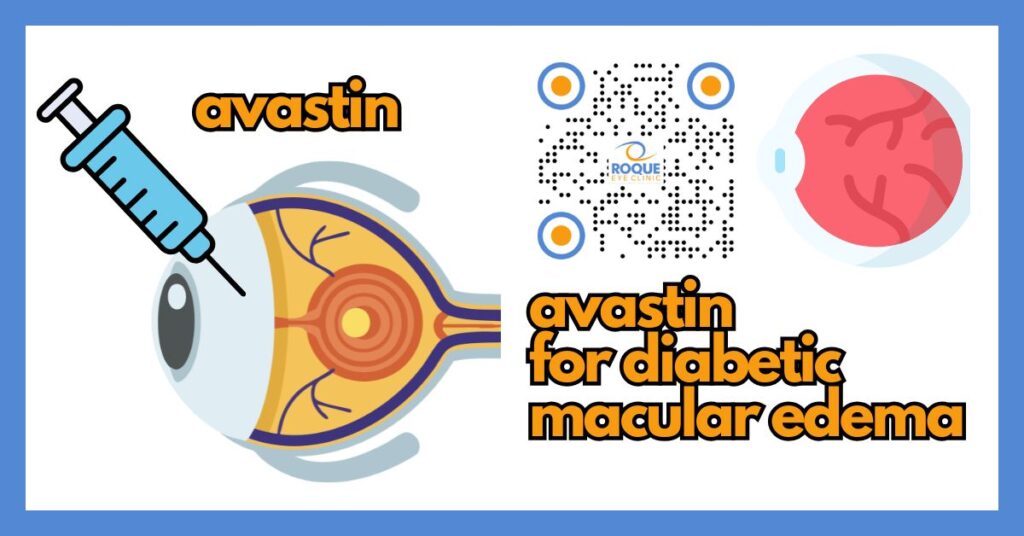
Avastin for diabetic macular edema is a commonly used anti-VEGF treatment that can reduce retinal swelling and protect central vision. Learn how bevacizumab works, why it is often chosen, and what patients should expect during ongoing care.
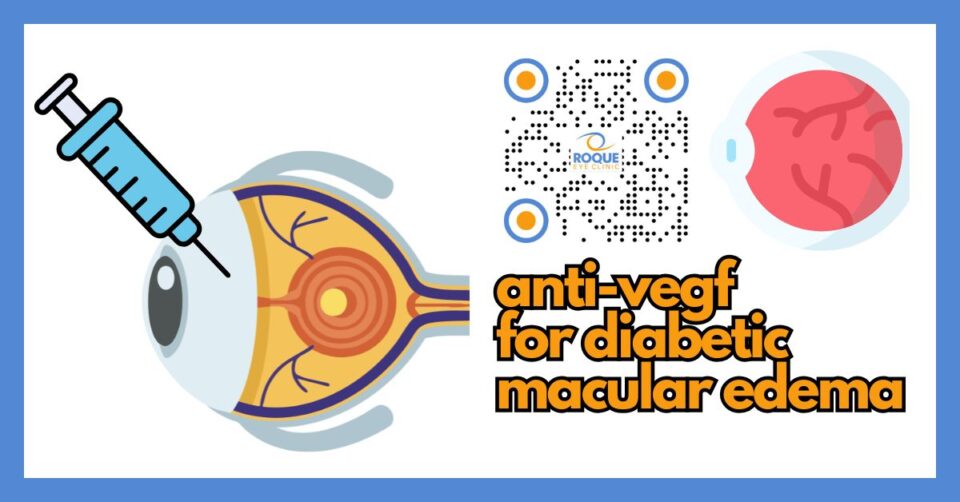
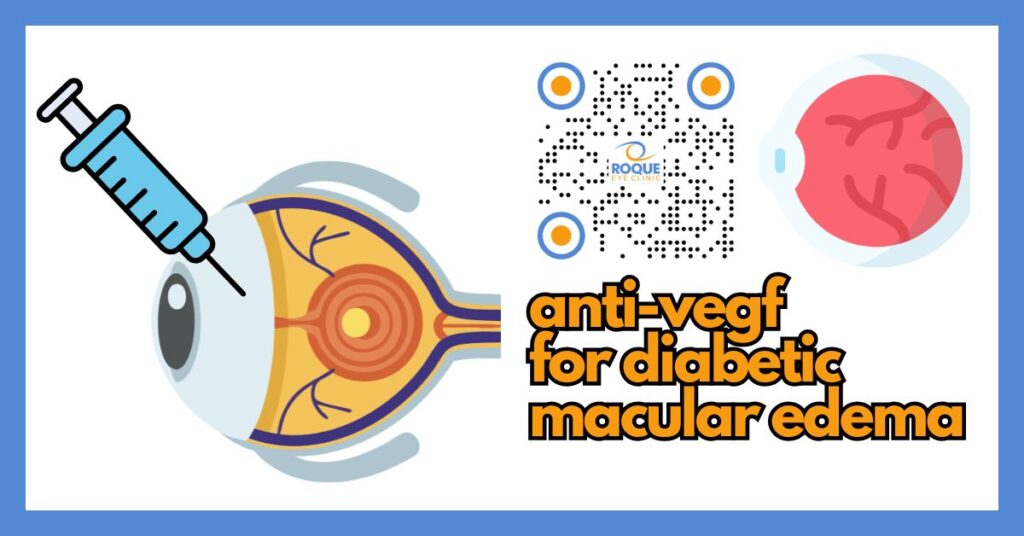
A patient-friendly guide to anti-VEGF treatment for diabetic macular edema, including how injections work, who may benefit, treatment schedules, risks, and follow-up expectations.
Add ROQUE Eye Clinic | Eye.com.ph to your Homescreen!