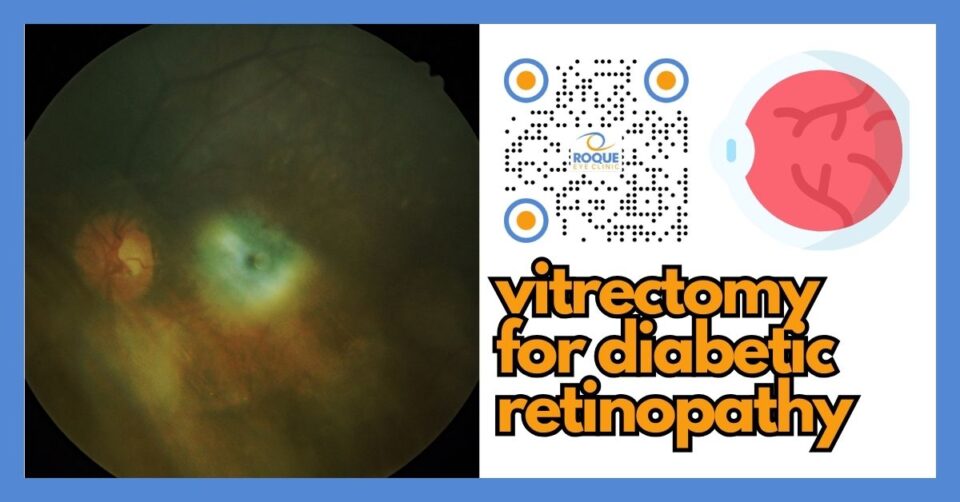
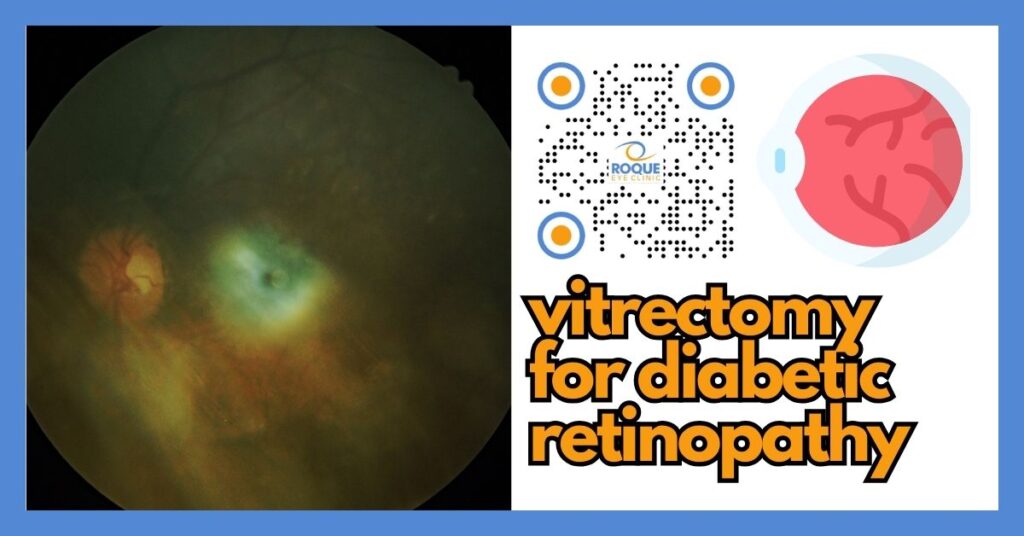
Vitrectomy for diabetic retinopathy is used when bleeding, scar tissue, or traction threatens vision. Learn when it is recommended, what surgery involves, and what recovery is usually like.
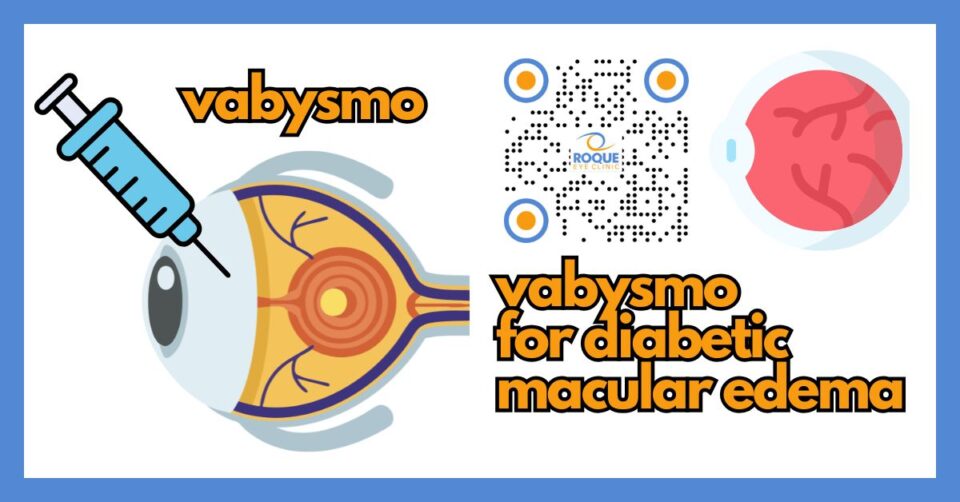
A patient-friendly guide explaining Vabysmo for diabetic macular edema, including how it works, what injection visits are like, and what benefits and risks patients should know.
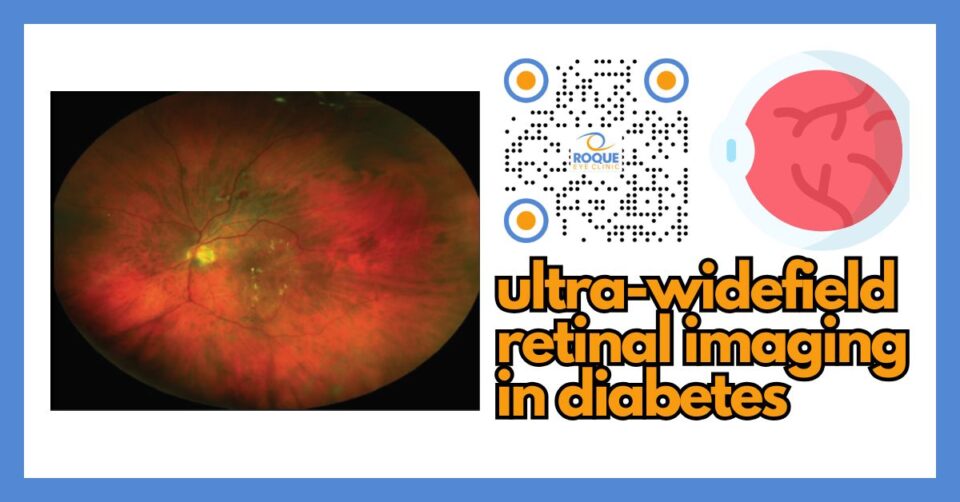
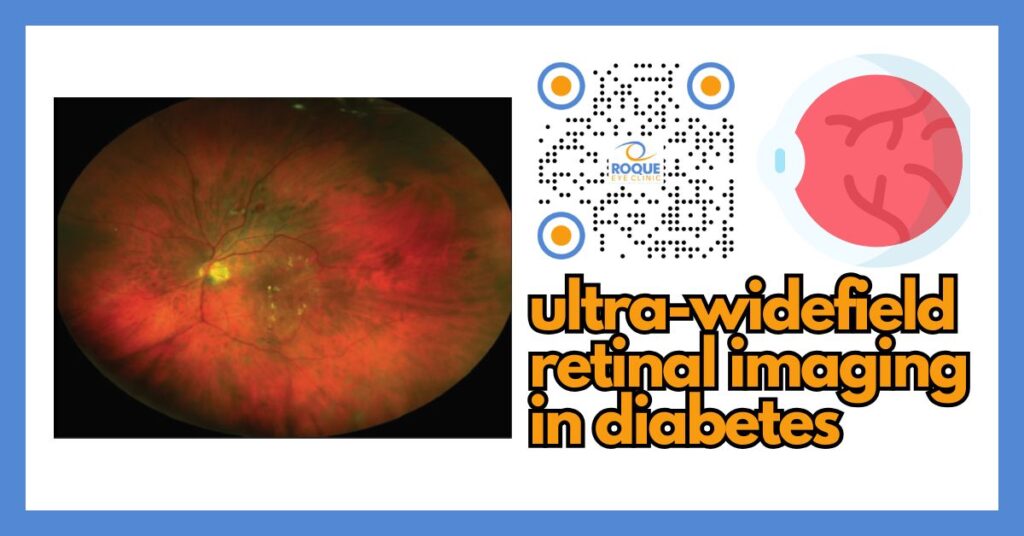
A patient-friendly guide explaining ultra-widefield retinal imaging in diabetes, what it shows, why it matters, and how it helps detect and monitor diabetic retinopathy.
Tractional retinal detachment in diabetes is a serious complication of proliferative diabetic retinopathy. Learn the symptoms, diagnosis, surgery, and recovery process.
Sulodexide is a possible adjunctive option in diabetic retinopathy, but it is not a standard first-line retinal treatment. Learn what the evidence means for patients.
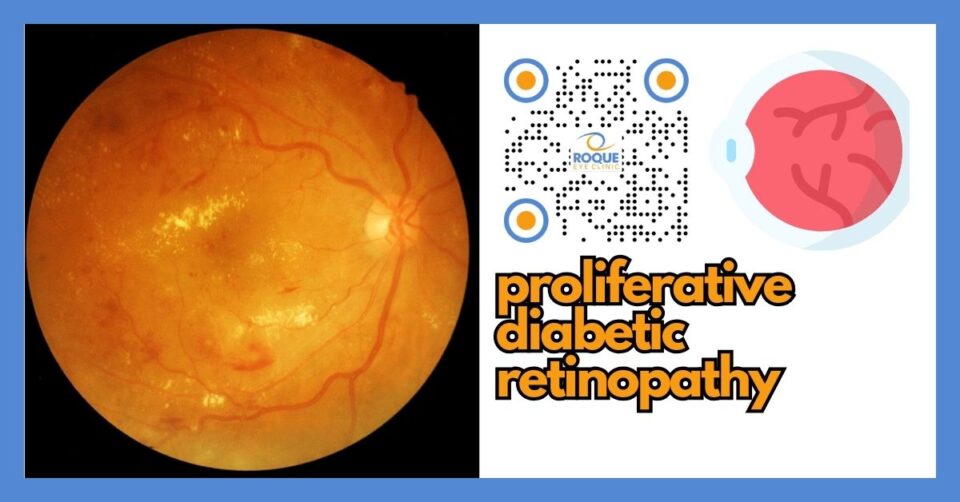
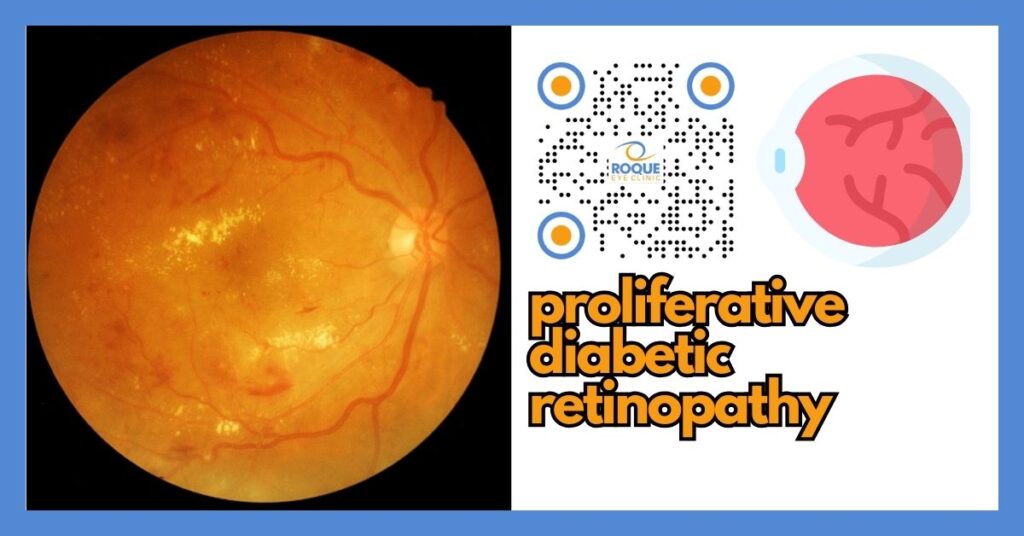
Proliferative diabetic retinopathy is an advanced stage of diabetic eye disease where abnormal new blood vessels grow on the retina because of poor oxygen supply.
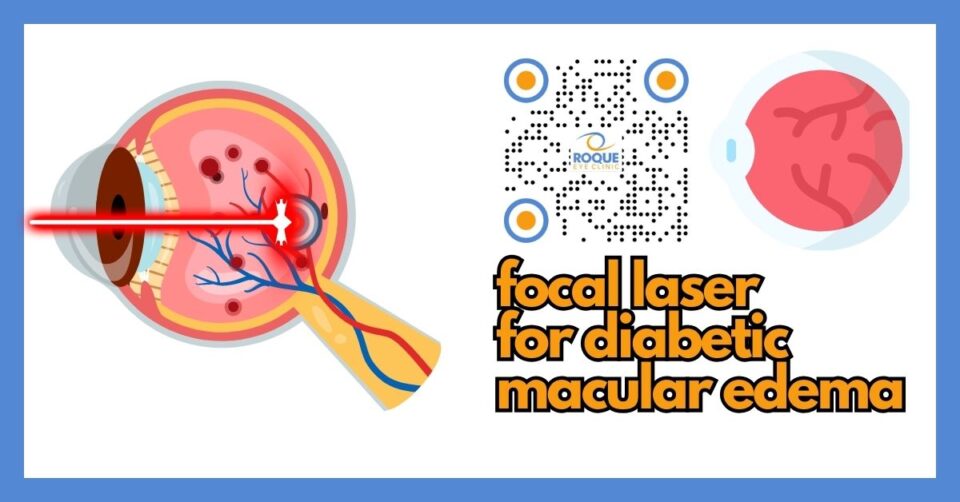
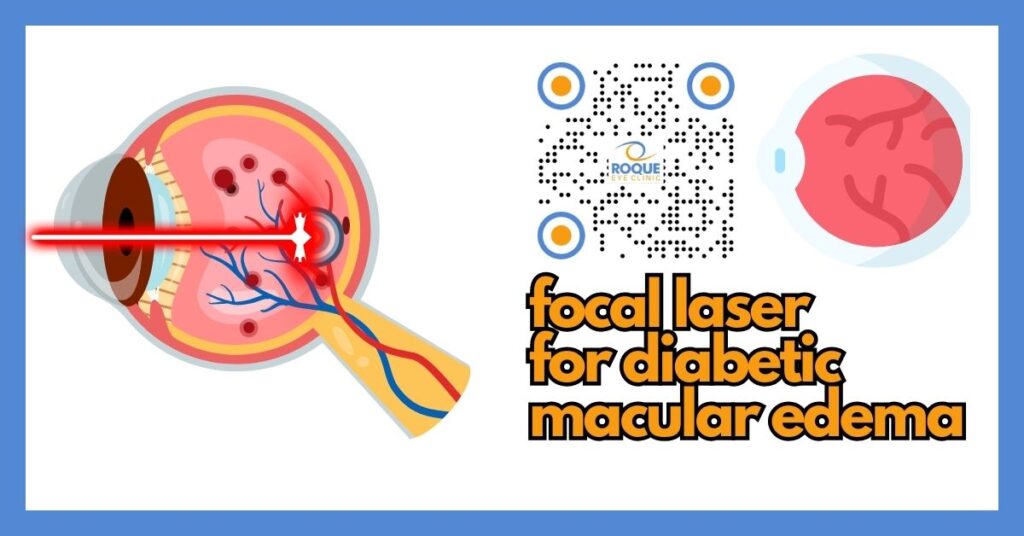
Focal laser for diabetic macular edema remains useful in selected patients, especially for focal leakage and some non-center-involving cases. Learn what the procedure does, what it feels like, and how it fits into modern retina care.
Fenofibrate is a cholesterol medicine that may help slow diabetic retinopathy progression in selected patients, but it does not replace retina exams or direct eye treatment.
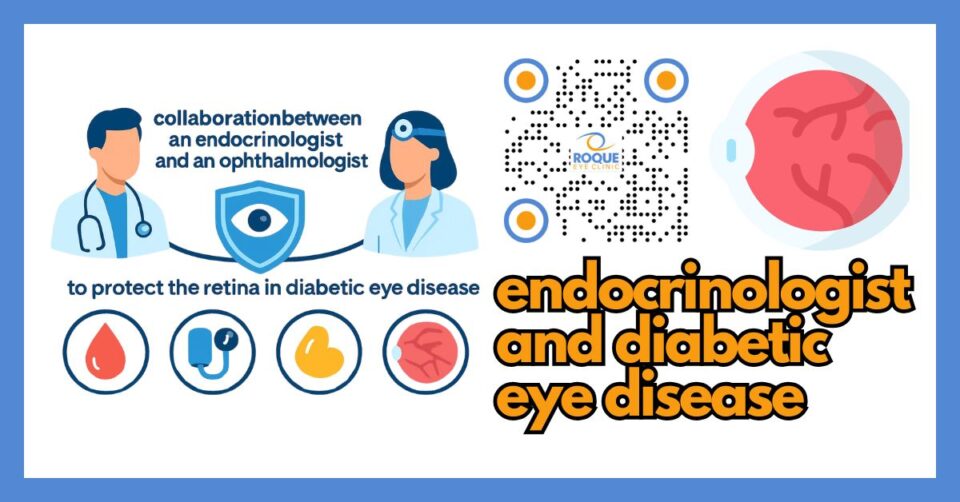
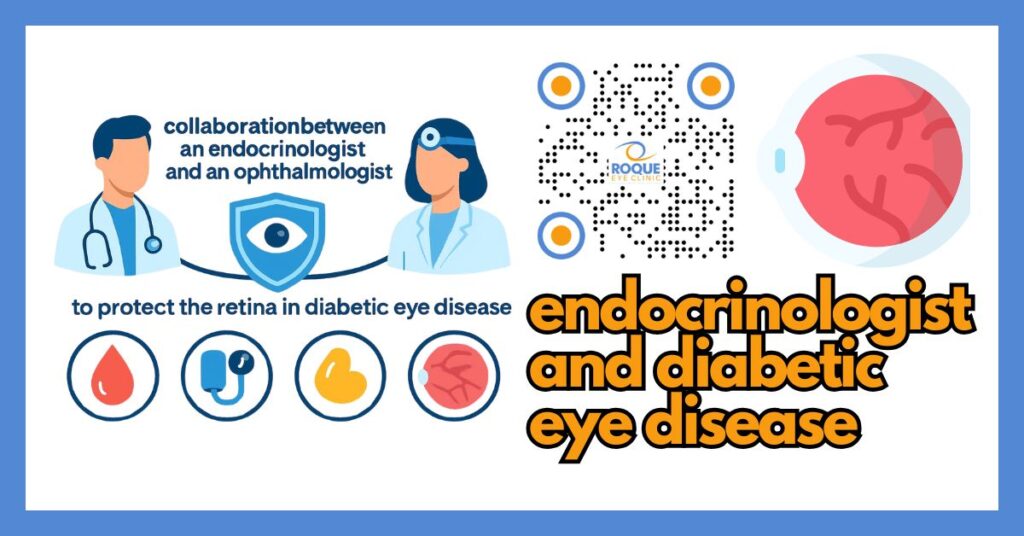
Diabetic eye disease is not only an eye problem. Learn how your endocrinologist helps protect vision by improving blood sugar, blood pressure, cholesterol, and overall diabetes care.
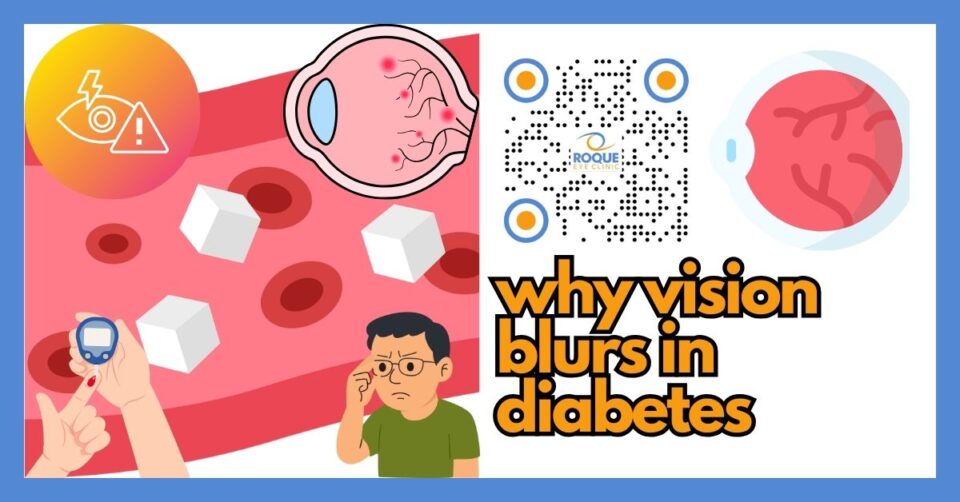
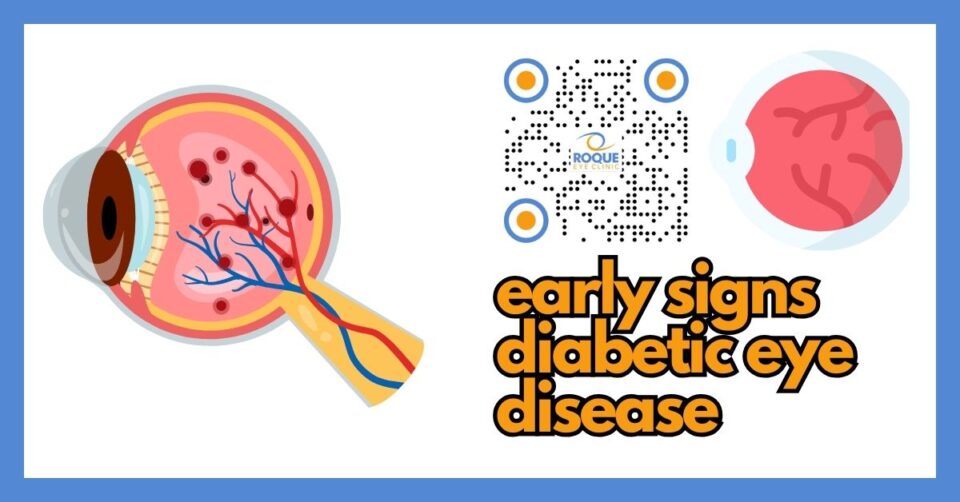
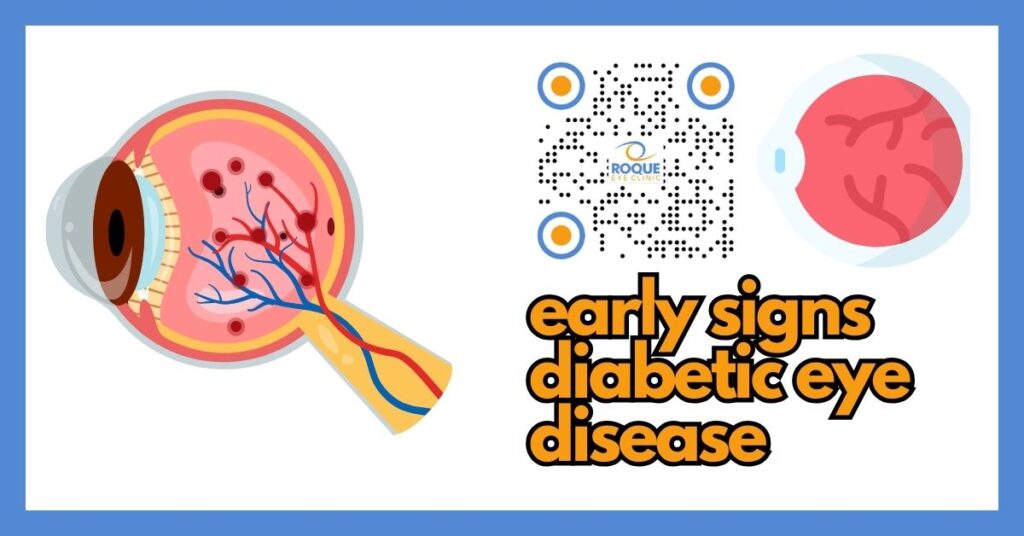
Diabetic eye disease can damage vision silently. Learn the early signs—fluctuating blur, wavy lines, new floaters, night glare—plus urgent red flags and the safest next steps.