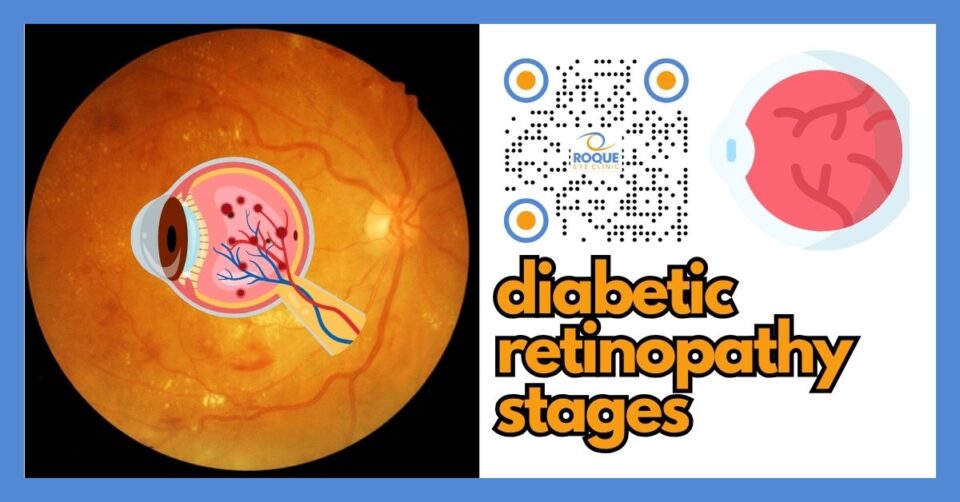
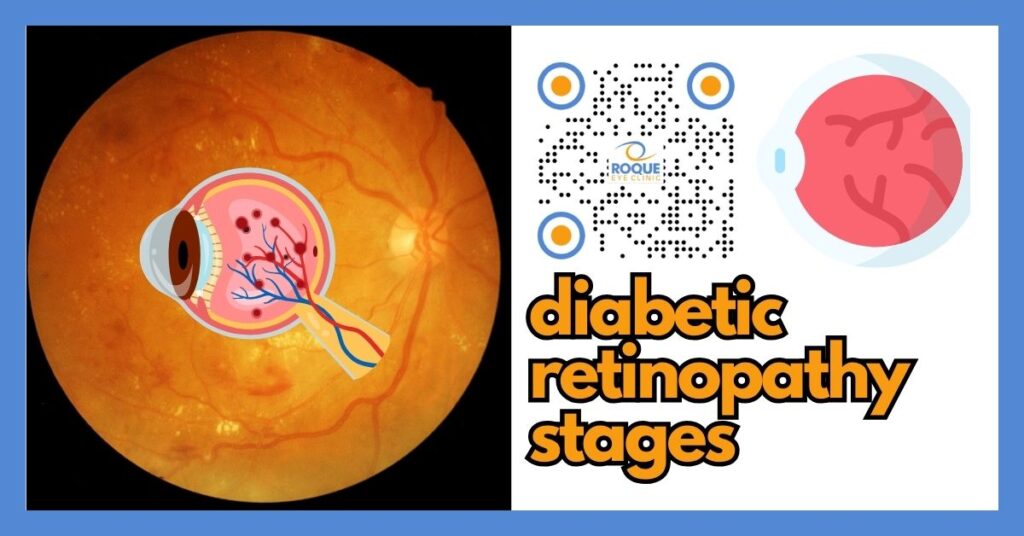
Diabetic retinopathy can progress silently. This guide explains mild, moderate, severe NPDR and proliferative diabetic retinopathy (PDR) in patient-friendly language—plus key tests, warning signs, and what happens next.
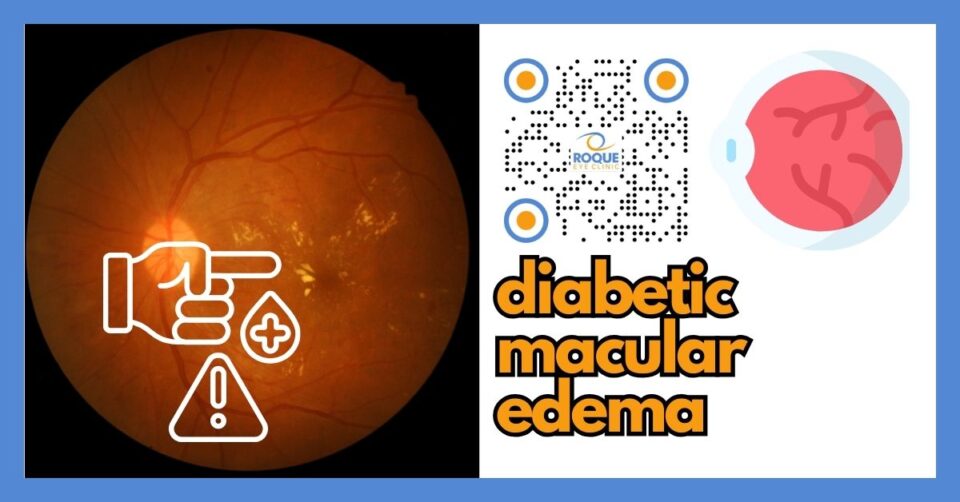
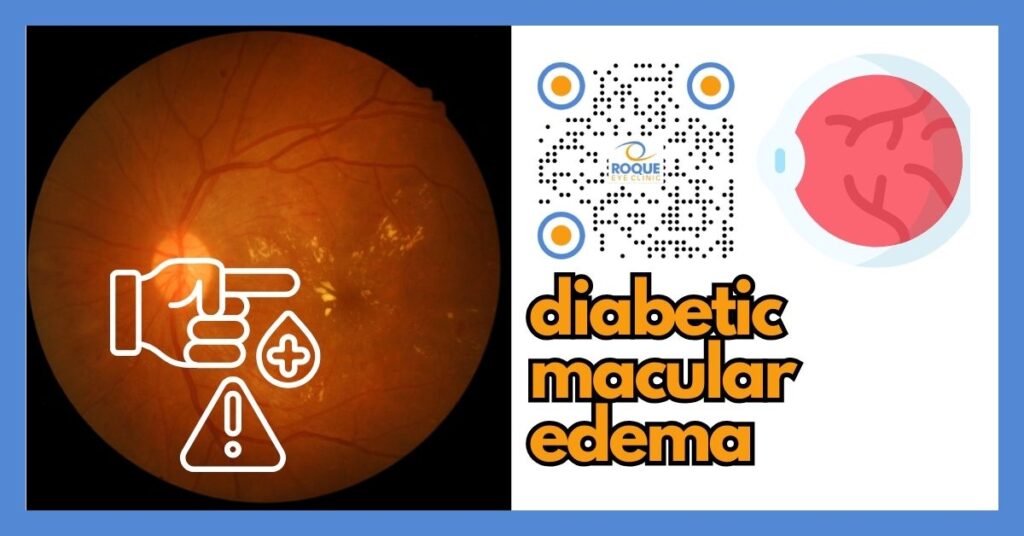
Diabetic macular edema is a major cause of blurred central vision in diabetes. Learn the symptoms, OCT findings, treatment options, and how to protect your sight.
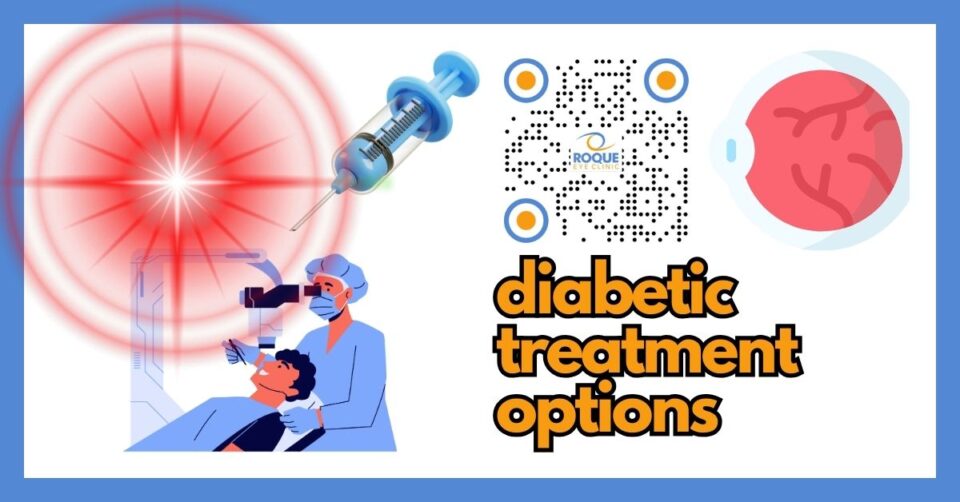
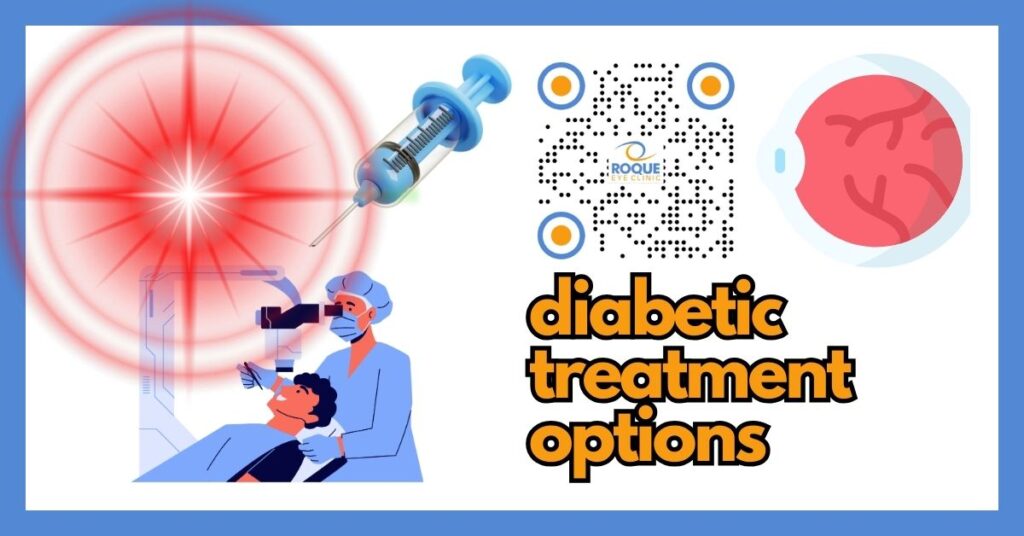
Confused about injections, laser, or surgery for diabetic eye disease? This Philippines-focused guide explains what each treatment does, who needs it, typical visit schedules, and urgent warning signs—so you can protect your vision with confidence.
A patient-friendly cost guide explaining what usually drives diabetic eye treatment expenses in the Philippines, from imaging and injections to laser and surgery.
This patient-friendly guide explains how often people with diabetes should get eye exams, when dilation is needed, and when retinal follow-up must be more frequent.
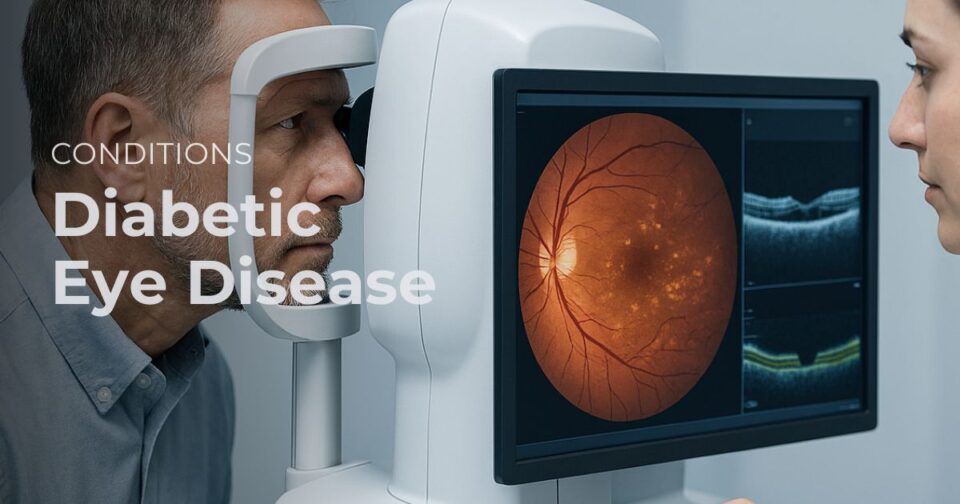
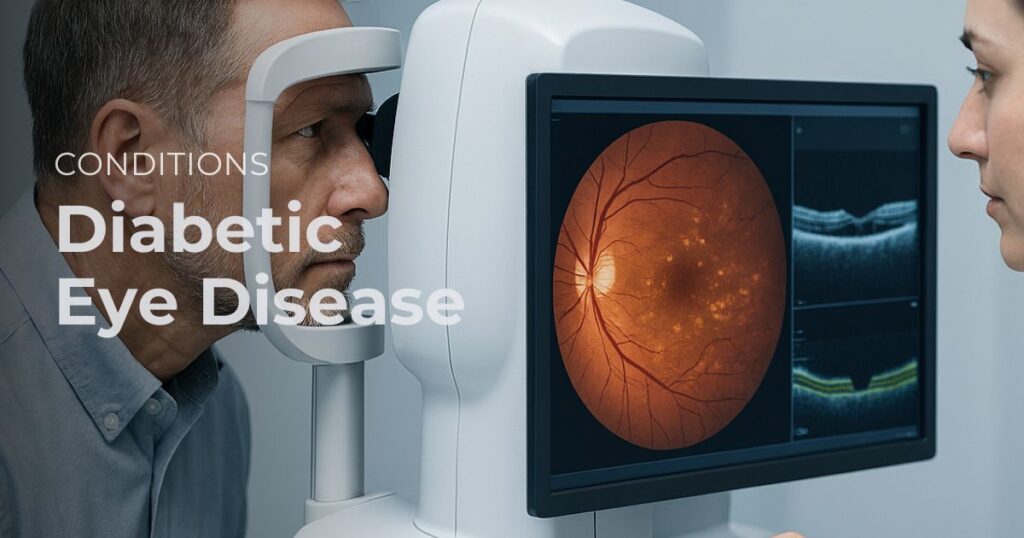
Diabetic eye disease can quietly threaten vision before symptoms begin. Learn the warning signs, screening timing, and treatment options that protect sight.
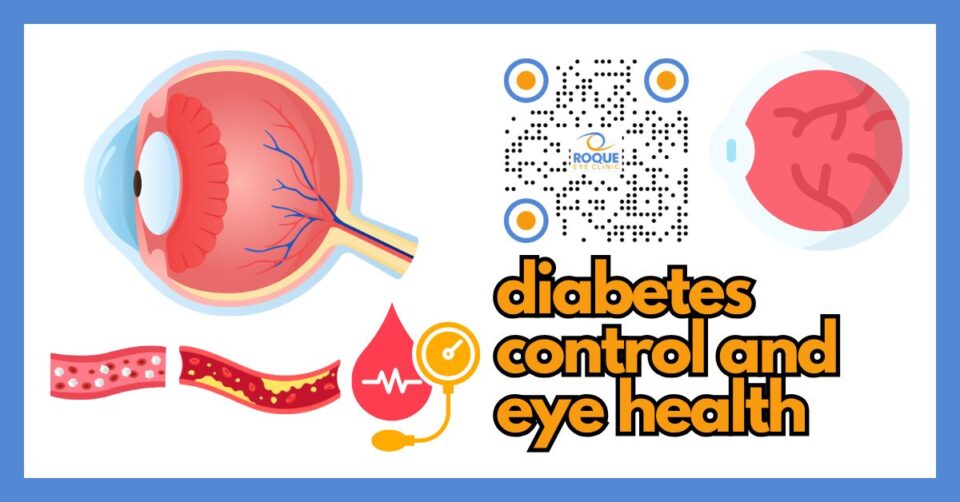
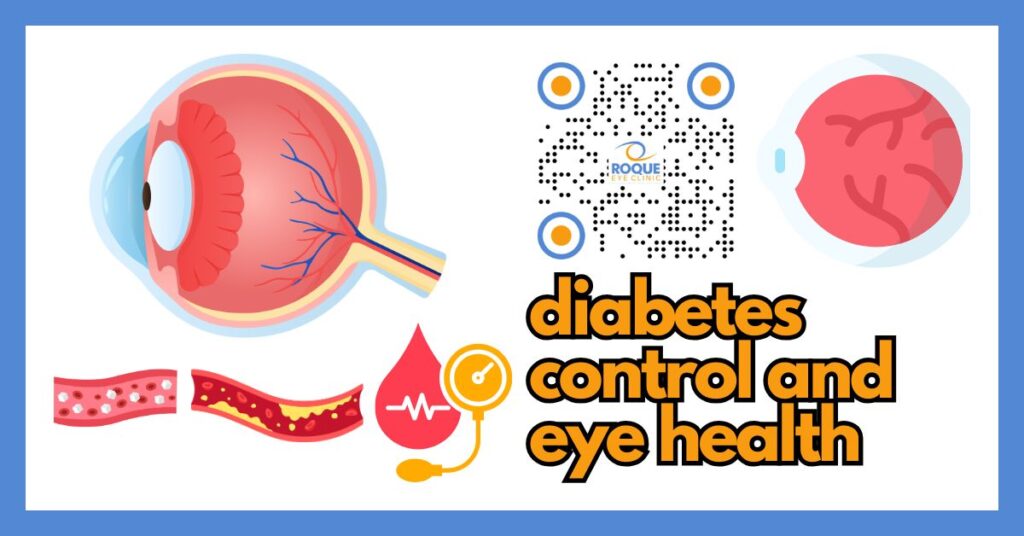
Good diabetes control helps protect the retina. Learn how blood sugar, blood pressure, and cholesterol affect diabetic eye disease and why regular eye exams still matter.
Diabetes can increase glaucoma risk, and severe diabetic retinopathy can lead to neovascular glaucoma. Learn the symptoms, warning signs, and treatments that protect vision.
Center-involving DME means diabetic swelling has reached the center of the macula. Learn what this means for your vision, how OCT confirms it, and what treatment options may help.
A patient-friendly guide to cataract surgery in diabetic retinopathy, including retinal preparation, OCT monitoring, postoperative swelling risk, and realistic expectations.