
When Patients Do Not Qualify for Refractive Surgery
🧠 Dr. Roque's Quick Answer
Some patients do not qualify for refractive surgery because the risk is too high or the expected benefit is too low. Common reasons include unstable prescription, keratoconus or thin cornea, uncontrolled dry eye, pregnancy, glaucoma concerns, retinal disease, active eye inflammation, or unrealistic expectations. Sometimes the answer is “not now.” Sometimes it is “not advisable at all.”
One of the most important parts of refractive surgery is knowing when not to proceed. A good surgeon does not say yes to every interested patient. Instead, the goal is to protect vision, reduce avoidable complications, and recommend the safest option for that specific eye.
For many patients, being told they do not qualify feels disappointing at first. But this is often a sign that the screening process is doing its job. In refractive surgery, a “no” can be a responsible, vision-protecting answer.
🧩 Focus: Reasons patients may not qualify for refractive surgery
👁 Goal: Explain common disqualifying and cautionary factors in patient-friendly language and help patients understand why safety comes first
🛡 Evidence-Based: Preferred Practice Patterns • Standards of Care • Systematic Reviews • Meta-Analyses
ROQUE REFRACTIVE SURGERY Knowledge Hub
Start with the complete guide:
🔬 Refractive Surgery Eligibility Anatomy Micro-Primer
- Cornea: The clear front window of the eye. Many laser procedures reshape it, so its thickness, smoothness, and stability matter greatly.
- Tear film: This thin tear layer keeps the eye surface smooth and comfortable. Poor tear quality can distort measurements and worsen healing.
- Lens: The natural lens inside the eye can develop early cataract or age-related changes, which may make corneal laser surgery a poor choice.
- Retina: The light-sensitive tissue lining the back of the eye. Retinal tears, holes, degeneration, or macular disease may change surgical plans.
📘 Refractive Surgery Eligibility Terminology Glossary
- Contraindication: A reason a procedure should not be done because risk may outweigh benefit.
- Relative contraindication: A cautionary factor that does not always ban surgery, but requires careful judgment.
- Refractive instability: A prescription that is still changing.
- Keratoconus: A weakening and bulging of the cornea that can make laser reshaping unsafe.
- Ectasia: Progressive corneal weakening and bulging that can occur if a vulnerable cornea is treated inappropriately.
- Candidacy: Whether a patient is a safe and suitable match for a given procedure.
Quick Navigation
Related Reading
Dr. Roque's Key Learning Points
- Not qualifying for refractive surgery is often a safety decision, not a rejection.
- Common disqualifying issues include unstable prescription, keratoconus, thin cornea, uncontrolled dry eye, active inflammation, retinal disease, and glaucoma concerns.
- Pregnancy, breastfeeding, fluctuating diabetes, and certain medications may temporarily affect eligibility.
- Some patients do not qualify for one procedure but may still qualify for another option such as ICL or lens-based surgery.
- The safest surgeon is willing to say not now or not advisable when risk is too high.
What “Not Qualified” Really Means
When a patient does not qualify for refractive surgery, it usually means one of three things:
- The eye is not safe for surgery right now.
- The expected result is too uncertain or too weak.
- Another procedure is safer and more logical.
This matters because refractive surgery is elective. It is done to reduce dependence on glasses or contact lenses, not to save a damaged eye in an emergency. Since the goal is better quality of life, the safety standard must stay high.
💡 Dr. Roque's Analogy
Refractive surgery is like remodeling a house you already live in. If the walls look weak or the foundation is unstable, a careful builder does not start drilling and cutting right away. They fix the structure first or advise a different plan.
Common Reasons Patients Do Not Qualify
1) Unstable prescription
If your glasses or contact lens prescription has changed recently, your refractive error may still be shifting. Surgery done too early can leave you undercorrected, overcorrected, or quickly dissatisfied. Younger patients, pregnancy, breastfeeding, hormonal fluctuation, diabetes, and certain medications can all contribute to refractive instability.
2) Too young for surgery
Patients who are still very young may not have stable refraction yet. Age alone does not tell the whole story, but it often raises caution because the eye may still be changing.
3) Keratoconus or suspicion of keratoconus
Keratoconus is one of the most important reasons to avoid routine corneal laser refractive surgery. If the cornea is weak, thinned, or irregular, removing more tissue can increase the risk of postoperative ectasia. Even subtle or early forms matter. Sometimes the surgeon is not seeing full keratoconus, but enough suspicious topography or tomography to say no to LASIK or PRK.
4) Thin cornea or structurally risky cornea
Some corneas are simply too thin, too irregular, or too biomechanically risky for safe laser reshaping. This does not always mean a patient can never have refractive surgery, but it often means a different option such as ICL may be safer than corneal laser treatment.
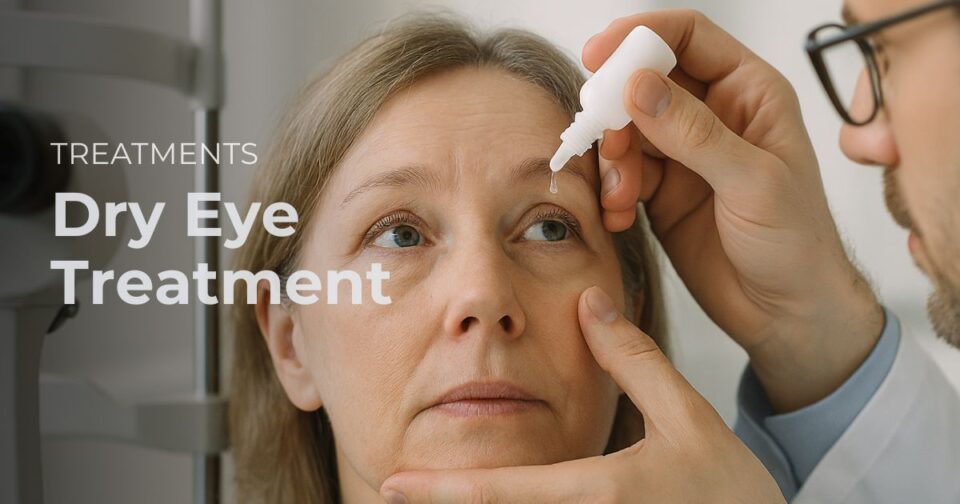
5) Uncontrolled dry eye, blepharitis, or poor ocular surface
Dry eye and lid disease can make preoperative measurements less reliable and postoperative recovery more uncomfortable. In some patients, untreated surface disease becomes a major reason to delay or avoid surgery. The answer may be to treat the surface first and recheck later rather than to proceed immediately.
6) Pregnancy or breastfeeding
Hormonal changes can affect refraction, corneal behavior, and dryness. For that reason, many surgeons postpone elective refractive surgery during pregnancy and breastfeeding. This is often a “not now” rather than a permanent disqualification.
7) Autoimmune disease, diabetes, or poor wound healing risk
Systemic diseases and some medications may affect healing quality, increase inflammation, or make outcomes less predictable. This does not always create an absolute ban, but it may shift the risk-benefit balance against elective surgery or require tighter medical control before reconsideration.
8) Glaucoma, glaucoma suspect status, or ocular hypertension
Some patients with glaucoma concerns may still undergo certain refractive procedures, but the decision becomes more individualized. Eye pressure behavior, optic nerve status, long-term monitoring, and the effect of corneal changes on future pressure interpretation all matter. In some cases, a surgeon may advise against surgery or against a specific type of surgery.
9) Active eye inflammation or infection
Uveitis, iritis, active conjunctivitis, keratitis, and similar problems can be reasons to defer surgery. The eye should be quiet and stable before elective refractive treatment is considered.
10) Prior eye injury or previous eye surgery
Scars, trauma, earlier surgery, or unusual anatomy can reduce predictability or increase risk. This does not always exclude all refractive options, but it usually means the eye needs a more careful, customized plan.
11) Cataract or age-related lens dysfunction
If early cataract or dysfunctional lens changes are already present, corneal laser surgery may not be the best answer. A lens-based procedure may make more sense because it addresses the true optical problem more directly.
12) Retinal tears, holes, degeneration, or macular disease
The front of the eye may look suitable while the back of the eye needs treatment first. Myopic patients especially may need retinal clearance or co-management before elective vision correction is considered.
13) Unrealistic expectations
Some patients expect “perfect vision forever” with no dryness, no glare, no chance of regression, and no need for reading glasses later in life. If expectations do not match reality, a responsible surgeon may advise against surgery until counseling improves understanding. Emotional readiness is part of candidacy too.
Not Now Versus Not Ever
This distinction is important.
Examples of “not now”
- Dry eye that has not yet been treated
- Pregnancy or breastfeeding
- Prescription still changing
- Contact-lens-related corneal warpage
- Need for additional testing before a final decision
Examples of “not advisable” or “not for this procedure”
- Established keratoconus for routine corneal laser surgery
- Very risky corneal thickness or shape
- Severe uncontrolled ocular surface disease
- Active inflammatory eye disease
- Vision goals that do not fit what surgery can realistically deliver
Sometimes the answer is even more specific: “Not LASIK, but maybe PRK.” Or “Not corneal laser, but maybe ICL.” The screening process is about matching the right eye to the right procedure—not forcing one popular procedure on everyone.
🚨 Dr. Roque's Emergency Warning
If your screening exam reveals sudden flashes, a shower of new floaters, a curtain over vision, severe pain, marked redness, or sudden loss of vision, do not focus on refractive surgery plans first. These symptoms can signal a retinal tear, infection, inflammation, or another urgent eye problem that needs immediate attention.
What Happens After a Patient Does Not Qualify?
The next step depends on the reason.
- Treat first: Dry eye, blepharitis, or inflammation may need treatment before re-evaluation.
- Wait first: Prescription instability, pregnancy, or healing concerns may simply require time.
- Test further: Borderline tomography, glaucoma suspicion, or retinal findings may need more workup.
- Change procedures: A patient may not qualify for LASIK but may qualify for PRK, SMILE, ICL, or lens replacement surgery.
- Avoid surgery: In some eyes, glasses or contact lenses remain the safest choice.
Safer Alternatives When Patients Do Not Qualify
Not qualifying for one procedure does not always end the conversation. Safer alternatives may include:
- Updated eyeglasses
- Soft or rigid contact lenses
- Ocular surface treatment and later repeat screening
- ICL for selected patients with unsuitable corneas for laser surgery
- Lens-based surgery if the lens is already becoming part of the problem
- Corneal cross-linking if ectasia risk or keratoconus is the main issue
Why This “No” Is Sometimes the Best Part of the Consultation
A screening visit that prevents the wrong surgery can be more valuable than a fast approval. The goal of refractive surgery is not to sell a procedure. It is to protect vision while helping the patient reach the best realistic visual outcome. That is why careful patient selection is one of the most important safety tools in modern refractive practice.
Continue Reading
🏁 Dr. Roque's Take-Home Message
When patients do not qualify for refractive surgery, the decision is usually about protecting long-term vision. Common reasons include unstable prescription, weak or irregular cornea, dry eye, pregnancy, glaucoma concerns, retinal disease, and unrealistic expectations. Sometimes eligibility can improve after treatment or time. Sometimes the safest answer is to choose a different procedure—or no surgery at all.
FAQ
1) Does not qualifying for LASIK mean I can never have refractive surgery?
No. Some patients do not qualify for LASIK but may still qualify for PRK, SMILE, ICL, or lens-based surgery depending on the reason.
2) Can dry eye make me fail screening?
Yes. Dry eye can make measurements unreliable and can worsen postoperative symptoms. Sometimes the answer is to treat the surface first and repeat testing later.
3) Why is keratoconus such an important disqualifying condition?
Because the cornea is already structurally weak. Removing more tissue with laser surgery can increase the risk of progressive bulging or ectasia.
4) Can pregnancy or breastfeeding temporarily affect eligibility?
Yes. Hormonal changes can affect refraction, corneal behavior, and dryness, so many surgeons postpone elective refractive surgery until things stabilize.
5) What if my surgeon says my cornea is too thin?
This usually means standard corneal laser surgery may be unsafe or less predictable. In some cases, another option such as ICL may be discussed instead.
6) Is being told “no” a bad sign about my eyes?
Not always. Sometimes it simply means the surgeon is being careful. In elective surgery, caution is often a sign of good judgment.
📚 References
- U.S. Food and Drug Administration. When is LASIK not for me?
- American Academy of Ophthalmology. Refractive Surgery Preferred Practice Pattern®. Updated 2024.
- Moshirfar M, et al. Laser In Situ Keratomileusis (LASIK). StatPearls. Updated 2023.
- Moshirfar M, et al. Small Incision Lenticule Extraction. StatPearls. Updated 2024.
- El-Naggar MT, Elkitkat RS, Ziada HE, Esporcatte LPG, Ambrósio R Jr. Assessment of Preoperative Risk Factors for Post-LASIK Ectasia Development. Clin Ophthalmol. 2023;17:3705-3715.
🤝 Roque Eye Clinic Patient Education Series
Dr. Manolette Roque | Dr. Barbara Roque
St. Luke's Medical Center Global City | Asian Hospital Medical Center
Philippines
Medical Review: Roque Advisory Council
Last Updated: March 2026
Medical Disclaimer
This article is intended for educational purposes only and does not replace professional medical consultation.