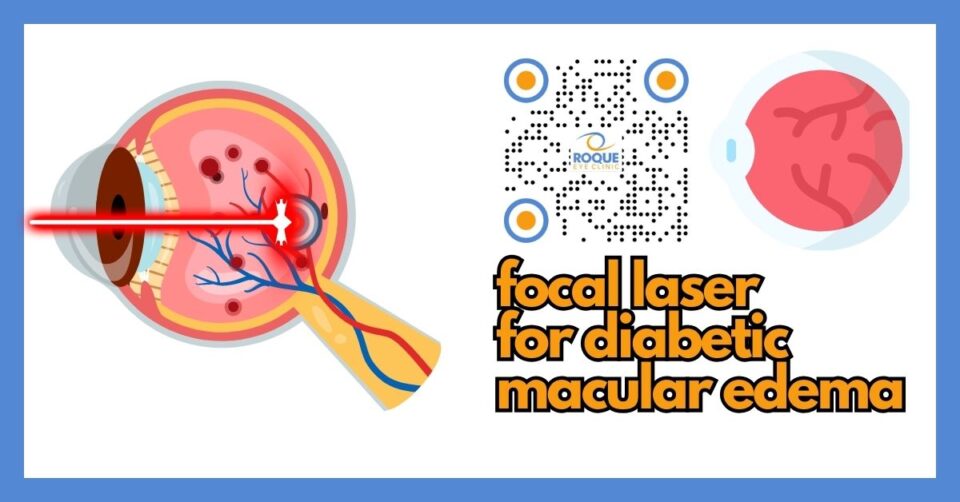
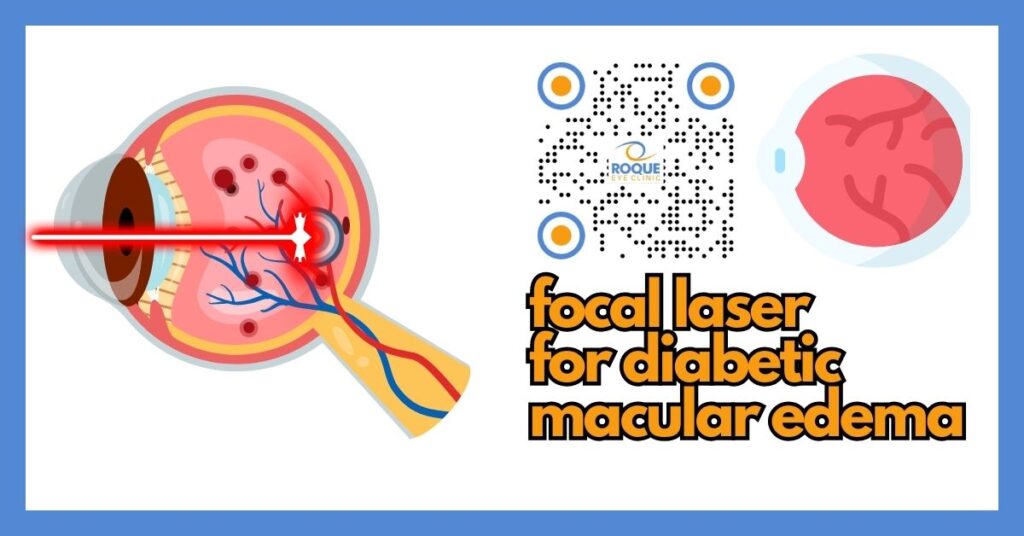
Focal laser for diabetic macular edema remains useful in selected patients, especially for focal leakage and some non-center-involving cases. Learn what the procedure does, what it feels like, and how it fits into modern retina care.
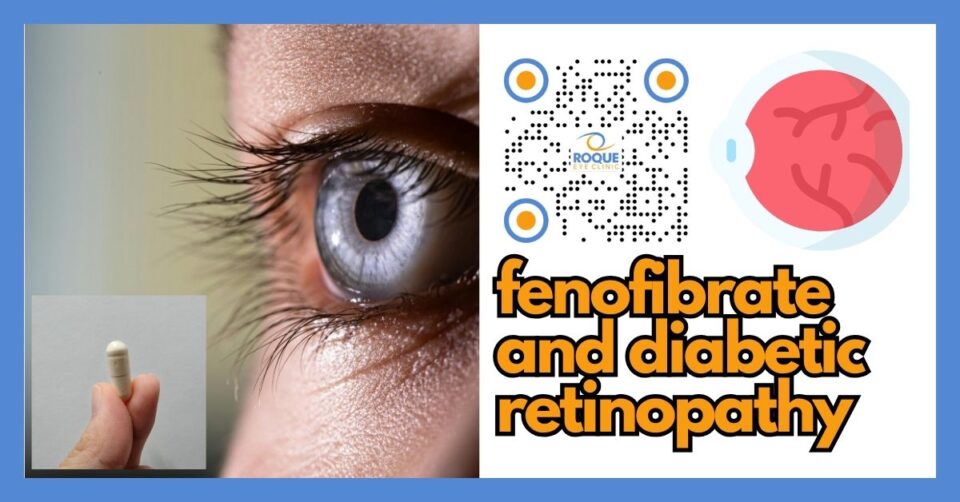
Fenofibrate is a cholesterol medicine that may help slow diabetic retinopathy progression in selected patients, but it does not replace retina exams or direct eye treatment.
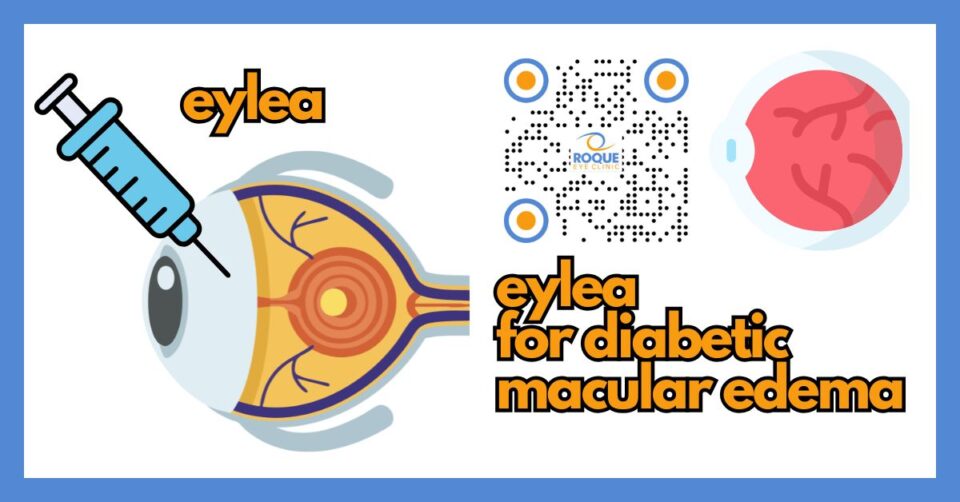
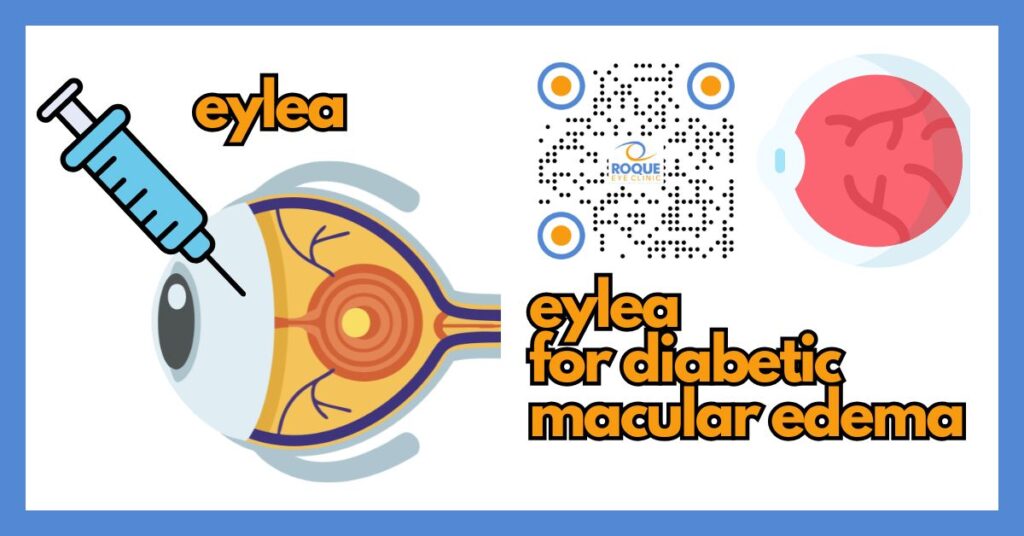
A patient-friendly guide explaining how Eylea treats diabetic macular edema, what the injections do, possible risks, and how the treatment schedule usually works.
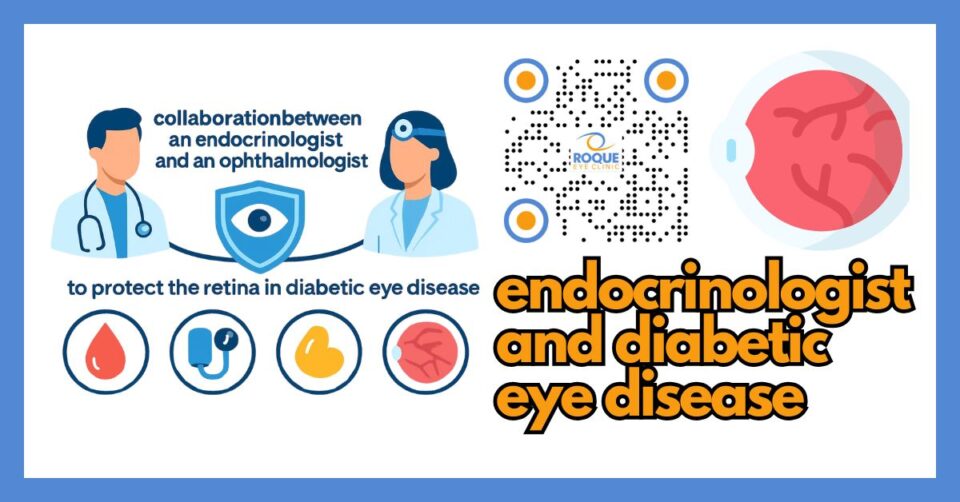
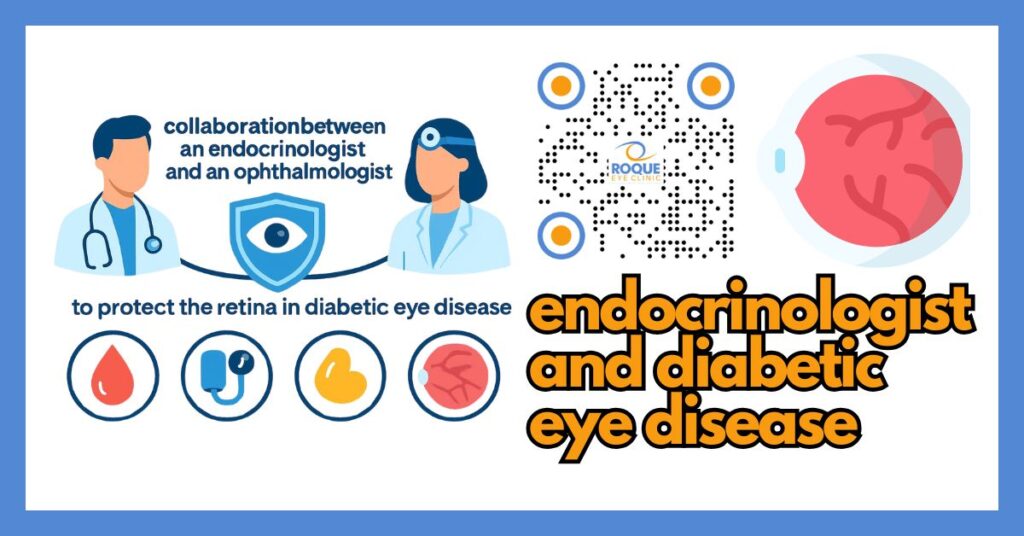
Diabetic eye disease is not only an eye problem. Learn how your endocrinologist helps protect vision by improving blood sugar, blood pressure, cholesterol, and overall diabetes care.
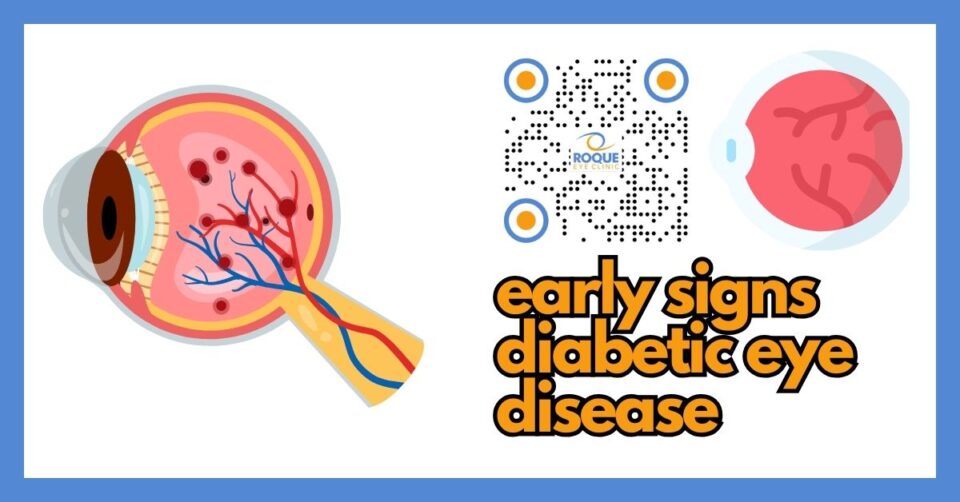
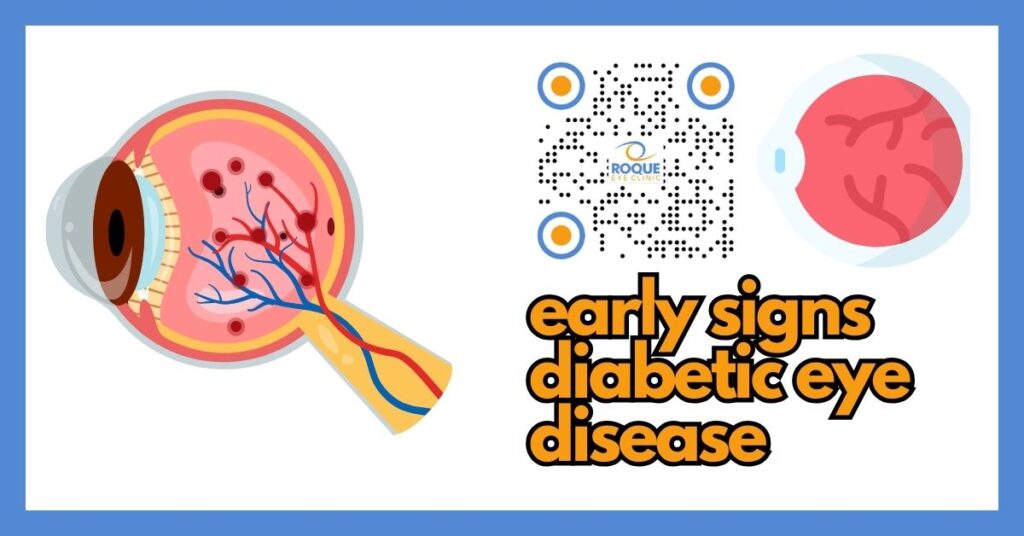
Diabetic eye disease can damage vision silently. Learn the early signs—fluctuating blur, wavy lines, new floaters, night glare—plus urgent red flags and the safest next steps.
A dilated eye exam and retinal imaging are not the same. Learn what each test detects, when diabetic patients need both, and how to choose the safest eye evaluation.
Dialysis and diabetic retinopathy often occur together because both result from severe diabetes-related blood vessel damage. Learn why eye screening and retinal treatment still matter after dialysis starts.
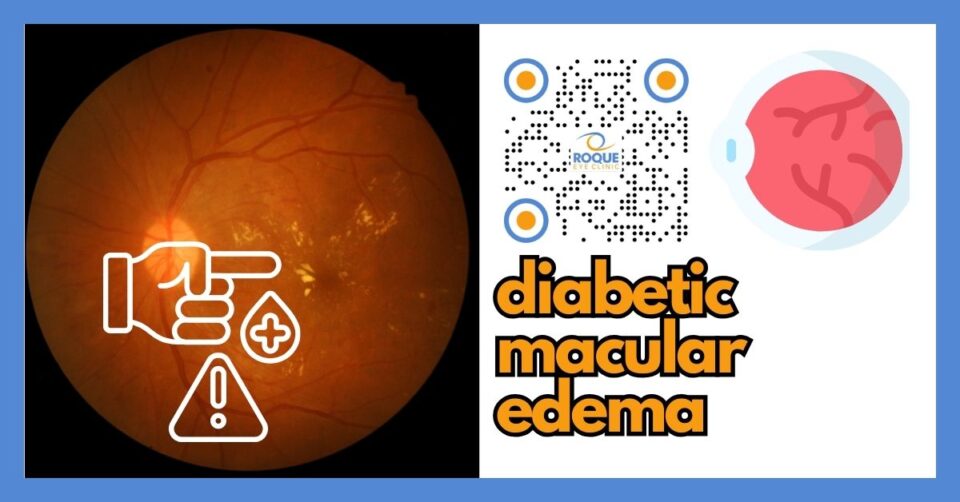
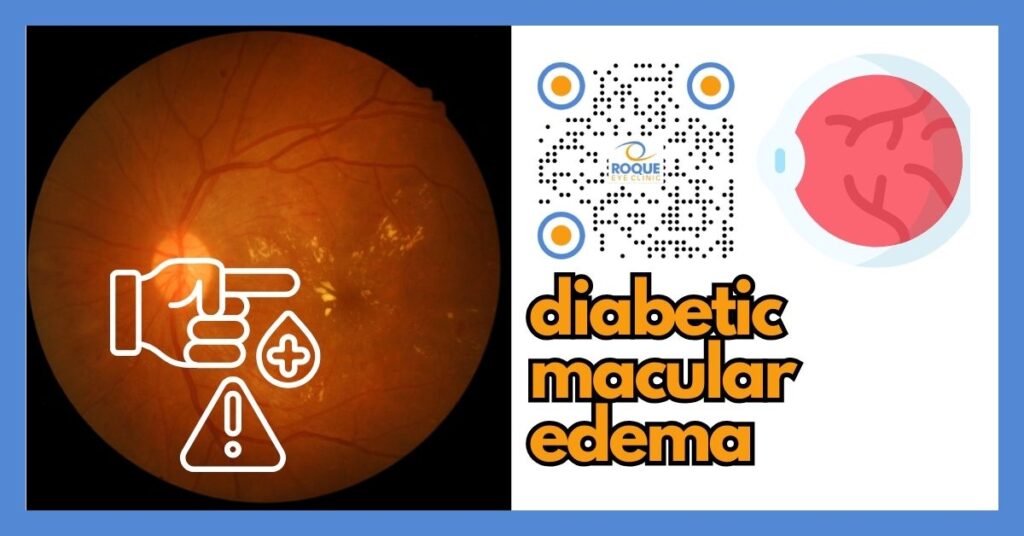
Diabetic macular edema is a major cause of blurred central vision in diabetes. Learn the symptoms, OCT findings, treatment options, and how to protect your sight.
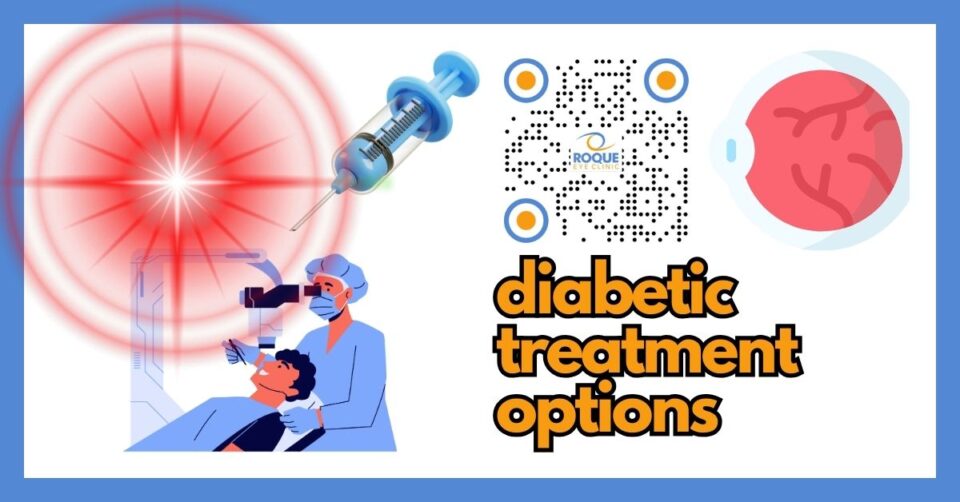
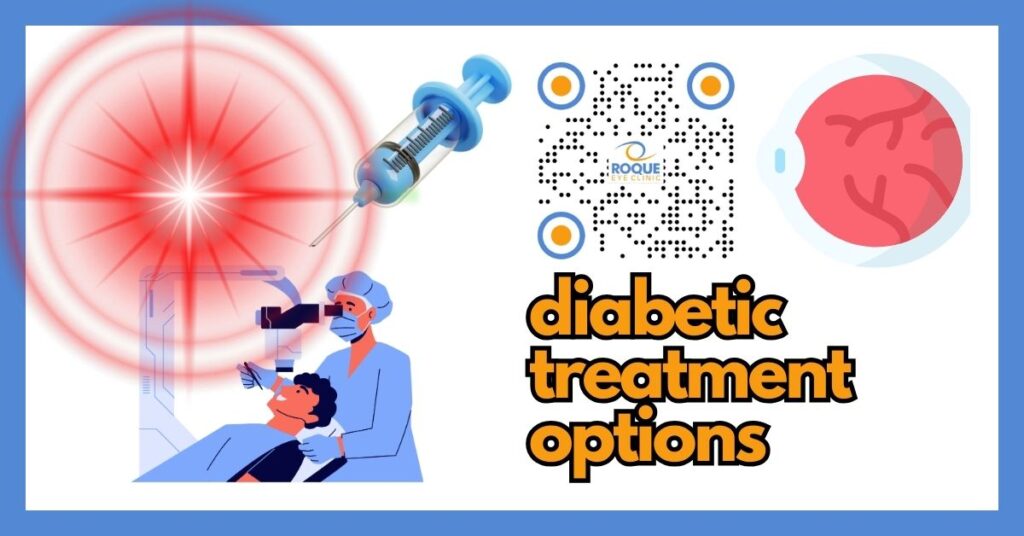
Confused about injections, laser, or surgery for diabetic eye disease? This Philippines-focused guide explains what each treatment does, who needs it, typical visit schedules, and urgent warning signs—so you can protect your vision with confidence.
A patient-friendly cost guide explaining what usually drives diabetic eye treatment expenses in the Philippines, from imaging and injections to laser and surgery.
This patient-friendly guide explains how often people with diabetes should get eye exams, when dilation is needed, and when retinal follow-up must be more frequent.