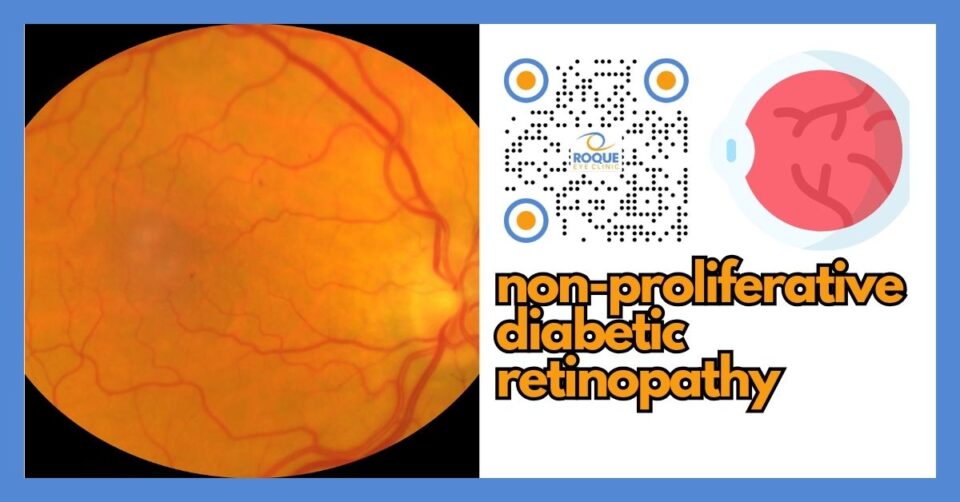
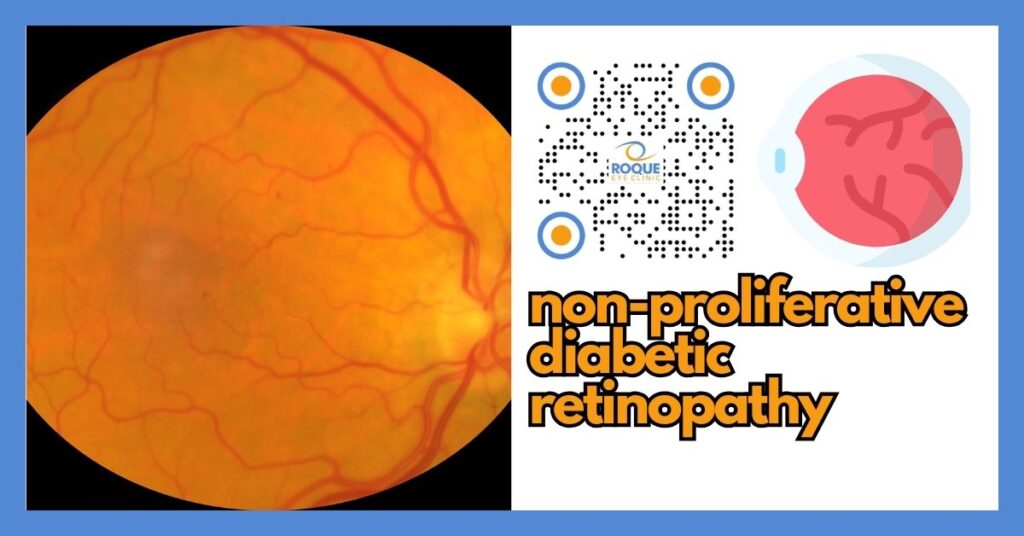
A patient-friendly guide to non-proliferative diabetic retinopathy explaining symptoms, severity, diagnosis, treatment options, and how to reduce the risk of progression.
Neovascular glaucoma in diabetes is a serious eye emergency linked to advanced diabetic retinopathy. Learn the warning signs, how doctors diagnose it, and why treatment must target both the retina and eye pressure.
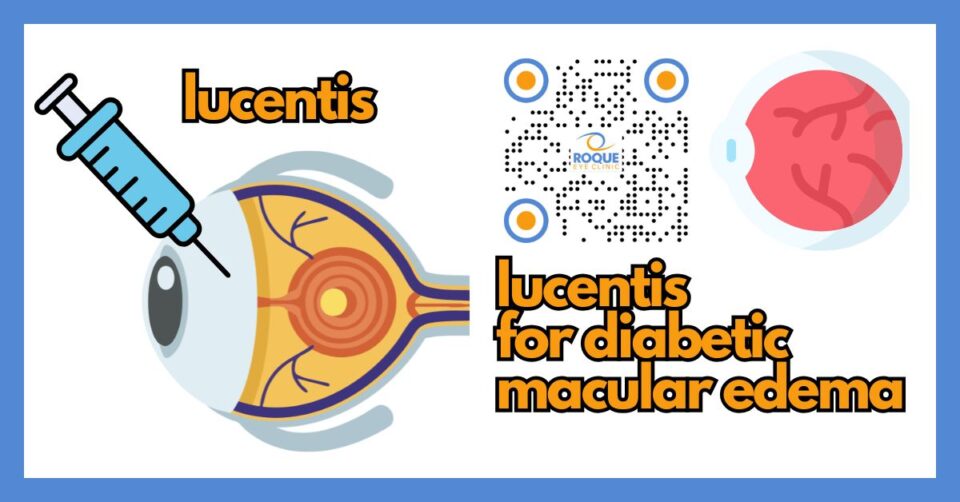
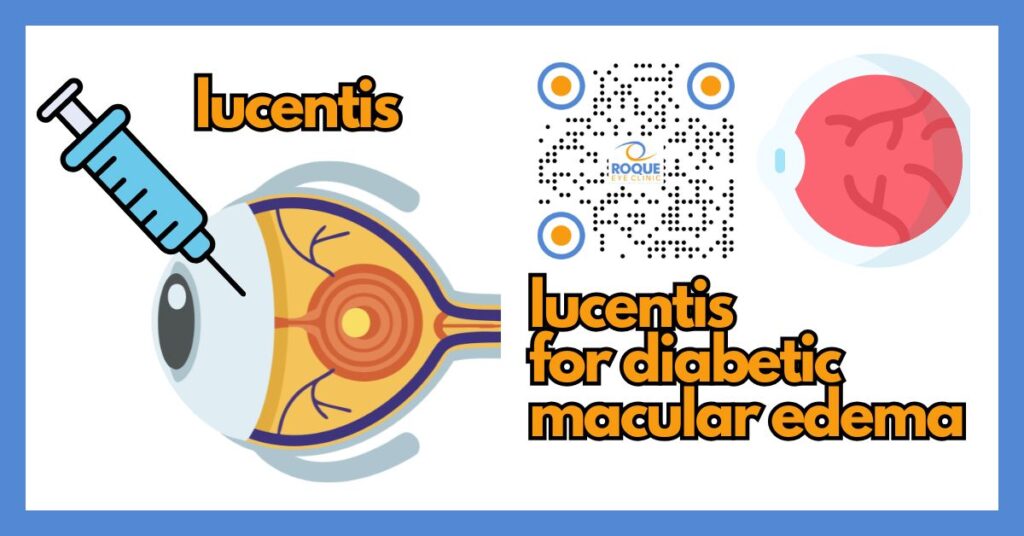
Lucentis is an anti-VEGF eye injection used to treat diabetic macular edema. Learn what it does, what to expect, and how it fits into long-term DME care.
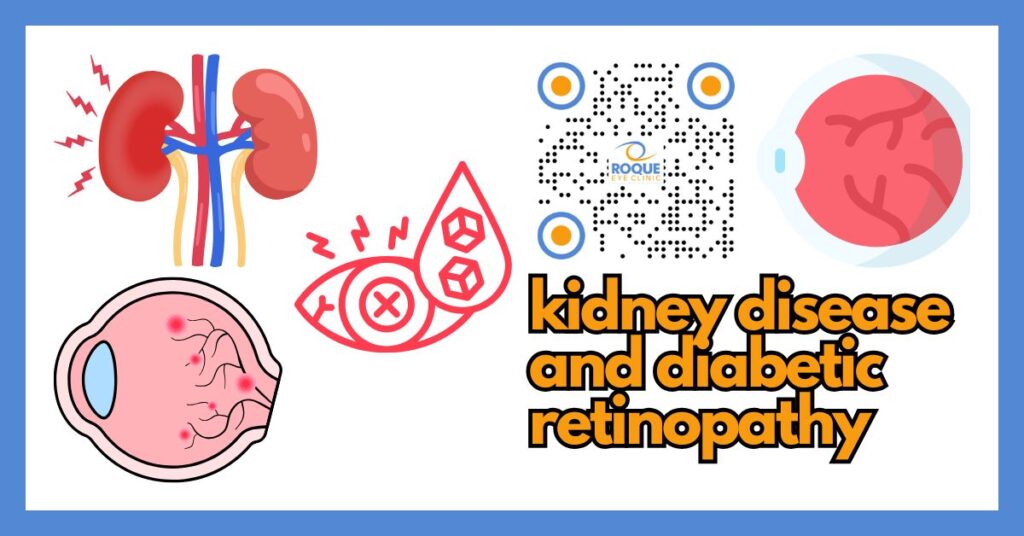
Kidney disease and diabetic retinopathy often occur together because diabetes damages small blood vessels in both the kidneys and the retina. Learn the risks, symptoms, tests, and treatments.
Future treatments for diabetic retinopathy aim to last longer, reduce injections, target more than VEGF, and personalize care. Here is what is already available and what may come next.
Fenofibrate is a cholesterol medicine that may help slow diabetic retinopathy progression in selected patients, but it does not replace retina exams or direct eye treatment.
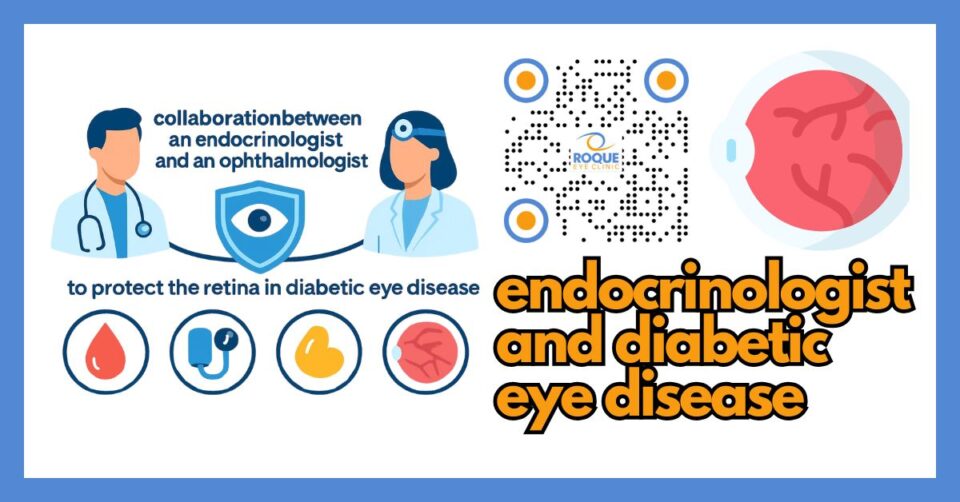
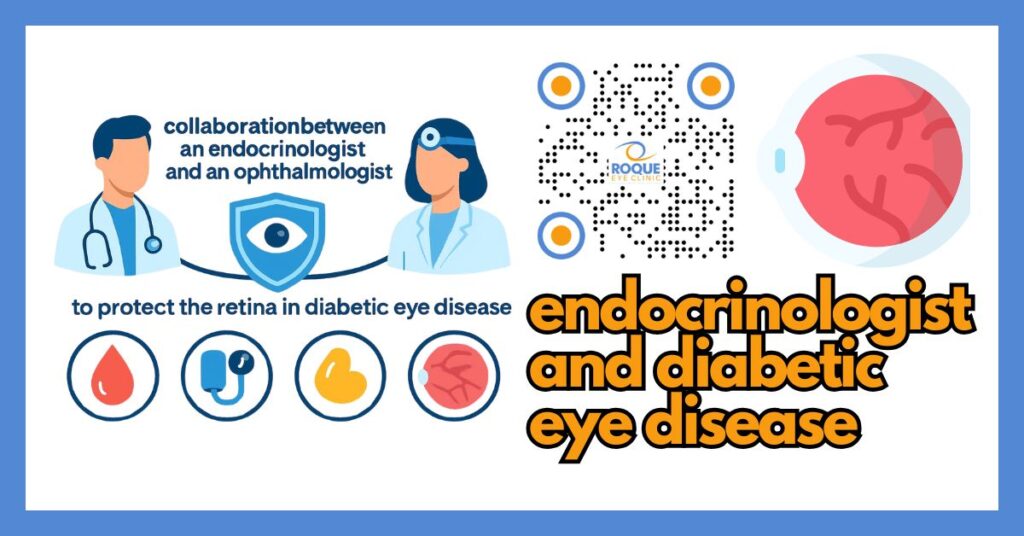
Diabetic eye disease is not only an eye problem. Learn how your endocrinologist helps protect vision by improving blood sugar, blood pressure, cholesterol, and overall diabetes care.
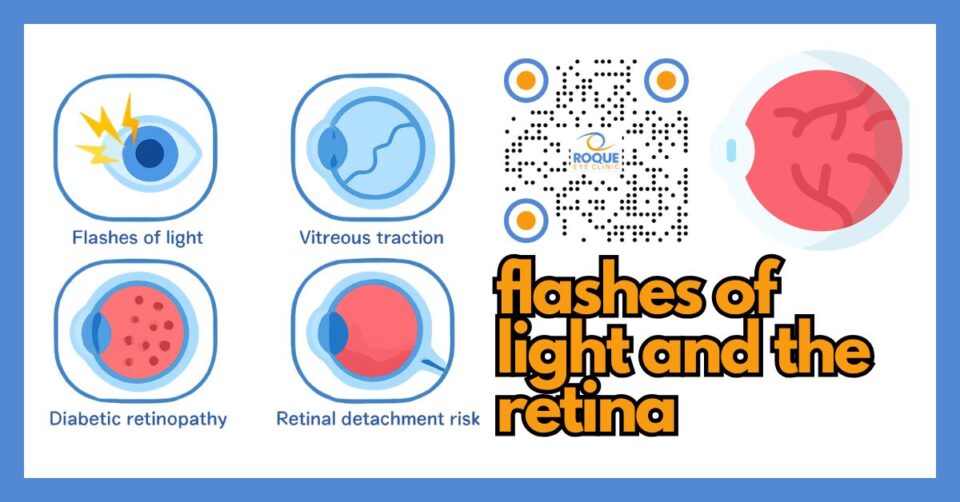
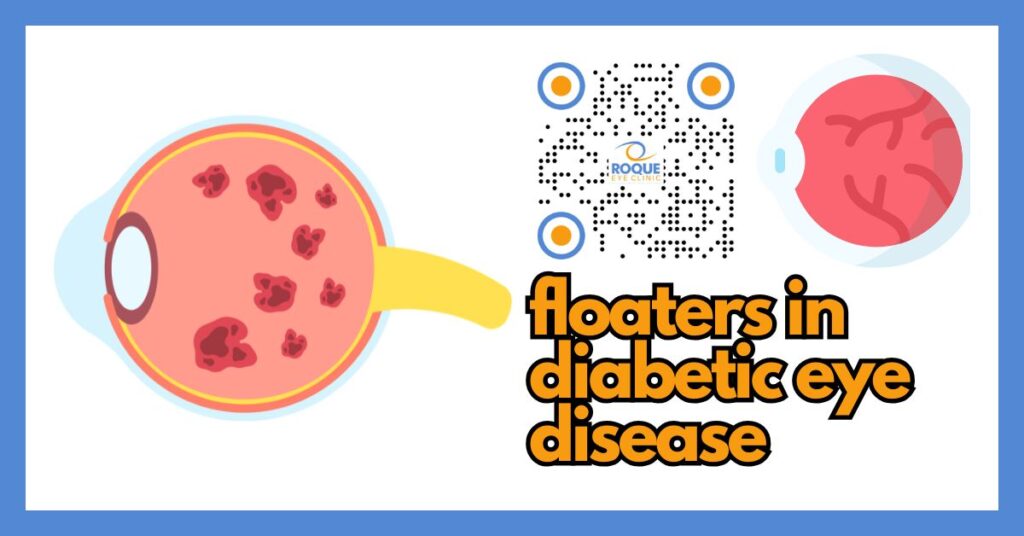
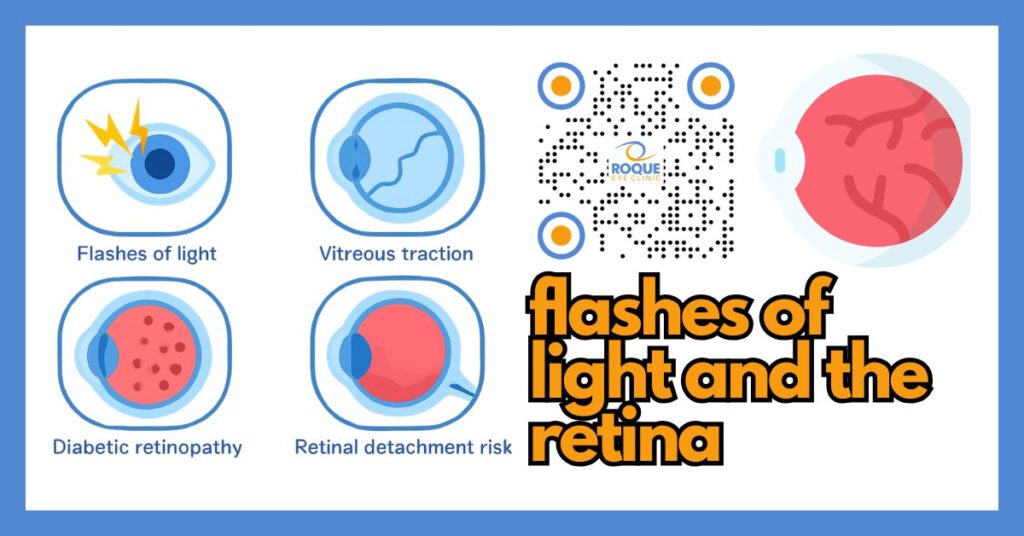
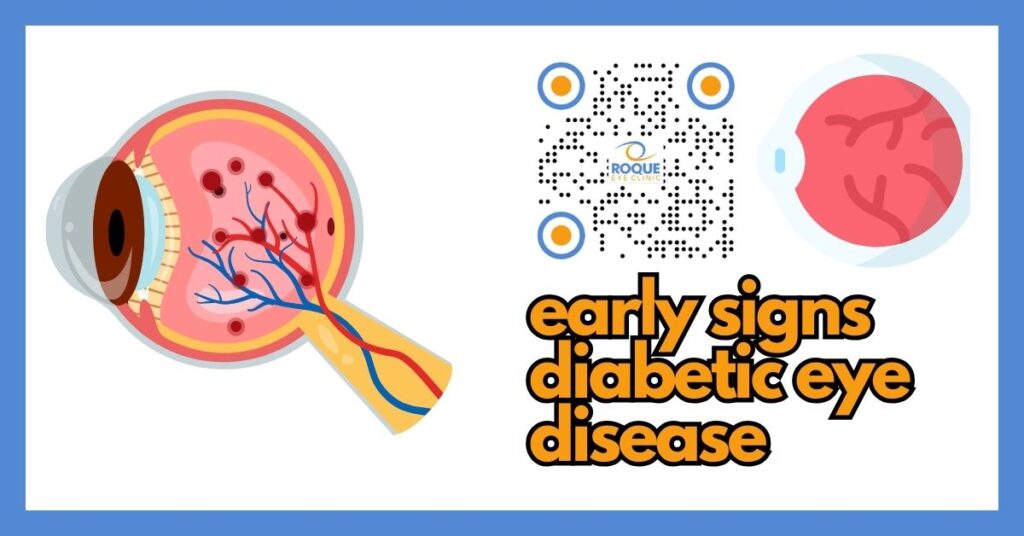
Diabetic eye disease can damage vision silently. Learn the early signs—fluctuating blur, wavy lines, new floaters, night glare—plus urgent red flags and the safest next steps.
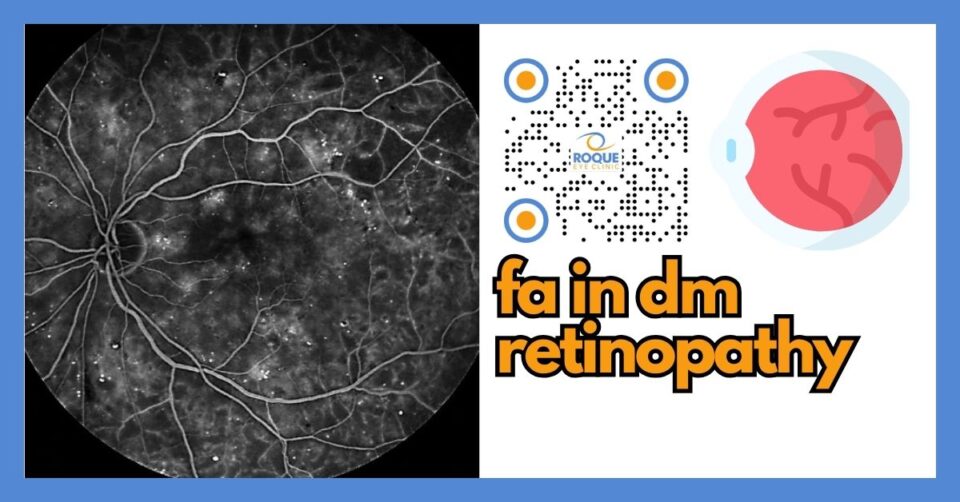
A dilated eye exam and retinal imaging are not the same. Learn what each test detects, when diabetic patients need both, and how to choose the safest eye evaluation.