



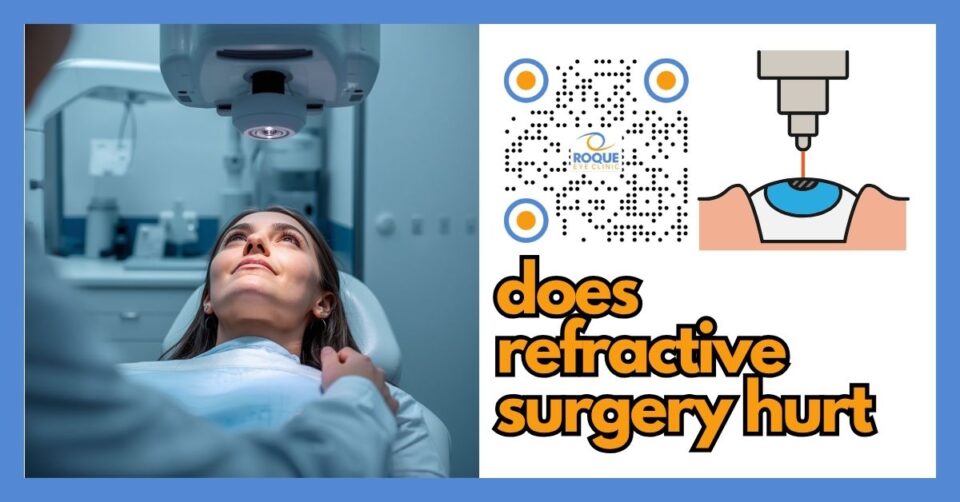
Does Refractive Surgery Hurt
🧠 Quick Answer
Most patients say refractive surgery is more uncomfortable than painful during the procedure because numbing drops are used. What you feel afterward depends on the type of surgery. LASIK usually causes mild irritation, burning, tearing, or a gritty feeling for a few hours. PRK and other surface procedures often cause more discomfort for the first few days. Worsening pain later is not normal and needs review.
“Will it hurt?” is one of the most common and most reasonable questions patients ask before refractive surgery. The honest answer is not simply yes or no. The experience depends on which procedure is performed, how your eyes respond, how healthy your tear film is, and where you are in the recovery timeline.
For many patients, the actual treatment is shorter and easier than expected. The bigger issue is usually not sharp pain during surgery, but pressure, bright lights, strange sensations, and short-term irritation afterward. That distinction matters because it helps patients prepare realistically instead of assuming that every refractive procedure feels the same.
🧩 Focus: Pain, discomfort, and recovery sensations after refractive surgery
👁 Goal: Explain what patients usually feel during and after LASIK, PRK, SMILE, and related procedures in clear, patient-friendly language
🛡 Evidence-Based: Preferred Practice Patterns • Standards of Care • Systematic Reviews • Meta-Analyses
ROQUE REFRACTIVE SURGERY Knowledge Hub
Start with the complete guide:
🔬 Refractive Surgery Pain Anatomy Micro-Primer
- Corneal nerves: The cornea is richly supplied with sensory nerves, which is why the eye is so sensitive to dryness, rubbing, and surface injury.
- Corneal epithelium: This thin outer surface layer heals quickly, but when it is removed or disturbed, patients often feel more discomfort.
- Tear film: A stable tear layer helps keep the eye comfortable. Dryness after surgery can make burning, grittiness, and fluctuating vision more noticeable.
- Eyelids and blink reflex: Blinking protects the eye, but reduced blinking after surgery—especially with screen use—can worsen dryness and discomfort.
📘 Refractive Surgery Pain Terminology Glossary
- Topical anesthesia: Numbing eye drops used so the procedure is much more tolerable.
- Foreign-body sensation: A feeling that something is in the eye even when nothing is actually there.
- Photophobia: Light sensitivity, which can happen during early healing.
- Dry eye symptoms: Burning, stinging, grittiness, or fluctuating vision related to tear film instability.
- Surface ablation: A flap-free group of procedures such as PRK and TransPRK that usually involve more early discomfort than LASIK.
- Bandage contact lens: A temporary soft lens used after surface procedures to protect the healing cornea.
Quick Navigation
Related Reading
Dr. Roque's Key Learning Points
- Most refractive procedures are done with numbing drops, so patients usually do not feel sharp pain during treatment.
- LASIK often causes mild irritation or gritty sensation for a few hours after surgery.
- PRK and other surface ablation procedures usually cause more discomfort in the first several days.
- SMILE is often described as comfortable during treatment, with short-term postoperative irritation that is usually milder than PRK.
- Increasing or severe pain after the expected recovery window is not normal and should be checked promptly.
What Patients Usually Feel During Refractive Surgery
Most patients do not describe refractive surgery as sharply painful during the actual procedure. That is because anesthetic eye drops are used before treatment starts. These drops numb the surface of the eye and make the procedure much easier to tolerate.
Even with numbing drops, however, “pain-free” does not always mean “sensation-free.” Patients may still notice:
- Pressure
- Bright lights
- Blurred or dim vision during parts of the procedure
- Watering or a strong urge to blink
- A brief feeling of suction or pressure during some LASIK steps
These sensations can feel strange and intense even when they are not truly painful. For anxious patients, the stress of staying still while someone works on the eye can feel more difficult than the physical sensation itself.
💡 Analogy
Refractive surgery is often like having dental work after numbing medicine. You may feel pressure, movement, and odd sensations, but that is very different from untreated pain.
What Patients Usually Feel After Surgery
The recovery period is where differences between procedures become more noticeable. Many patients feel relief when the procedure itself is over, only to realize that the first hours afterward are when irritation begins.
Common early postoperative sensations include:
- Burning
- Stinging
- Watering
- Light sensitivity
- Foreign-body sensation
- Dryness or grittiness
- Blurred or fluctuating vision
These symptoms can be normal, especially early on. The important question is how long they last, how severe they are, and whether they are getting better or worse.
How Pain and Discomfort Differ by Procedure
LASIK
LASIK is often described as one of the more comfortable refractive procedures overall. During treatment, most patients feel pressure rather than pain. Right afterward, the eyes may burn, water, itch, or feel gritty for several hours. Many patients improve by the next day, though dryness and fluctuating comfort can continue during healing.
PRK and other surface ablation procedures
PRK, TransPRK, LASEK, and Epi-LASIK usually involve more early discomfort than LASIK because the corneal surface must heal. Patients often feel soreness, burning, tearing, light sensitivity, and a raw or scratchy sensation for several days. A bandage contact lens is commonly used to help protect the surface while it heals.
SMILE
SMILE is generally considered comfortable during surgery with numbing drops. Afterward, many patients still experience irritation, watering, dryness, or mild discomfort, but the early pain profile is often described as less intense than surface ablation procedures.
ICL and lens-based refractive surgery
Lens-based procedures are different from corneal laser surgery. They are also usually done with local anesthetic measures and sometimes sedation. Patients may feel pressure or awareness during treatment, and afterward may notice scratchiness, light sensitivity, or mild soreness. A surgeon’s specific anesthesia plan can strongly affect the experience.
Why Discomfort Happens After Refractive Surgery
Postoperative discomfort is usually related to one or more of the following:
- Surface healing: The epithelium and tear film need time to recover.
- Temporary nerve disruption: Corneal nerves are affected by treatment and may contribute to dryness or abnormal sensations.
- Inflammation: Mild inflammation is part of normal healing.
- Dry eye: Tear instability is a common reason for burning or grittiness after surgery.
- Light sensitivity: Healing eyes may be more sensitive to bright environments.
This is one reason screening matters so much. Patients who already have dry eye, meibomian gland dysfunction, blepharitis, or ocular surface disease are more likely to notice discomfort if the surface is not optimized first.
How Surgeons Help Control Discomfort
Modern refractive surgery is designed with comfort in mind. Depending on the procedure, pain control may include:
- Numbing drops before treatment
- Lubricating drops after surgery
- Anti-inflammatory eye drops
- Antibiotic drops when indicated
- Bandage contact lens for surface procedures
- Cold compresses in selected situations
- Protective eye shields
- Oral pain relievers if advised by your surgeon
The goal is not only to reduce pain, but also to support healing and reduce rubbing, squeezing, or blinking patterns that can make recovery harder.
Why Some Patients Feel More Pain Than Others
Two patients can undergo the same procedure and describe very different comfort levels. That happens because pain is influenced by many factors, including nerve sensitivity, anxiety, dryness, inflammation, sleep, environment, and even how much the patient uses screens right after surgery.
Patients often do better when they expect the right kind of sensation. If someone expects absolutely no discomfort at all, even mild normal symptoms can feel alarming. But if someone understands that burning, tearing, and light sensitivity may happen early—especially after PRK—they usually cope better.
What Is Usually Normal
Symptoms that are often expected early in recovery include:
- Mild to moderate irritation right after LASIK
- More significant soreness during the first few days after PRK or TransPRK
- Light sensitivity
- Tearing or watery eyes
- Blurry or fluctuating vision
- Dryness that improves with lubrication
Normal recovery symptoms should generally stabilize or gradually improve. That trend matters as much as the symptoms themselves.
🚨 Emergency Warning
Severe pain, worsening pain after initial improvement, marked redness, pus-like discharge, sudden major drop in vision, nausea with eye pain, or a white spot on the cornea are not routine healing symptoms. These can signal infection, significant inflammation, pressure problems, or another complication and should be checked urgently.
Can Refractive Surgery Cause Long-Term Pain?
Most patients do not develop long-term pain. However, persistent dry eye symptoms, abnormal nerve-related discomfort, or ongoing surface disease can happen in a small subset of patients. This is another reason proper screening, informed consent, and postoperative follow-up are important.
If symptoms linger longer than expected, the next step should not be guesswork. Persistent discomfort deserves a structured exam to look for dryness, inflammation, epithelial problems, meibomian gland dysfunction, or less common causes of ocular pain.
How to Make Recovery More Comfortable
- Use prescribed drops exactly as directed
- Avoid rubbing the eyes
- Rest your eyes after surgery
- Reduce heavy screen use in the first phase of recovery
- Wear sunglasses outdoors if light sensitivity is present
- Keep follow-up visits even if symptoms seem mild
- Call your surgeon if pain feels unusual, severe, or worsening
What Patients Should Ask Before Surgery
- What should I expect to feel during the procedure?
- How uncomfortable is the recovery for the specific surgery you recommend?
- Will I likely feel more like LASIK recovery or PRK recovery?
- What medicines or drops will help control discomfort?
- What symptoms are normal in the first day, first week, and first month?
- When should I call if the pain feels worse than expected?
Continue Reading
🏁 Dr. Roque's Take-Home Message
For most patients, refractive surgery is not about severe pain during treatment. It is more often about temporary pressure during the procedure and short-term irritation afterward. LASIK usually has milder early discomfort. PRK and other surface procedures usually hurt more during the first few days. The key is knowing what is expected, following drop instructions carefully, and seeking prompt review if pain is severe or getting worse instead of better.
FAQ
1) Does LASIK hurt during the procedure?
Most patients say LASIK does not feel sharply painful during treatment because numbing drops are used. However, they may still feel pressure, bright lights, and unusual sensations.
2) Which hurts more, LASIK or PRK?
PRK usually causes more discomfort in the first few days because the corneal surface has to heal. LASIK recovery is often more comfortable early on.
3) Does SMILE hurt?
SMILE is usually well tolerated with numbing drops. Patients may still notice pressure during treatment and mild irritation afterward, but it is often described as more comfortable than surface ablation procedures.
4) Is burning and tearing normal after refractive surgery?
Yes, mild burning, watering, grittiness, and light sensitivity can be normal early symptoms after many refractive procedures. These should usually improve rather than worsen.
5) When is pain after refractive surgery a warning sign?
Severe pain, worsening pain, marked redness, sudden vision loss, pus-like discharge, or pain that feels out of proportion should be checked urgently.
6) Can dry eye make refractive surgery feel worse?
Yes. Dry eye can increase burning, stinging, grittiness, and visual fluctuation. Optimizing the ocular surface before surgery and following lubrication instructions afterward can help.
📚 References
- American Academy of Ophthalmology. LASIK — Laser Eye Surgery. Updated January 9, 2026.
- U.S. Food and Drug Administration. What should I expect during and after surgery? LASIK patient information.
- American Academy of Ophthalmology. What Is Photorefractive Keratectomy (PRK)? Updated January 14, 2026.
- American Academy of Ophthalmology. Introduction to SMILE.
- Betz J, et al. Ocular Pain after Refractive Surgery. Ophthalmology. 2023.
🤝 Roque Eye Clinic Patient Education Series
Dr. Manolette Roque | Dr. Barbara Roque
St. Luke's Medical Center Global City | Asian Hospital Medical Center
Philippines
Medical Review: Roque Advisory Council
Last Updated: March 2026
Medical Disclaimer
This article is intended for educational purposes only and does not replace professional medical consultation.