


Eye Drops After Refractive Surgery
🧠 Dr. Roque's Quick Answer
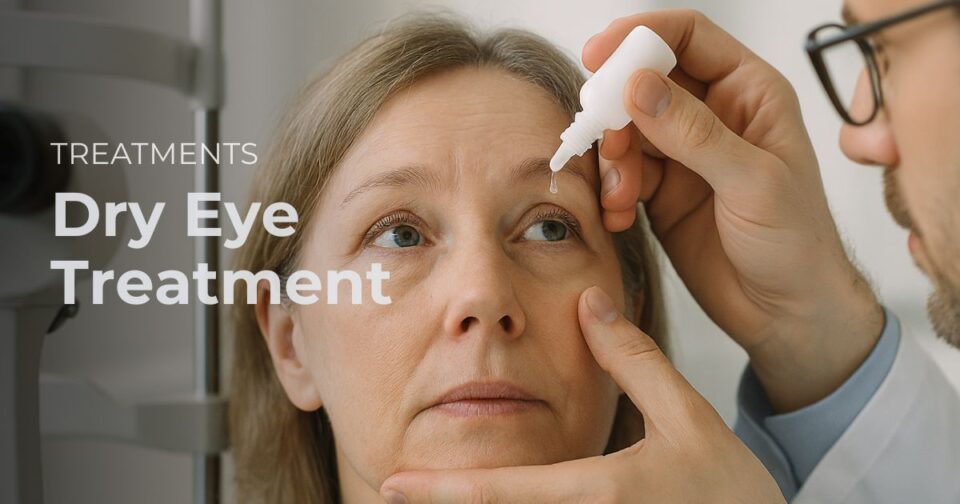
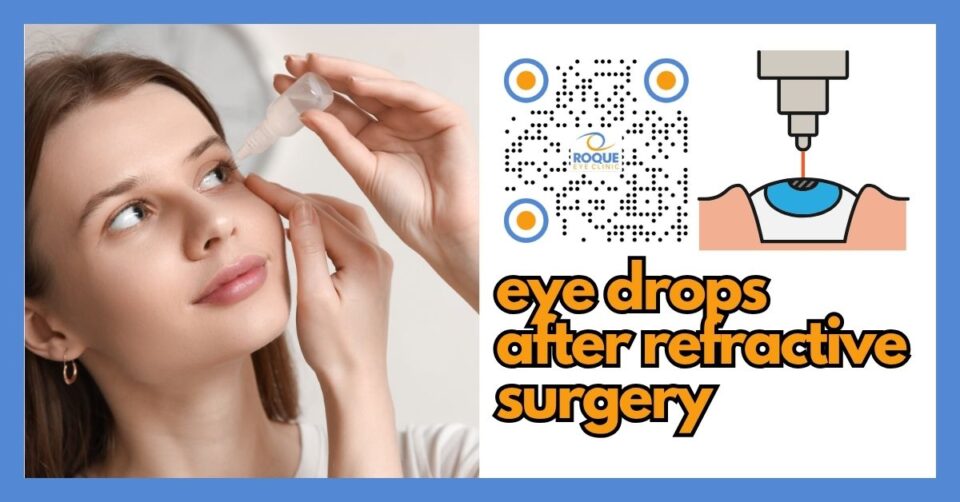
Eye drops after refractive surgery help prevent infection, reduce inflammation, improve comfort, and support healing. Most patients use a combination of prescribed medicated drops and preservative-free artificial tears, but the exact schedule depends on the procedure, the surgeon’s protocol, and how the eye is healing. Never change or stop drops without your surgeon’s advice.
After refractive surgery, many patients focus on the laser or the lens and forget that healing continues at home. Eye drops are a major part of that healing plan. They are not a small afterthought. They are one of the main tools your surgeon uses to protect the cornea, control inflammation, support surface recovery, and reduce the chance of complications.
The exact drop schedule varies. A LASIK patient may not use the same regimen as a PRK or TransPRK patient. A patient with significant dryness, blepharitis, allergy, epithelial healing problems, or steroid response may need a modified plan. That is why you should treat your printed postoperative instructions as the main authority for your case.
🧩 Focus: Postoperative eye drops after refractive surgery
👁 Goal: Explain why eye drops are used after refractive surgery, what types are commonly prescribed, how they differ by procedure, and when patients should call their surgeon
🛡 Evidence-Based: Preferred Practice Patterns • Standards of Care • Systematic Reviews • Meta-Analyses
ROQUE REFRACTIVE SURGERY Knowledge Hub
Start with the complete guide:
🔬 Eye Drops After Refractive Surgery Anatomy Micro-Primer
- Corneal epithelium: This is the outer skin of the cornea. It heals quickly after surface procedures, and drops help protect and calm it during recovery.
- Corneal nerves: Refractive surgery can temporarily affect corneal sensation. This contributes to dryness and is one reason lubricating drops are often needed.
- Tear film: This thin layer keeps the ocular surface smooth and comfortable. A disturbed tear film can cause fluctuating vision, burning, and foreign-body sensation after surgery.
- Corneal stroma and interface: Laser reshaping changes the cornea, and the healing response must be carefully controlled. That is one reason anti-inflammatory drops matter.
📘 Eye Drops After Refractive Surgery Terminology Glossary
- Antibiotic drops: Prescription drops used to lower the risk of infection after surgery.
- Steroid drops: Anti-inflammatory drops used to calm healing and reduce inflammation. Surface-ablation patients may need longer tapers than LASIK patients.
- Preservative-free artificial tears: Lubricating drops without preservatives, often preferred when drops are used frequently after surgery.
- Taper: A gradual reduction in drop frequency rather than stopping suddenly.
- Steroid response: A rise in eye pressure in response to steroid use, which is one reason follow-up visits are important.
- Ocular surface disease: Problems involving the tear film, eyelids, and corneal surface that can worsen symptoms and blur vision after surgery.
Quick Navigation
Related Reading
Dr. Roque's Key Learning Points
- Postoperative drops usually include lubrication and often include short-term antibiotic and anti-inflammatory treatment.
- Surface procedures such as PRK often need a longer anti-inflammatory plan than LASIK because epithelial healing is slower.
- Dry eye is common after refractive surgery, so preservative-free artificial tears are often important even when vision already seems good.
- Using drops incorrectly can lead to more discomfort, delayed healing, infection risk, or avoidable inflammation.
- Never copy another patient’s regimen. Your drops should match your procedure and your healing response.
Why Eye Drops Matter After Refractive Surgery
Refractive surgery changes the front of the eye on purpose. That change improves focus, but it also triggers a healing response. Eye drops help manage that response. Some reduce infection risk, some limit inflammation, and some support the tear film and comfort. Even when the procedure goes smoothly, the eye is still recovering.
Dryness deserves special attention. Systematic reviews show that dry eye symptoms commonly increase after LASIK, PRK, and LASEK, especially in the early postoperative period. Symptoms often improve over time, but they can interfere with comfort, visual quality, and patient satisfaction. That is why lubricating drops are often used generously after surgery.
💡 Dr. Roque's Analogy
Think of postoperative eye drops like the aftercare instructions after a skin procedure. The treatment itself is important, but the outcome also depends on protecting the area, controlling inflammation, and supporting healing day by day.
Main Types of Eye Drops Used After Refractive Surgery
1) Antibiotic drops
These are commonly prescribed for a short time after surgery to reduce the risk of infection. FDA patient materials for laser refractive procedures identify antibiotics as eye drops used before and/or after surgery to prevent or treat infection. The exact duration varies by surgeon and procedure.
2) Steroid or other anti-inflammatory drops
These are used to calm inflammation and support a smoother healing response. In surface-ablation procedures, steroid drops may be tapered over a longer period because haze control and epithelial healing matter more. AAO educational material on surface ablation notes that steroid drops are often tapered over months depending on haze and refractive outcome.
3) Preservative-free artificial tears
These are often the most frequently used drops after surgery. They do not replace antibiotic or steroid drops, but they help reduce dryness, support the tear film, and improve comfort. Reviews of post-refractive dry eye emphasize that lubrication is a central part of management.
4) Other drops in selected patients
Some patients need additional treatment, such as drops for allergy, inflammation related to ocular surface disease, or pressure-lowering medicine if steroid response occurs. This is individualized, which is why follow-up visits matter as much as the initial prescription.
How Eye-Drop Regimens Differ by Procedure
After LASIK
LASIK patients often use a short course of antibiotic and anti-inflammatory drops plus frequent lubricating drops. Because the epithelium usually recovers quickly, the medicated-drop phase is often shorter than with PRK, but dryness can still be a major issue in the weeks to months after surgery.
After PRK, TransPRK, LASEK, or Epi-LASIK
Surface-ablation patients often need more intensive early surface support because the epithelium must heal back over the treated area. Lubrication is important, and steroid tapers may be longer because corneal haze prevention is part of the healing strategy. This is one of the biggest reasons these regimens differ from LASIK.
After SMILE
SMILE is still a corneal refractive procedure, so postoperative drops remain important, especially lubrication and inflammation control. The exact regimen varies by surgeon, but dry-eye management still matters after lenticule-based procedures as well.
After lens-based refractive surgery
Lens-based vision correction has different healing patterns, but drops still play a central role. Infection prevention, inflammation control, and ocular surface support remain relevant. Prolonged antibiotic or steroid exposure can also affect the ocular surface, so the plan should be reviewed at follow-up visits.
Why Artificial Tears Matter So Much
Many patients assume the prescription drops are the “real” treatment and artificial tears are optional. That is not a good way to think about recovery. Dryness is one of the most common causes of fluctuating vision and dissatisfaction after corneal refractive surgery. Even when the surgery is technically excellent, an unstable tear film can make vision feel inconsistent.
Lubrication is especially important because refractive surgery can temporarily disrupt corneal nerves and alter tear dynamics. In many patients, dryness improves with time, but during the early months, tears may be one of the most frequently used postoperative treatments.
How to Use Eye Drops Correctly
- Wash your hands before touching the bottle or your eyelids.
- Do not let the bottle tip touch your eye, lashes, or skin.
- If using more than one type of drop, separate them by a few minutes so one does not wash out the other.
- Use the drops exactly as prescribed, not only when symptoms bother you.
- Keep your follow-up visits so the regimen can be adjusted safely.
A simple real-world example: if you use an antibiotic, then immediately flood the eye with tears, you may reduce the time the medicated drop stays in contact with the ocular surface. Spacing drops helps the regimen work as intended.
Common Mistakes Patients Make
- Stopping steroid drops early because the eye “already feels fine”
- Using drops less often than prescribed
- Using someone else’s medication
- Confusing lubricating drops with medicated drops
- Using old leftover bottles from previous surgery
- Ignoring new redness, pain, or vision drop because they think it is “normal healing”
One important caution is steroid overuse or unmonitored steroid use. Steroids can be very helpful, but they are not harmless. Case reports and clinical experience show that steroid-related pressure problems can occur, including interface fluid syndrome in susceptible post-LASIK eyes. That is one reason follow-up and pressure monitoring matter.
🚨 Dr. Roque's Emergency Warning
Call your surgeon urgently if you develop severe worsening pain, marked redness, pus-like discharge, a sudden major drop in vision, new corneal haze or a white spot, or symptoms that are getting worse instead of better. These may signal infection, pressure-related problems, or abnormal healing and should not be treated by simply increasing drops on your own.
What If the Eye Still Feels Dry or Irritated?
Persistent dryness does not always mean something serious is wrong, but it does deserve attention. Reviews show that post-refractive dry eye can significantly affect quality of life. Some patients improve with more frequent preservative-free tears, while others need treatment for meibomian gland dysfunction, lid disease, inflammation, or other ocular surface problems.
This is another reason not to self-adjust the regimen blindly. A patient who adds more steroid when the real problem is dryness may not improve. A patient who stops all drops because of stinging may also delay healing. The correct response depends on what your surgeon sees on examination.
Continue Reading
🏁 Dr. Roque's Take-Home Message
Eye drops after refractive surgery are part of the treatment, not just part of the instructions. They help prevent infection, calm inflammation, reduce dryness, and support healing. Use them exactly as directed, do not borrow or restart drops on your own, and contact your surgeon if pain, redness, or vision get worse instead of better.
FAQ
1) Why do I need both medicated drops and artificial tears after refractive surgery?
They do different jobs. Medicated drops usually help prevent infection or control inflammation, while artificial tears help support the tear film, reduce dryness, and improve comfort and visual quality.
2) Are the drop schedules the same after LASIK and PRK?
No. PRK and other surface-ablation procedures often need a different healing plan, including longer anti-inflammatory management, because the corneal surface has to regrow.
3) Can I stop the drops early if my eyes already feel good?
No. Feeling better does not always mean the eye has finished healing. Stopping too early can interfere with the plan your surgeon created for infection prevention or inflammation control.
4) How often should I use artificial tears after surgery?
The answer varies by surgeon and by symptoms, but many patients use preservative-free tears frequently in the early period because dryness is common after refractive surgery.
5) What happens if I miss a dose?
Follow the instructions from your surgeon or clinic. In general, do not double up unpredictably without guidance. Keep a written schedule or phone reminder so missed doses happen less often.
6) Can postoperative steroid drops be harmful?
They can be very helpful, but they should be monitored. In some patients, steroids can raise eye pressure or cause other problems, which is why follow-up visits are important.
📚 References
- American Academy of Ophthalmology. Refractive Surgery Preferred Practice Pattern®. Updated guidance and patient-selection/healing recommendations.
- U.S. Food and Drug Administration. Patient information for laser refractive surgery, including the role of antibiotic and anti-inflammatory drops after treatment.
- Steinert RF. Surface Ablation: Photorefractive Keratectomy, LASEK, Epi-LASIK. American Academy of Ophthalmology. Steroid tapers after surface ablation may extend longer depending on haze and outcome.
- Dossari SK, et al. Post-refractive Surgery Dry Eye: A Systematic Review. 2024.
- Yahalomi T, et al. Dry Eye Disease following LASIK, PRK, and LASEK. 2023 review.
- Spangler MD, et al. Ocular surface disease following LASIK and cataract surgery. 2026 review.
- Bamashmus MA, et al. Post-LASIK interface fluid syndrome caused by steroid drops. Case report.
🤝 Roque Eye Clinic Patient Education Series
Dr. Manolette Roque | Dr. Barbara Roque
St. Luke’s Medical Center Global City | Asian Hospital Medical Center
Philippines
Medical Review: Roque Advisory Council
Last Updated: March 2026
Medical Disclaimer
This article is intended for educational purposes only and does not replace professional medical consultation.