



Vision Regression After Refractive Surgery
🧠 Dr. Roque's Quick Answer
Vision regression after refractive surgery means part of the original prescription seems to come back over time after LASIK, PRK, SMILE, or similar procedures. It does not always mean the surgery failed. In some patients, healing changes, epithelial remodeling, dry eye, aging, or continued natural progression of myopia or hyperopia can reduce the early effect and make vision less sharp again.
Many patients expect refractive surgery to be a one-time permanent reset. In real life, vision can change later for several different reasons. Some changes are small and cause little trouble. Others are more noticeable and may lead to glasses for certain tasks, additional treatment, or a more detailed check to rule out complications.
The important point is this: regression is not the same as every other postoperative problem. A patient may describe “my vision got worse again,” but the reason could be true refractive regression, dry eye causing fluctuating blur, cataract changes, residual refractive error that was present from the start, corneal ectasia, or age-related presbyopia. A proper evaluation matters before deciding what to do next.
🧩 Focus: Vision regression after refractive surgery
👁 Goal: Help patients understand what regression means, why it happens, how it is evaluated, and what options may help
🛡 Evidence-Based: Preferred Practice Patterns • Standards of Care • Systematic Reviews • Meta-Analyses
ROQUE REFRACTIVE SURGERY Knowledge Hub
Start with the complete guide:
🔬 Vision Regression After Refractive Surgery Anatomy Micro-Primer
- Corneal epithelium: This is the thin outer skin of the cornea. After laser surgery, it can remodel and sometimes thicken unevenly, which may shift the refractive effect.
- Corneal stroma: This is the main structural layer reshaped by the laser. Its biomechanical response plays a role in long-term stability.
- Tear film: The tear layer covers the cornea. If it is unstable, vision may blur and fluctuate, creating “pseudo-regression” that feels like the prescription returned.
- Lens: The natural lens changes with age. Early cataract or lens aging can reduce image quality and make patients think the corneal treatment has worn off.
📘 Vision Regression After Refractive Surgery Terminology Glossary
- Regression: A return of part of the refractive error after an initially good surgical result.
- Residual refractive error: Prescription left over soon after surgery rather than a later change over time.
- Epithelial remodeling: Healing-related changes in the corneal surface layer that can alter refraction.
- Ectasia: Progressive corneal weakening and bulging that can worsen vision and requires urgent specialist review.
- Enhancement: A secondary procedure done to improve remaining or returning refractive error in selected patients.
- Presbyopia: Age-related loss of near focusing ability, usually unrelated to corneal regression itself.
Quick Navigation
Related Reading
Dr. Roque's Key Learning Points
- Vision regression means part of the refractive effect seems to fade over time after initially successful surgery.
- It can happen after LASIK, PRK, SMILE, and other corneal refractive procedures.
- Possible contributors include epithelial remodeling, biomechanical change, dry eye, aging of the natural lens, and ongoing progression of the original refractive error.
- Higher preoperative refractive error, corneal factors, optical zone choices, age, and ocular surface problems may increase risk.
- Not every “blur again” complaint is true regression; cataract, dry eye, ectasia, and residual error must also be considered.
What Vision Regression After Refractive Surgery Means
Vision regression after refractive surgery means the eye drifts away from the intended target after an initially good result. A patient may have been 20/20 early on and then notice that distance vision becomes less crisp months or years later. In myopic regression, the eye shifts back toward nearsightedness. In hyperopic regression, some farsightedness returns. Astigmatism can also recur or become more noticeable again.
This is different from a patient who never fully reached the target in the first place. That situation is usually called residual refractive error. True regression suggests that some change happened after the early postoperative period.
💡 Dr. Roque's Analogy
Think of refractive surgery like setting a thermostat to a new temperature. Regression is when the room slowly drifts away from that new setting after you first got it where you wanted. The thermostat was changed, but other forces in the system pushed things back.
Why Regression Happens
1) Corneal healing and epithelial remodeling
One of the most discussed mechanisms is healing-related remodeling of the cornea, especially the epithelium. After corneal laser surgery, the eye heals and adapts. In some patients, epithelial thickening or redistribution can partially offset the intended corneal shape change and shift the refraction back toward the original error.
2) Corneal biomechanical change
Corneal refractive surgery removes or reshapes tissue. The cornea is not just a window; it is also a biomechanical structure. In some eyes, longer-term structural response may influence refractive stability. This does not automatically mean ectasia, but it helps explain why not every result stays identical forever.
3) Ocular surface disease and dry eye
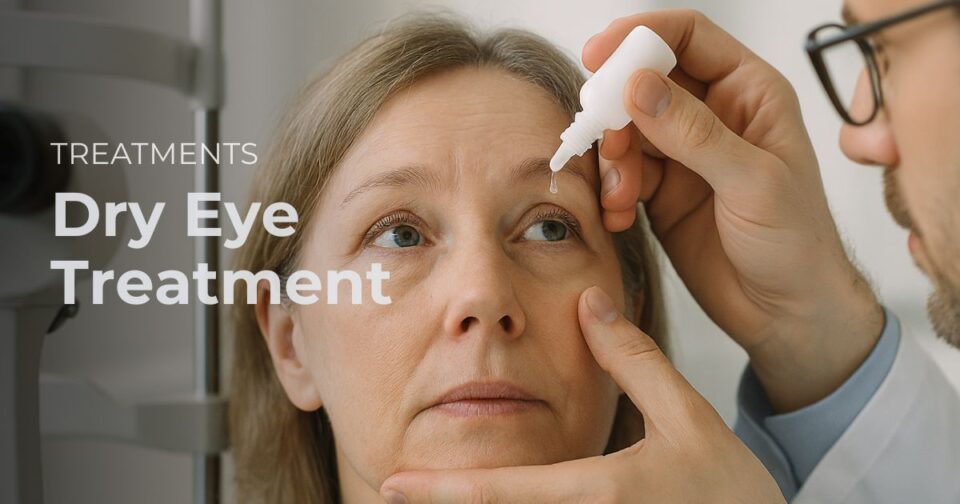
Dry eye can create fluctuating blur and poor image quality. Sometimes patients describe this as “regression,” but the problem is actually tear-film instability rather than a true refractive shift. Severe or chronic ocular surface disease may also interact with healing and contribute to less stable vision.
4) Natural progression of refractive error
Some patients continue to change naturally over time. For example, progressive myopia can still occur in some adults, especially if the original prescription was high. In other patients, age-related lens changes or presbyopia alter vision needs and create the impression that the surgery has worn off.
5) Procedure-specific and planning factors
Optical zone size, amount of correction, corneal thickness, laser planning, and procedure type may all influence long-term refractive stability. These factors are part of why screening and surgical planning matter so much before the first operation.
Who Is More Likely to Experience Regression
No single factor predicts everything, but published studies and reviews consistently point to several risk patterns. These include higher preoperative spherical equivalent, corneal thickness and tissue-removal considerations, age, optical zone factors, intraocular pressure-related biomechanical influences, and dry eye or ocular surface issues.
- Higher degrees of myopia or hyperopia before surgery
- Corneal measurements that leave less margin for long-term stability
- Smaller optical zone planning in some settings
- Older age in certain studies and procedure groups
- Dry eye and unstable tear film
- Ongoing natural refractive change after surgery
- Healing patterns unique to the individual eye
How Patients Usually Notice It
Patients often report one or more of the following:
- Distance vision is not as sharp as it was soon after surgery
- Night driving becomes harder again
- Small print at distance looks softer
- They start squinting more often
- Vision seems to fluctuate over the day
- Glasses help again for selected tasks
Fluctuating symptoms are especially important. If vision varies a lot from blink to blink or from morning to evening, dry eye may be a major part of the problem. True refractive regression is often more consistently measurable on refraction.
How Doctors Evaluate Possible Regression
When a patient says, “My prescription came back,” the next step is not to jump straight to enhancement. The first step is to find the real cause. A careful work-up may include:
- History of when the blur began and whether it is constant or fluctuating
- Uncorrected and best-corrected visual acuity
- Manifest refraction and sometimes cycloplegic refraction
- Slit-lamp examination
- Tear-film and ocular surface evaluation
- Corneal topography or tomography
- Pachymetry when needed
- Review of the original treatment and preoperative measurements
- Lens assessment for early cataract or dysfunctional lens change
This process helps separate true regression from dry eye, residual error, corneal ectasia, cataract progression, or other causes of reduced visual quality.
🚨 Dr. Roque's Emergency Warning
Seek urgent ophthalmic review if worsening blur is accompanied by rapidly increasing astigmatism, ghosting, glare that keeps worsening, eye pain, marked redness, or a sudden large drop in vision. These features raise concern for problems that are more serious than ordinary regression, including infection or corneal ectasia.
Regression Is Not Always the Same as Surgical Failure
This distinction matters. A patient may still have had a well-performed, appropriate surgery and later develop some regression. Surgery can be technically successful yet still be affected by how the eye heals and changes over time. This is one reason informed consent should include the possibility that some patients may eventually need glasses again for certain tasks or need an enhancement if they qualify.
What Can Be Done If Regression Happens
1) Treat dry eye and ocular surface disease
If tear-film instability is causing pseudo-regression, treating the surface may improve vision substantially without more surgery. Lubricants, lid treatment, anti-inflammatory therapy, punctal strategies, or other targeted dry-eye care may help depending on the case.
2) Update glasses or contact lenses
Some patients have only a small return of refractive error and may do well with occasional glasses, especially for night driving or detailed work.
3) Consider enhancement in selected cases
If the refraction is stable, the cornea is healthy, the residual tissue profile is acceptable, and the cause truly is treatable regression, enhancement may be an option. The exact approach depends on the original procedure, corneal measurements, and current findings.
4) Treat the actual non-corneal cause
If the real problem is cataract, lens dysfunction, ectasia, or another pathology, the solution is not simply “more laser.” Treatment must match the diagnosis.
Can Regression Be Prevented?
It cannot always be prevented completely, but risk can be reduced. Good prevention starts before surgery, not after it. Stable refraction before surgery is a key safety principle. Thorough screening, careful treatment planning, realistic optical goals, and strong ocular surface management all improve the chances of durable results.
Patients can also help by attending follow-up visits, reporting changes early, treating dry eye seriously, and understanding that surgery reduces dependence on glasses but does not freeze the eye in time forever.
How Regression Differs by Life Stage
A younger patient with returning distance blur may truly be drifting back toward myopia. A patient in their 40s may be noticing presbyopia more than true regression. A patient in their 50s or 60s may have lens changes that reduce clarity even though the corneal treatment remains stable. This is why age and lens status matter when counseling patients about “vision getting worse again.”
Continue Reading
🏁 Dr. Roque's Take-Home Message
Vision regression after refractive surgery is real, but it is not always dramatic and it is not always true “failure.” The right response is careful evaluation, not guesswork. Some patients need dry-eye treatment, some need glasses, some may qualify for enhancement, and some actually have a different diagnosis altogether. The safest next step is to find the cause before choosing the fix.
FAQ
1) How common is vision regression after refractive surgery?
It varies by procedure, prescription size, follow-up time, and how regression is defined. Small shifts are more common than major changes, and higher original refractive errors tend to carry more long-term risk.
2) Does regression mean my surgery failed?
No. Some regression can happen even after a technically successful procedure. Healing patterns, epithelial remodeling, dry eye, and natural eye changes all play a role.
3) Can dry eye make regression seem worse than it really is?
Yes. Tear-film instability can blur vision and create fluctuations that mimic returning prescription. This is why ocular surface evaluation is important before discussing enhancement.
4) Can I have an enhancement if my vision regresses?
Sometimes, yes. Enhancement may be possible if the refraction is stable, the cornea is healthy, and there is enough safety margin. Not every patient is a suitable candidate for additional laser treatment.
5) Is regression the same as presbyopia?
No. Presbyopia is age-related loss of near focusing ability. It often appears in the 40s and beyond and may be mistaken for regression, especially if the original surgery was done years earlier.
6) What is the most important thing to do if my vision gets worse again after surgery?
Get a proper examination. The cause may be regression, but it could also be dry eye, cataract, residual refractive error, or corneal ectasia. Treatment depends on the real diagnosis.
📚 References
- American Academy of Ophthalmology. Refractive Surgery Preferred Practice Pattern®. 2024 update.
- U.S. Food and Drug Administration. Summary of Safety and Effectiveness Data for refractive laser systems requiring stable refraction before treatment.
- Lin MY, Tan HY, Chang CK. Myopic Regression After FS-LASIK and SMILE. 2024.
- Zhang Z, et al. Factors affecting long-term myopic regression after corneal refractive surgery. 2024.
- Moshirfar M, et al. Mechanisms of Optical Regression Following Corneal Laser Refractive Surgery. 2018.
- Lee CY, et al. Refraction and topographic risk factors for early myopic regression after refractive surgery. 2024.
🤝 Roque Eye Clinic Patient Education Series
Dr. Manolette Roque | Dr. Barbara Roque
St. Luke's Medical Center Global City | Asian Hospital Medical Center
Philippines
Medical Review: Roque Advisory Council
Last Updated: March 2026
Medical Disclaimer
This article is intended for educational purposes only and does not replace professional medical consultation.