


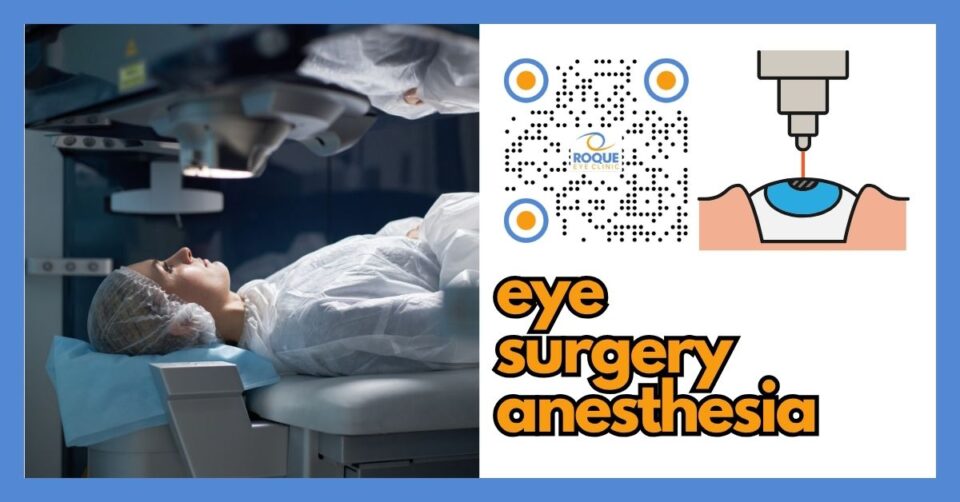
Eye Surgery Anesthesia (Topical, Sedation, and General Anesthesia)
🧠 Quick Answer
Eye surgery anesthesia helps keep you comfortable and safe during a procedure. Many refractive surgeries use numbing eye drops while you stay awake, sometimes with mild sedation to help you relax. General anesthesia is less common in adult refractive surgery, but it may be recommended in selected situations when staying still or cooperating is difficult.
One of the most common patient questions before refractive surgery is simple: “Will I be awake?” In most cases, the answer is yes. Many laser and other refractive procedures are done while the patient is awake, using anesthetic eye drops and careful positioning. That said, “awake” does not mean “in pain,” and it does not mean every patient has the same anesthesia plan.
The choice between topical anesthesia, sedation, and general anesthesia depends on the procedure, the patient’s health, anxiety level, age, ability to cooperate, and the surgeon’s judgment. Some patients need only numbing drops. Some benefit from light sedation. A smaller group may need full general anesthesia.
🧩 Focus: Anesthesia choices for refractive and related eye surgery
👁 Goal: Help patients understand topical anesthesia, sedation, and general anesthesia, including when each may be used, what they feel like, and how safety is assessed
🛡 Evidence-Based: Preferred Practice Patterns • Standards of Care • Peer-Reviewed Reviews • Ophthalmic Anesthesia Literature
ROQUE REFRACTIVE SURGERY Knowledge Hub
Start with the complete guide:
🔬 Eye Surgery Anesthesia Anatomy Micro-Primer
- Cornea: The clear front window of the eye. Topical anesthetic drops numb the corneal surface for many refractive procedures.
- Conjunctiva: The thin membrane covering the white part of the eye and inner eyelids. It can also become numb with topical medication.
- Eyelids: The eyelids must stay open during many eye procedures, often with the help of a small instrument called a speculum.
- Extraocular muscles: These move the eye. In awake surgery, patients must still follow instructions well enough to keep the eye steady.
📘 Eye Surgery Anesthesia Terminology Glossary
- Topical anesthesia: Numbing medicine placed on the eye as drops or gel.
- Sedation: Medication that helps you relax. It may be mild, moderate, oral, or intravenous.
- General anesthesia: Medication that makes you fully unconscious for surgery.
- MAC: Monitored anesthesia care, a term often used when an anesthesia team monitors and gives sedation without full general anesthesia.
- Speculum: A small device that gently keeps the eyelids open during surgery.
- Recovery area: The place where patients are observed after the procedure until stable enough to go home or return to a room.
Quick Navigation
Related Reading
Dr. Roque's Key Learning Points
- Many adult refractive procedures are done with topical anesthetic drops while the patient stays awake.
- Light sedation may be added if needed for anxiety, comfort, or cooperation.
- General anesthesia is less common in adult refractive surgery but may be appropriate in selected cases.
- The safest plan depends on the procedure, the patient’s health, anxiety level, and ability to lie still and follow instructions.
- Patients usually feel pressure, water, light, or touch more often than sharp pain.
What Eye Surgery Anesthesia Means
Eye surgery anesthesia refers to the medicines and monitoring used to keep a patient comfortable and safe during an eye procedure. In refractive surgery, the aim is usually not to make the whole body numb, but to block pain at the eye while keeping the patient calm and cooperative. The surgeon also wants the patient able to follow simple instructions, such as looking at a target light or keeping still for a short period.
This is why anesthesia in ophthalmology is different from what many patients imagine. A common fear is, “Will I be fully asleep?” Another is, “Will I feel everything?” In reality, many eye procedures sit in the middle: the eye is numbed well, the patient is monitored closely, and sedation may be used when helpful. Full general anesthesia is reserved for specific indications rather than used automatically for everyone.
💡 Analogy
Think of eye surgery anesthesia like choosing the right volume level, not just an on-off switch. Some patients need only a “quiet” level with numbing drops. Others need a little more calming support. A smaller group needs the “full off” setting of general anesthesia.
Topical Anesthesia
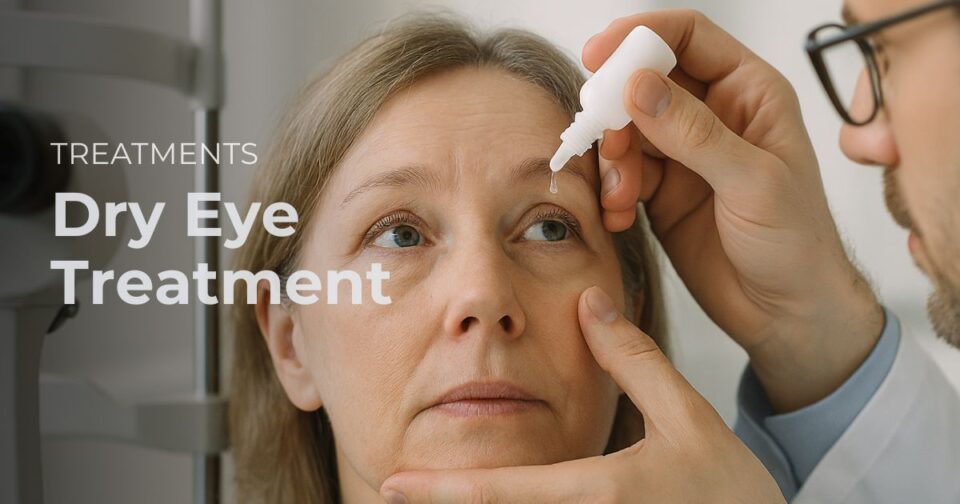
Topical anesthesia means numbing the eye surface with drops or gel. This is the most familiar anesthesia method in many laser refractive procedures. The drops reduce or block pain from the corneal surface so the patient can undergo treatment without sharp pain.
How it works
The numbing medicine is placed directly on the eye. After a short wait, the eye becomes much less sensitive. The surgeon then prepares the eye, keeps the lids open with a small speculum, and proceeds with the treatment.
What patients usually notice
Patients may still notice pressure, cool fluid, lights, movement around the eye, or the feeling that something is touching the eye. These sensations are different from pain. This distinction matters because many patients expect to feel absolutely nothing, when in fact they may still be aware of pressure or manipulation.
Advantages of topical anesthesia
- No needles are usually required at the eye for many corneal refractive procedures
- Fast onset and fast recovery
- Less body-wide medication than full general anesthesia
- Often well suited for short outpatient procedures
Limitations of topical anesthesia
- It does not automatically remove anxiety
- It does not stop all awareness of pressure or touch
- It works best when the patient can cooperate well and stay still
Sedation
Sedation is used to help a patient relax. It may be given as a pill, liquid, or intravenous medication depending on the setting and the patient’s needs. Sedation does not always mean the patient is asleep. In many ophthalmic procedures, sedation is light enough that the patient can still respond to instructions.
Why sedation may be added
- Anxiety before surgery
- Fear of instruments near the eye
- Claustrophobia or panic symptoms
- Trouble relaxing enough to stay still
- Longer or more complex procedures
Sedation is not the same as general anesthesia
This is a common point of confusion. With light or moderate sedation, the patient may feel drowsy, relaxed, or detached, but still breathe on their own and still respond if spoken to. With general anesthesia, the patient is unconscious.
Benefits of sedation
- Less anxiety and better comfort
- Easier cooperation in selected patients
- Can make the surgical experience feel shorter or less stressful
Possible downsides of sedation
- Drowsiness afterward
- Need for more monitoring
- Possible nausea, dizziness, or medication side effects
- Need for an escort home in many outpatient settings
General Anesthesia
General anesthesia makes the patient fully unconscious. This is less common in routine adult corneal refractive surgery, but it remains important in special situations. It may be used when a patient cannot cooperate, cannot lie flat or still, has severe developmental or neurologic limitations, is extremely anxious despite other measures, or when the nature of the surgery makes general anesthesia safer or more practical.
When general anesthesia may be considered
- Young children or uncooperative patients
- Severe movement disorders or inability to keep still
- Severe claustrophobia or panic that cannot be controlled safely otherwise
- Inability to lie flat or tolerate the position required
- Special medical or surgical circumstances that make awake surgery unsuitable
Why general anesthesia is not used routinely for everyone
General anesthesia is more resource-intensive and comes with broader systemic considerations than topical anesthesia with or without light sedation. Many adult refractive procedures are short and can be completed safely without making the patient fully unconscious. That is why the anesthesia plan is individualized rather than automatic.
How Doctors Choose the Anesthesia Plan
Choosing anesthesia is a clinical decision, not just a preference item. Doctors consider the type of procedure, its duration, how much stillness is required, the patient’s age, anxiety level, medical history, prior anesthesia experience, airway concerns, medications, and whether the patient can understand and follow commands.
For example, a calm adult having routine laser vision correction may need only topical drops. A very anxious adult may benefit from topical anesthesia plus light oral or IV sedation. A child or non-cooperative patient may need general anesthesia. These differences do not mean one method is “better” in the abstract. They mean the correct method is the one that best matches the actual surgical and patient situation.
What You May Feel During Surgery
Patients often worry that “awake surgery” means feeling cutting, scraping, or burning. For many modern refractive procedures, this is not how most patients describe the experience. More common descriptions include:
- Pressure
- Water or cool drops
- Bright lights
- Temporary dimming or blurred vision
- A sensation that something is happening near the eye without sharp pain
This distinction is important for informed consent. Many patients tolerate eye surgery better when they know beforehand that they may be aware of pressure or light even though the eye is well numbed.
Before Surgery: What Patients Should Tell the Team
- Any past anesthesia problem
- Medication allergies
- Use of blood thinners, sedatives, or recreational substances
- Sleep apnea or airway issues
- Severe anxiety, panic disorder, or claustrophobia
- Difficulty lying flat because of back, breathing, or heart problems
- Pregnancy or possible pregnancy
These details help the surgeon and anesthesia team decide whether awake treatment is appropriate and whether extra precautions are needed.
🚨 Emergency Warning
Seek urgent medical attention after surgery if you develop severe breathing difficulty, chest pain, fainting, a rapidly worsening allergic reaction, or sudden major loss of vision. These problems are not expected and should not be ignored.
Safety and Risks
All anesthesia plans aim to balance comfort and safety. Topical anesthesia avoids many body-wide effects of general anesthesia but depends on patient cooperation. Sedation can improve comfort, but it adds medication effects that require monitoring. General anesthesia may be the safest route in selected patients, but it also involves broader anesthetic considerations and recovery needs.
No anesthesia approach is “risk-free,” but modern ophthalmic anesthesia is generally structured carefully. The right plan is the one that fits both the procedure and the patient.
Common Patient Questions About Anesthesia Choice
- Will I be awake or asleep?
- Will I feel pain, pressure, or just awareness of touch?
- Do I need sedation because I am anxious?
- Do I need an escort home?
- Does my age or medical history change the plan?
- Can my surgery be done safely if I have claustrophobia or panic attacks?
Why the Best Plan Is Individualized
Patients sometimes compare anesthesia methods the same way they compare restaurant menu choices. In real life, anesthesia planning is more like matching the right shoe to the right activity. Slippers are fine for staying indoors. Running shoes are better for a race. Boots are better for rough ground. In the same way, topical drops, sedation, and general anesthesia each have a role. The best choice depends on where you are going and what the situation demands.
Continue Reading
🏁 Dr. Roque's Take-Home Message
Many adult refractive surgeries are done safely with numbing eye drops while the patient stays awake. Sedation may be added when helpful, and general anesthesia is reserved for selected cases. The best anesthesia plan is not the strongest one—it is the safest and most appropriate one for the procedure, the patient, and the ability to stay comfortable and still.
FAQ
1) Will I be awake during refractive surgery?
Often yes. Many adult refractive procedures are done while the patient is awake using numbing eye drops, sometimes with light sedation to help relaxation.
2) Does topical anesthesia mean I will feel nothing at all?
Not always. Many patients still notice pressure, water, lights, or gentle touch, but not sharp pain.
3) Is sedation the same as general anesthesia?
No. Sedation usually helps you relax and may make you sleepy, but you may still respond to instructions. General anesthesia makes you fully unconscious.
4) Why would someone need general anesthesia for eye surgery?
It may be needed if the patient cannot cooperate, cannot lie still or flat, is a young child, or has special medical or psychological circumstances that make awake surgery unsafe or impractical.
5) Will I need an escort home if I receive sedation?
In many outpatient settings, yes. Sedation can leave you drowsy or less alert for a period after surgery.
6) Can I ask for more anxiety control if I am scared?
Yes. Patients should tell the surgical team if they have severe anxiety, panic symptoms, or claustrophobia so the plan can be adjusted safely.
📚 References
- American Academy of Ophthalmology. Refractive Surgery Preferred Practice Pattern®. Updated 2024.
- U.S. Food and Drug Administration. What should I expect before, during, and after surgery?
- American Academy of Ophthalmology. Anesthesiology in a Changing Cataract Landscape. 2023.
- Lodhi O, et al. Anesthesia for Eye Surgery. StatPearls. Updated 2023.
- Young S. General anaesthesia for ophthalmic surgery. 2025.
🤝 Roque Eye Clinic Patient Education Series
Dr. Manolette Roque | Dr. Barbara Roque
St. Luke's Medical Center Global City | Asian Hospital Medical Center
Philippines
Medical Review: Roque Advisory Council
Last Updated: March 2026
Medical Disclaimer
This article is intended for educational purposes only and does not replace professional medical consultation.