

Diabetic Eye Treatment in the Philippines: Injections, Laser, Surgery, and What to Expect
🤖 Quick Answer: Diabetic eye treatment in the Philippines usually includes retinal screening, anti-VEGF eye injections, laser treatment, and sometimes vitrectomy surgery. The right treatment depends on whether diabetes has caused retinal swelling, bleeding, or scar tissue. Early treatment gives the best chance of protecting vision and preventing severe, permanent sight loss.
If you or a family member has diabetes, you may eventually hear terms like retina specialist, anti-VEGF injection, laser, or vitrectomy. These words can feel overwhelming at first. However, the basic idea is simple: diabetic eye treatment aims to preserve vision before damage becomes permanent.
In the Philippines, treatment principles generally follow the same evidence-based retinal care used internationally. The exact plan depends on what diabetes has done inside the eye: leaking blood vessels, swelling of the macula, bleeding into the vitreous, or traction on the retina. This guide explains the major treatment options in patient-friendly language so you know what each treatment does, why it is recommended, and what to expect next.
🧩 Focus: Treatment options for diabetic eye disease in the Philippines
👁 Goal: Help patients understand injections, laser, surgery, follow-up, and realistic expectations
🛡 Evidence-Based: Preferred Practice Patterns • Standards of Care • Systematic Reviews • Meta-Analyses
🧠 Diabetic Eye Disease Knowledge Hub
Start with the complete guide:
Diabetic Eye Disease: The Complete Patient Guide
🔎 Quick Navigation
- What diabetic eye treatment actually treats
- When treatment is needed
- Anti-VEGF injections
- Laser treatment
- Vitrectomy surgery
- What to expect in the Philippines
- Aftercare and follow-up
Related Reading
- Diabetic Eye Disease: The Complete Patient Guide
- Diabetic Macular Edema Explained
- Anti-VEGF for Diabetic Macular Edema
- Laser Treatment for Diabetic Retinopathy
- Vitrectomy for Diabetic Retinopathy
📌 Key Learning Points
- Diabetic eye treatment is not “one treatment for everyone.” It depends on the specific retinal problem found during examination and imaging.
- Anti-VEGF injections are commonly used when diabetes causes retinal swelling or vision-threatening new blood vessel growth.
- Laser treatment is still important, especially for proliferative diabetic retinopathy and selected cases of diabetic macular edema.
- Vitrectomy surgery may be needed for non-clearing vitreous hemorrhage, tractional retinal detachment, or scar tissue.
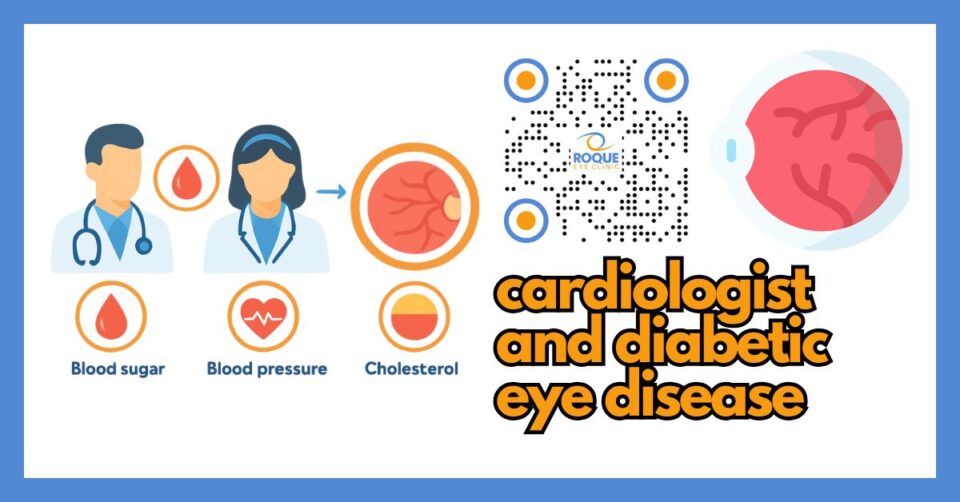
- Good blood sugar, blood pressure, and lipid control improve long-term retinal outcomes and support better treatment response.
👁 What Diabetic Eye Treatment Actually Treats
“Diabetic eye treatment” usually refers to treatment for diabetic retinopathy and diabetic macular edema (DME). These are retina problems caused by long-term diabetes. The retina is the light-sensitive tissue at the back of the eye, and the macula is the central part responsible for reading vision, face recognition, and fine detail.
Treatment does not simply target “blur” as a symptom. Instead, it targets the specific disease process causing the blur. For example:
- If the macula is swollen, the goal is to reduce swelling.
- If abnormal new blood vessels are growing, the goal is to make them regress and reduce bleeding risk.
- If blood has filled the vitreous gel, the goal may be to clear the hemorrhage or surgically remove it.
- If scar tissue is pulling on the retina, the goal is to relieve traction before permanent retinal damage develops.
👀 When Treatment Is Needed
Not every patient with diabetes needs immediate retinal treatment. Some people only need monitoring. Treatment is recommended when the exam or imaging shows changes that threaten vision or increase the risk of severe complications.
Common reasons treatment is advised include:
- Center-involving diabetic macular edema that affects central vision
- Proliferative diabetic retinopathy with abnormal new blood vessels
- Recurrent or non-clearing vitreous hemorrhage
- Tractional retinal detachment threatening the macula
- Neovascular glaucoma risk from severe retinal ischemia
This is why treatment planning usually follows a dilated exam plus imaging such as OCT, fluorescein angiography, or ultra-widefield retinal photography—not symptoms alone.
🧪 The Tests That Guide Treatment
Retina treatment decisions are often based on a combination of examination findings and imaging. In practical terms, your doctor is trying to answer three questions:
- Is the retina leaking?
- Is the macula swollen?
- Are there abnormal new blood vessels, bleeding, or traction?
Common tests used before treatment include:
- Dilated retinal examination — the foundation of decision-making
- OCT — measures macular swelling very precisely
- Fluorescein angiography — maps leakage and ischemia
- Ultra-widefield imaging — shows the peripheral retina where important changes may hide
- B-scan ultrasound — useful if vitreous hemorrhage blocks the retinal view
If you want a deeper explanation of these tests, see: OCT for Diabetic Macular Edema, Fluorescein Angiography, and Ultra-Widefield Retinal Imaging.
💊 Treatment Options
Anti-VEGF Eye Injections
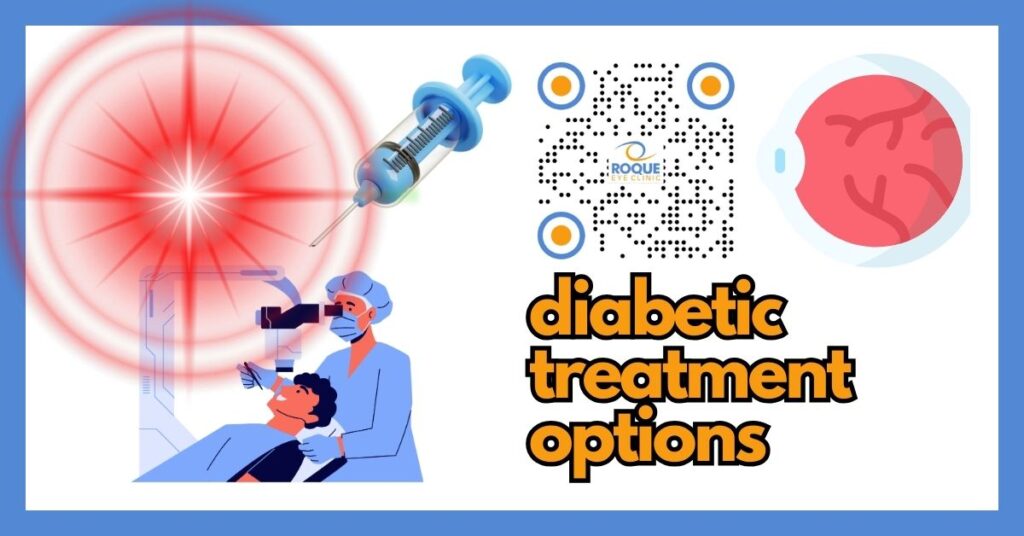
Anti-VEGF injections are one of the most important modern treatments for diabetic eye disease. They are commonly used for diabetic macular edema and can also be used in some cases of proliferative diabetic retinopathy. These medicines work by reducing leakage and suppressing abnormal blood vessel growth.
In patient-friendly terms, the injection helps “quiet down” unhealthy retinal blood vessel activity. It does not cure diabetes itself, but it can stabilize or improve vision by controlling the retinal damage caused by diabetes.
In the Philippines, patients may hear the names aflibercept, bevacizumab, ranibizumab, or faricimab, depending on the retinal diagnosis, doctor preference, availability, and cost considerations.
Learn more here: Anti-VEGF for DME, Injection Procedure, Injection Schedule, Vabysmo, Eylea, Lucentis, and Avastin.
Laser Treatment
Laser remains an important treatment even in the anti-VEGF era. The most common retinal laser for advanced diabetic retinopathy is panretinal photocoagulation (PRP). PRP treats areas of severely oxygen-starved retina to reduce the drive for harmful new vessel growth.
Some patients also need focal or grid laser in selected situations, especially when leakage patterns are suitable for focal treatment. However, treatment decisions are individualized. Your retina specialist will decide whether laser should be primary treatment, combination treatment, or not needed.
Laser is not usually described as “making vision sharper overnight.” Instead, its major role is often preventing things from getting much worse.
Related articles: Laser Treatment for Diabetic Retinopathy and Focal Laser for DME.
Vitrectomy Surgery
Vitrectomy is a retinal surgery used when diabetes has caused more advanced structural problems inside the eye. Common reasons include:
- Dense vitreous hemorrhage that does not clear adequately
- Tractional retinal detachment
- Scar tissue affecting the macula
- Combined traction and persistent bleeding
During vitrectomy, the surgeon removes the cloudy vitreous gel, clears blood, relieves traction, and may apply laser inside the eye. For many patients, vitrectomy is the treatment that gives the retina its best chance when office-based treatment alone is no longer enough.
Learn more: Vitrectomy for Diabetic Retinopathy and Vitrectomy Recovery.
Adjunctive and Special Treatments
In some cases, the retina specialist may also discuss steroid treatment, especially in selected macular edema situations. One example is the dexamethasone implant. This is not the first choice for every patient, but it may be considered in particular clinical scenarios.
Related article: Ozurdex for Diabetic Macular Edema.
Systemic Treatment Still Matters
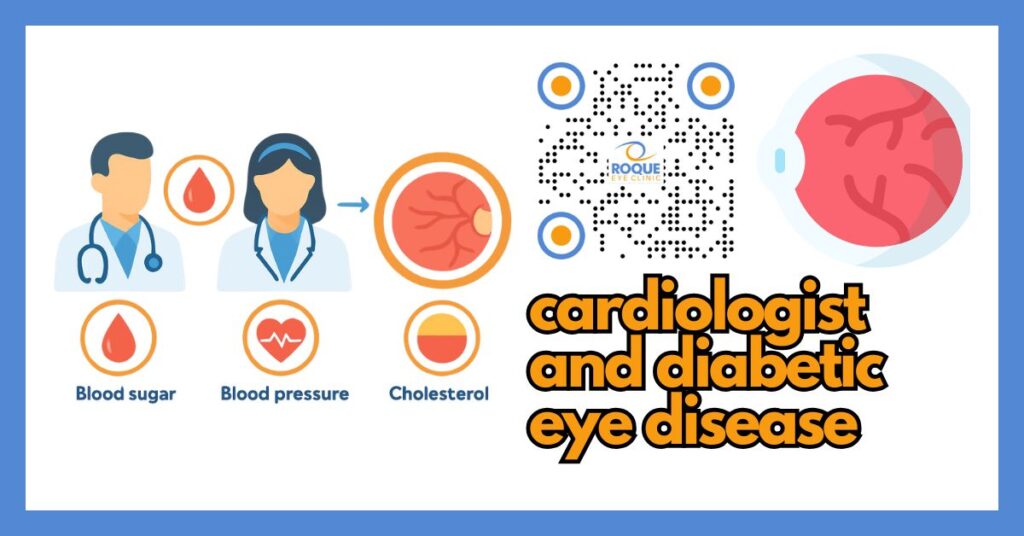
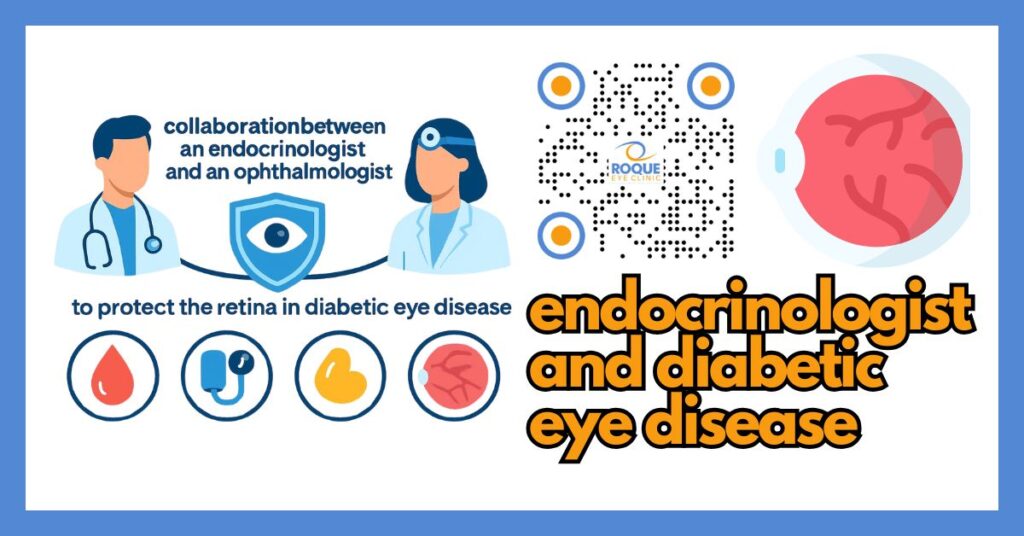
Even the best retinal procedure works better when the rest of the body is also being managed well. Poor blood sugar, uncontrolled blood pressure, abnormal lipids, kidney disease, and missed follow-up can all worsen retinal outcomes.
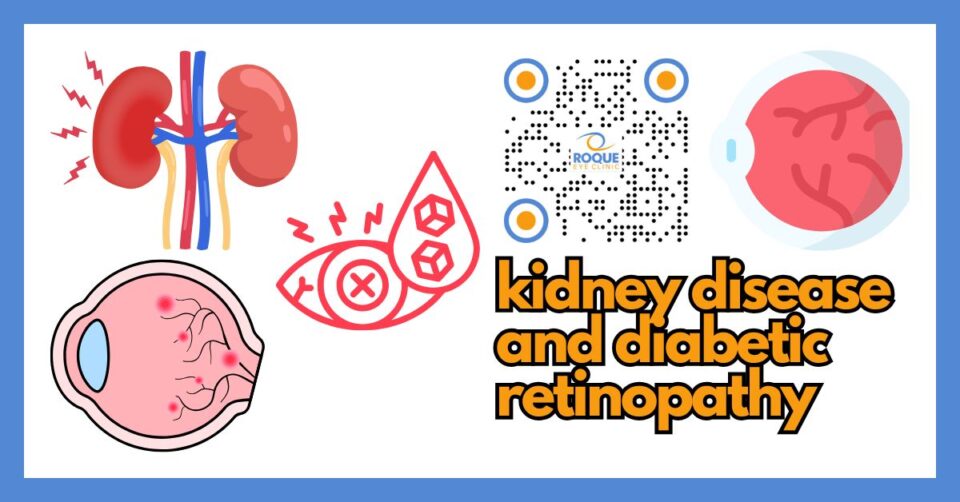
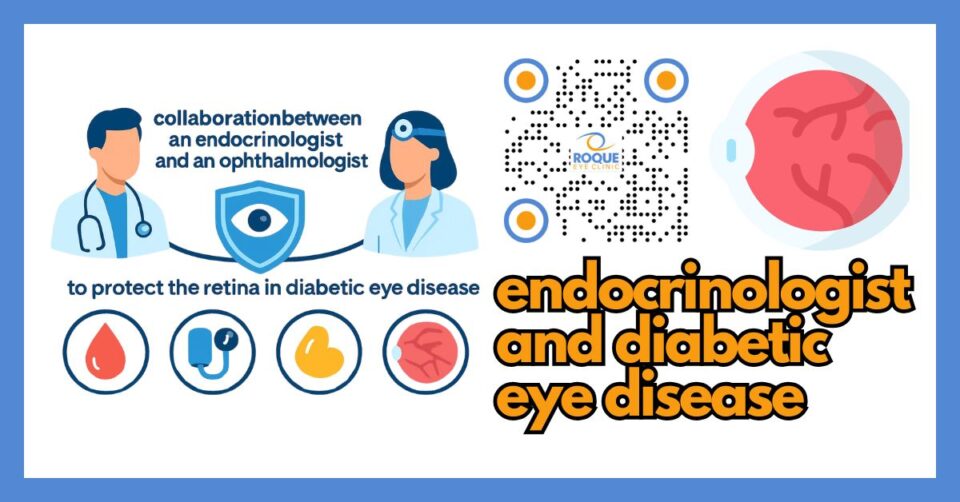
Important related reads: Diabetes Control and Eye Health, Diabetes Targets and Eye Health, Why the Endocrinologist Matters, and Kidney Disease and Diabetic Retinopathy.
What to Expect in the Philippines
Although treatment plans follow global retinal principles, practical details in the Philippines may vary by city, hospital, specialist availability, imaging access, and medication choice. In real-world practice, patients often go through these steps:
- Retina evaluation with dilated exam and imaging
- Discussion of the exact retinal diagnosis
- Decision between observation, injections, laser, surgery, or combination treatment
- Planning of treatment frequency and follow-up schedule
It is normal for treatment to be staged over time. Some patients need repeated injections. Others may need laser after injections, or vitrectomy after a hemorrhage or traction complication. This does not necessarily mean treatment “failed.” It often means diabetic retinal disease is complex and requires stepwise care.
Do not wait for a routine appointment if you develop sudden severe blur, a curtain-like shadow, a sudden shower of floaters, or severe eye pain. Those symptoms can signal vitreous hemorrhage, retinal detachment, or neovascular glaucoma and may require urgent retinal evaluation.
How to Protect Your Vision After Treatment
Treatment works best when patients understand that follow-up is part of the treatment itself. Many people feel relieved after the first injection or laser session and assume they are “done.” Unfortunately, diabetic retinal disease often requires ongoing monitoring and, in some cases, repeated therapy.
Protect your vision by:
- keeping follow-up appointments exactly as advised
- taking diabetes, blood pressure, and cholesterol control seriously
- reporting sudden new symptoms immediately
- asking for a clear explanation of your treatment plan and expected timeline
- understanding that treatment goals may be to stabilize vision, not always to fully restore it
In simple terms: retinal treatment is strongest when medical control and eye care work together.
Continue Reading
- Anti-VEGF for Diabetic Macular Edema
- Laser Treatment for Diabetic Retinopathy
- Vitrectomy for Diabetic Retinopathy
- Diabetic Eye Treatment Cost in the Philippines
- Future Treatments for Diabetic Retinopathy
🏁 Take-Home Message
Diabetic eye treatment in the Philippines usually involves a combination of careful retinal diagnosis, anti-VEGF injections, laser, and sometimes vitrectomy surgery. The correct treatment depends on what diabetes has already done inside the eye—not just on symptoms alone.
The best results happen when retinal treatment starts early and is paired with strong control of blood sugar, blood pressure, and cholesterol. If your retina specialist recommends treatment, it is usually because the goal is to protect vision before the damage becomes harder to reverse.
❓ Frequently Asked Questions
Is diabetic eye treatment always an injection?
No. Some patients need only monitoring, while others need laser, surgery, or a combination of treatments. The plan depends on the exact retinal problem.
Are anti-VEGF injections painful?
Most patients tolerate them well because the eye is numbed first. The experience is usually more uncomfortable than painful, and the actual injection is very quick.
Does laser treatment improve vision immediately?
Not usually. Laser often aims to reduce future damage and lower bleeding risk rather than create instant visual improvement.
When is vitrectomy needed in diabetic eye disease?
Vitrectomy is usually considered for non-clearing vitreous hemorrhage, tractional retinal detachment, or scar tissue that threatens vision.
Can diabetic eye treatment cure diabetes-related eye disease forever?
Treatment can control the eye disease, stabilize vision, and sometimes improve it. However, diabetes is ongoing, so long-term follow-up remains essential.
Why do I still need treatment if my vision is “not that bad” yet?
Some retinal changes are treated early to prevent bleeding, traction, or central vision loss before the damage becomes more difficult to manage.
📚 References
- American Academy of Ophthalmology. Preferred Practice Pattern: Diabetic Retinopathy.
- American Diabetes Association. Standards of Care in Diabetes — Retinopathy, Neuropathy, and Foot Care.
- National Eye Institute. Diabetic Retinopathy.
- DRCR Retina Network / major randomized anti-VEGF trial evidence for diabetic macular edema.
- National Eye Institute. Laser Treatment for Diabetic Retinopathy.
🤝 Roque Eye Clinic Patient Education Series
Reviewed by the Roque Advisory Council
Dr Manolette Roque | Dr Barbara Roque
St Luke’s Medical Center Global City | Asian Hospital Medical Center
Philippines
Medical Review: Roque Advisory Council
Last Updated: March 2026
This article is intended for educational purposes only and does not replace professional medical consultation.
BOOK AN APPOINTMENT
It takes less than 5 minutes to complete your online booking. Alternatively, you may call our BGC Clinic, or our Alabang Clinic for assistance.