

Diabetic Eye Disease: The Complete Patient Guide
🤖 Quick Answer: Diabetic eye disease happens when diabetes damages the retina’s tiny blood vessels. It can cause diabetic retinopathy, diabetic macular edema, blurry vision, floaters, or blindness if left untreated. Regular dilated eye exams, good blood sugar control, and timely treatment with injections, laser, or surgery help detect problems early and protect long-term vision.
Diabetes can affect many organs, including the eyes. One of the most important complications is diabetic eye disease, a group of conditions that may damage the retina and threaten vision if not detected early. The most common sight-threatening problems are diabetic retinopathy and diabetic macular edema (DME).
The reassuring part is that most diabetes-related blindness is preventable. With regular eye examinations, careful diabetes control, and timely treatment, many patients keep useful vision for reading, driving, work, and daily life. This guide explains what diabetic eye disease is, why it happens, how it is diagnosed, and what modern treatments can do to protect eyesight.
🧩 Focus: Diabetic Retinopathy & Diabetic Macular Edema
👁 Goal: Prevent avoidable vision loss through screening and early treatment
🛡 Evidence-Based: Preferred Practice Patterns • Standards of Care • Systematic Reviews • Meta-Analyses
📘 Retina Terminology Glossary
Retina — the thin light-sensing tissue lining the back of the eye.
Macula — the central retina used for detailed vision.
Retinal blood vessels — tiny vessels that supply oxygen and nutrients to retinal tissue; diabetes can weaken and damage them.
Diabetic retinopathy — retinal blood vessel damage caused by diabetes.
Macular edema — swelling in the macula from leaking blood vessels.
Vitreous — the gel inside the eye that can fill with blood if retinal vessels rupture.
🔎 Quick Navigation
- What Is Diabetic Eye Disease?
- Common Symptoms
- Stages of Diabetic Retinopathy
- How Doctors Detect It
- Treatment Options
- How to Protect Your Vision
Related Reading
- Early Warning Signs of Diabetic Eye Disease
- Why Vision Blurs with Diabetes
- How Often Diabetics Need Eye Exams
- How to Prevent Diabetic Blindness
- How Blood Sugar Control Protects Vision
📌 Key Learning Points
- Diabetic eye disease may develop without symptoms in early stages, which is why regular dilated eye examinations matter.
- The two most important sight-threatening conditions are diabetic retinopathy and diabetic macular edema.
- Blurred vision, floaters, wavy lines, and sudden vision loss can all be warning signs of retinal disease.
- Modern treatments such as anti-VEGF injections, laser therapy, and vitrectomy surgery can protect or improve vision in many patients.
- Good control of blood sugar, blood pressure, and cholesterol lowers the risk of vision-threatening complications.
🗺 Diabetic Eye Disease Article Map
🧠 Pillar Guide
🔎 Symptoms & Warning Signs
- 02 Early Warning Signs of Diabetic Eye Disease
- 03 Why Vision Blurs with Diabetes
- 04 Floaters in Diabetic Eye Disease
- 05 Flashes of Light and the Retina
- 06 Sudden Vision Loss in Diabetes
🧪 Diagnosis & Screening
- 07 Diabetic Eye Exam Schedule
- 08 Prevent Diabetic Blindness
- 09 Diabetes Control and Eye Health
- 10 Diabetes Targets and Eye Health
- 11 Diabetic Retinopathy Screening Programs
- 12 AI Screening for Diabetic Retinopathy
- 13 Dilated Eye Exam vs Imaging
- 14 OCT for Diabetic Macular Edema
- 15 OCT Angiography for Diabetic Retinopathy
- 16 Fluorescein Angiography in Diabetic Retinopathy
- 17 Ultra-Widefield Retinal Imaging in Diabetes
- 18 B-Scan Ultrasound for the Retina
- 19 Amsler Grid Monitoring
📈 Disease Stages
- 20 Diabetic Retinopathy Stages
- 21 Non-Proliferative Diabetic Retinopathy
- 22 Proliferative Diabetic Retinopathy
- 23 Vitreous Hemorrhage in Diabetes
- 24 Tractional Retinal Detachment in Diabetes
- 25 Epiretinal Membrane in Diabetes
- 26 Rubeosis Iridis in Diabetes
- 27 Diabetic Macular Edema
- 28 Center-Involving DME
💊 Treatments
- 29 Diabetic Eye Treatment in the Philippines
- 30 Anti-VEGF for Diabetic Macular Edema
- 31 Anti-VEGF Injection Procedure
- 32 Anti-VEGF Treatment Schedule
- 33 Vabysmo for Diabetic Macular Edema
- 34 Eylea for Diabetic Macular Edema
- 35 Lucentis for Diabetic Macular Edema
- 36 Avastin for Diabetic Macular Edema
- 37 Ozurdex for Diabetic Macular Edema
- 38 Laser Treatment for Diabetic Retinopathy
- 39 Focal Laser for DME
- 40 Vitrectomy for Diabetic Retinopathy
- 41 Vitrectomy Recovery
⚕ Systemic Health & Practical Guides
- 42 Diabetic Cataract Surgery
- 43 Cataract Surgery with Retinopathy
- 44 Diabetes and Glaucoma
- 45 Neovascular Glaucoma in Diabetes
- 46 Endocrinologist and Diabetic Eye Disease
- 47 Cardiology and Diabetic Eye Disease
- 48 Kidney Disease and Diabetic Retinopathy
- 49 Dialysis and Diabetic Retinopathy
- 50 Fenofibrate and Diabetic Retinopathy
- 51 Sulodexide and Diabetic Retinopathy
- 52 GLP-1 and Diabetic Eye Disease
- 53 Pregnancy and Diabetic Retinopathy
- 54 Diabetic Eye Treatment Cost in the Philippines
- 55 Future Treatments for Diabetic Retinopathy
👁 What Is Diabetic Eye Disease?
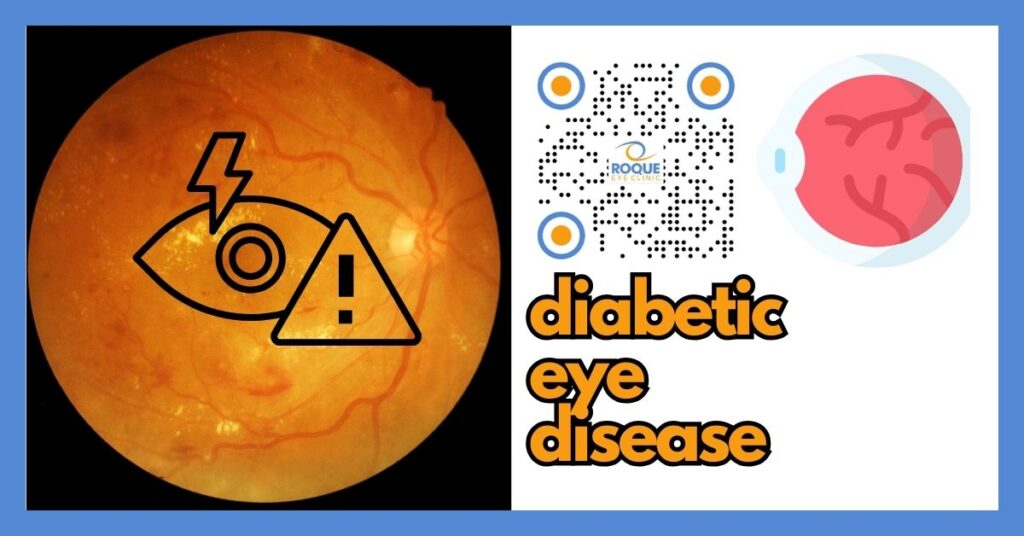
Diabetic eye disease is a broad term for eye problems caused by diabetes. The most important of these problems affect the retina, the light-sensitive tissue lining the back of the eye. When blood sugar stays high over time, the tiny retinal blood vessels become weak, leaky, blocked, or abnormal. This can lead to vision loss if left untreated.
The most important retinal problems are diabetic retinopathy and diabetic macular edema. Diabetic retinopathy is damage to retinal blood vessels. Diabetic macular edema is swelling in the center of the retina, called the macula, which is the part responsible for crisp central vision. Diabetes also raises the risk of cataract and some types of glaucoma, especially when retinal disease becomes severe.
In the early stages, the eye may look and feel normal to the patient. That is why diabetic eye disease can be dangerous: damage may quietly progress before symptoms become obvious. By the time central blur, floaters, or dark spots develop, the disease may already be moderate or advanced.
The good news is that diabetic eye disease is one of the most preventable causes of blindness. Screening catches problems before symptoms appear. Treatment can reduce swelling, stop abnormal blood vessel growth, and preserve vision when done on time.
👀 Common Symptoms
Many patients have no symptoms at all in the early stages. This is one reason yearly dilated eye examinations are so important. As the disease progresses, symptoms may become easier to notice.
- Blurred vision — often due to swelling in the macula or blood sugar fluctuations
- Floaters or dark spots — may happen when fragile blood vessels bleed into the vitreous
- Wavy or distorted lines — often a sign of macular involvement
- Dark or empty areas in vision — may indicate retinal damage or bleeding
- Sudden vision loss — can occur in more severe complications such as vitreous hemorrhage or tractional retinal detachment
Some people notice that their vision changes from day to day. Others struggle more with reading, recognizing faces, or driving at night. Even small changes deserve attention when diabetes is present.
Sudden vision loss, a sudden shower of floaters, flashes of light, or a dark curtain in vision may indicate retinal bleeding or retinal detachment. Seek urgent ophthalmologic evaluation immediately.
For deeper symptom guides, see Early Warning Signs of Diabetic Eye Disease, Why Vision Blurs with Diabetes, and Floaters in Diabetic Eye Disease.
Stages of Diabetic Retinopathy
Doctors classify diabetic retinopathy by severity because stage helps predict risk and guides treatment. In general, disease starts with mild damage and may progress to advanced forms with bleeding, scar tissue, and serious vision loss.
| Stage | Description | Vision Impact |
|---|---|---|
| Mild NPDR | Tiny microaneurysms and small hemorrhages appear | Usually no symptoms |
| Moderate NPDR | More blood vessel leakage and increasing retinal stress | Possible blur, especially if the macula is affected |
| Severe NPDR | Large retinal areas lose normal blood flow and oxygen | High risk of progression to proliferative disease |
| Proliferative DR | Abnormal new blood vessels grow and may bleed or scar | Serious risk of bleeding, traction, and vision loss |
Diabetic macular edema can happen at different stages. That means a patient may have central visual blur even before retinopathy reaches the most advanced stage. In practice, eye doctors look not only at “stage” but also at whether the center of the macula is involved, how much fluid is present, and whether abnormal new vessels have formed.
Learn more in Diabetic Retinopathy Stages, Non-Proliferative Diabetic Retinopathy, Proliferative Diabetic Retinopathy, and Center-Involving DME.
🧪 How Doctors Detect It
Diabetic eye disease is diagnosed through a complete eye examination and retinal imaging. Vision testing alone is not enough because the retina may look unhealthy long before vision drops.
- Dilated retinal examination — allows the doctor to inspect the retina directly
- Optical coherence tomography (OCT) — measures retinal swelling and is especially important for diabetic macular edema
- OCT angiography — shows retinal blood flow patterns without dye in selected cases
- Fluorescein angiography — highlights leaking vessels and areas of poor blood supply
- Ultra-widefield retinal imaging — captures a broader view of the retina, including the periphery
- B-scan ultrasound — helps when blood inside the eye blocks the doctor’s view
Screening guidance commonly recommends routine eye examinations because people with vision-threatening retinopathy may still be asymptomatic. For many adults with diabetes, a comprehensive dilated eye exam at least once a year is a key protective habit. However, patients with active disease may need more frequent follow-up based on the doctor’s findings.
For test-specific guides, see Dilated Eye Exam vs Imaging, OCT for Diabetic Macular Edema, and Fluorescein Angiography in Diabetic Retinopathy.
💊 Treatment Options
Treatment depends on how severe the disease is, whether the macula is swollen, and whether abnormal new vessels are present. Not every patient needs the same treatment, and some need more than one type of therapy.
Anti-VEGF Injections
Anti-VEGF medicines are commonly used for diabetic macular edema and selected cases of proliferative diabetic retinopathy. These medicines reduce abnormal vessel signals and help decrease retinal swelling. Many patients need a series of treatments rather than a single injection.
Laser Treatment
Laser therapy can reduce abnormal blood vessel growth and help stabilize the retina. Panretinal photocoagulation is often used for proliferative disease. Focal or grid laser may be considered in selected edema patterns.
Vitrectomy Surgery
In advanced cases, surgery may remove blood, scar tissue, or traction inside the eye. Vitrectomy is most often considered when there is non-clearing vitreous hemorrhage, tractional retinal detachment, or other severe complications.
Systemic Diabetes Control
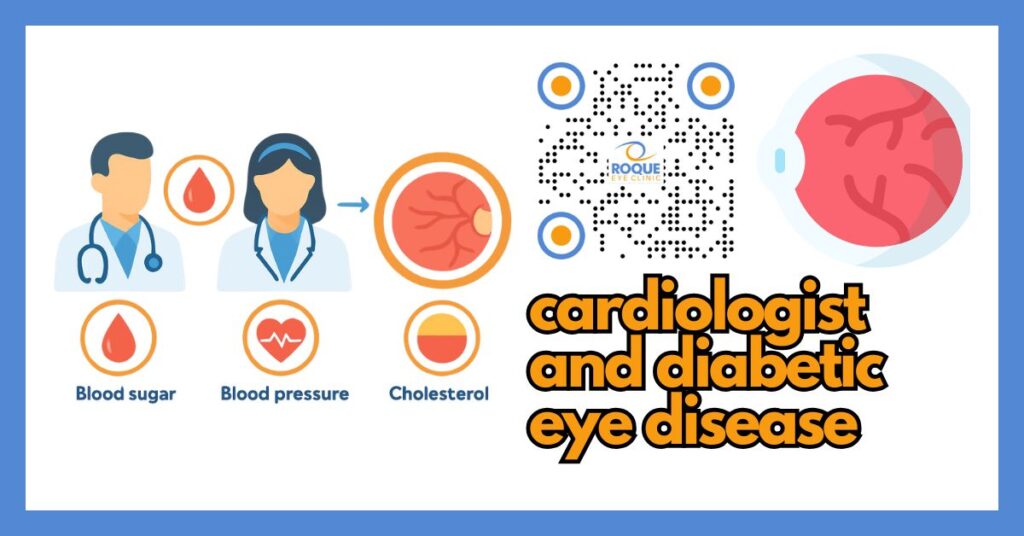
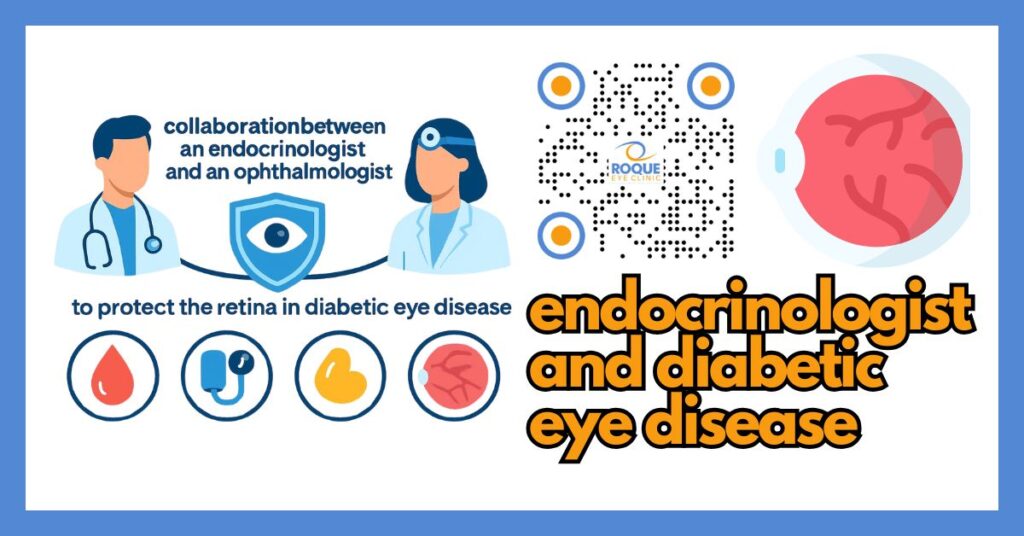
Eye treatment works best when the whole patient is treated, not just the retina. Better control of blood sugar, blood pressure, and cholesterol lowers risk and supports better outcomes. Coordination with internists, endocrinologists, and other physicians is often important.
Explore treatment details in Anti-VEGF for Diabetic Macular Edema, Laser Treatment for Diabetic Retinopathy, and Vitrectomy for Diabetic Retinopathy.
How to Protect Your Vision
Prevention is not just about one eye appointment. It is a long-term plan that combines eye care and diabetes care.
- Keep blood sugar as stable as possible over time
- Control blood pressure and cholesterol
- Schedule routine dilated eye examinations even if vision feels normal
- Seek care early for blur, floaters, flashes, or sudden changes
- Follow through with treatment if retinopathy or macular edema is diagnosed
Patients often ask whether “good vision” means “healthy eyes.” Unfortunately, not always. Early retinopathy can be silent. That is why routine screening is so powerful: it finds disease before symptoms force the issue.
Continue Reading
- Understanding the Stages of Diabetic Retinopathy
- Diabetic Macular Edema Explained
- Anti-VEGF Injections for Diabetic Macular Edema
- Laser Treatment for Diabetic Retinopathy
- Diabetic Eye Treatment Cost in the Philippines
🏁 Take-Home Message
Diabetic eye disease is common, serious, and often silent in the beginning. However, it is also one of the most preventable causes of blindness when detected early and treated on time.
If you live with diabetes, do not wait for symptoms before seeing an eye doctor. A regular dilated retinal examination, along with good diabetes control, gives you the best chance to protect your vision for the long term.
❓ Frequently Asked Questions
What is diabetic eye disease?
Diabetic eye disease is a group of eye problems caused by diabetes, especially damage to the retina and its blood vessels.
Can diabetic eye disease start without symptoms?
Yes. Early diabetic retinopathy may cause no symptoms, which is why regular dilated eye examinations are important.
What are the most important warning signs?
Blurred vision, floaters, flashes of light, wavy lines, and sudden vision loss are all warning signs that need prompt evaluation.
Can diabetic eye disease be treated?
Yes. Treatments may include anti-VEGF injections, laser therapy, vitrectomy surgery, and better systemic diabetes control.
How often should a person with diabetes have an eye exam?
Many adults with diabetes need at least a yearly dilated eye examination, but people with active disease may need more frequent follow-up.
Does controlling blood sugar really help the eyes?
Yes. Better long-term control of blood sugar, blood pressure, and cholesterol helps reduce the risk of retinal damage and vision loss.
📚 References
- American Academy of Ophthalmology. Diabetic Retinopathy Preferred Practice Pattern.
- American Diabetes Association. Standards of Care in Diabetes — Retinopathy, Neuropathy, and Foot Care.
- National Eye Institute. Diabetic Retinopathy.
- DRCR Retina Network and related randomized clinical trial evidence on diabetic macular edema treatment.
- Peer-reviewed literature on diabetic retinopathy, diabetic macular edema, and anti-VEGF treatment strategies.
🤝 Roque Eye Clinic Patient Education Series
Reviewed by the Roque Advisory Council
Dr Manolette Roque | Dr Barbara Roque
St Luke’s Medical Center Global City | Asian Hospital Medical Center
Philippines
Medical Review: Roque Advisory Council
Last Updated: March 2026
This article is intended for educational purposes only and does not replace professional medical consultation.
BOOK AN APPOINTMENT
It takes less than 5 minutes to complete your online booking. Alternatively, you may call our BGC Clinic, or our Alabang Clinic for assistance.