

Diabetes Control and Eye Health
🤖 Quick Answer: Good diabetes control helps protect your eyes because high blood sugar, high blood pressure, and unhealthy cholesterol can damage retinal blood vessels over time. Better control lowers the chance of diabetic retinopathy progressing, supports treatment results, and reduces the risk of vision-threatening complications such as macular edema, bleeding, and severe vision loss.
Many patients ask a simple question: “If I control my diabetes well, will it help my eyes?” The answer is yes. Eye disease from diabetes does not depend on eye drops alone. It is closely linked to your day-to-day sugar control, your blood pressure, your cholesterol, your kidney health, and how regularly you attend eye examinations.
This guide explains how diabetes control affects eye health, why systemic control matters so much, and what practical steps help protect vision for the long term.
🧩 Focus: How blood sugar, blood pressure, and cholesterol control influence diabetic eye disease
👁 Goal: Help patients understand why systemic diabetes care directly affects retinal health and vision outcomes
🛡 Evidence-Based: Preferred Practice Patterns • Standards of Care • Systematic Reviews • Meta-Analyses
🧠 Diabetic Eye Disease Knowledge Hub
Start with the complete guide:
Diabetic Eye Disease: The Complete Patient Guide
📘 Retina Terminology Glossary
Retina — The light-sensitive tissue lining the back of the eye.
Macula — The central retina responsible for fine, detailed vision.
Retinal blood vessels — Tiny blood vessels nourish the retina. Diabetes can weaken these vessels, make them leak, or cause them to close off.
Diabetic retinopathy — Damage to retinal blood vessels caused by diabetes.
Macular edema — Swelling of the macula from fluid leakage.
Vitreous — The gel filling the inside of the eye.
🔎 Quick Navigation
- How diabetes control affects the eyes
- Blood sugar and retinal damage
- Blood pressure and eye health
- Cholesterol, fats, and the retina
- Daily habits that protect vision
- Monitoring and follow-up
- When vision changes need urgent attention
Related Reading
- Diabetic Eye Disease: The Complete Patient Guide
- Diabetes Targets and Eye Health
- How to Prevent Diabetic Blindness
- Diabetic Eye Exam Schedule
- Diabetic Retinopathy Stages
📌 Key Learning Points
- Better diabetes control helps protect the small blood vessels that feed the retina.
- Eye protection is not only about blood sugar. Blood pressure and cholesterol matter too.
- Good systemic control can lower the risk of diabetic retinopathy worsening and can support treatment outcomes.
- Even if vision feels normal, regular dilated eye examinations remain essential.
- Sudden blur, new floaters, flashes, or a curtain-like shadow need urgent eye evaluation.
👁 How Diabetes Control Affects the Eyes
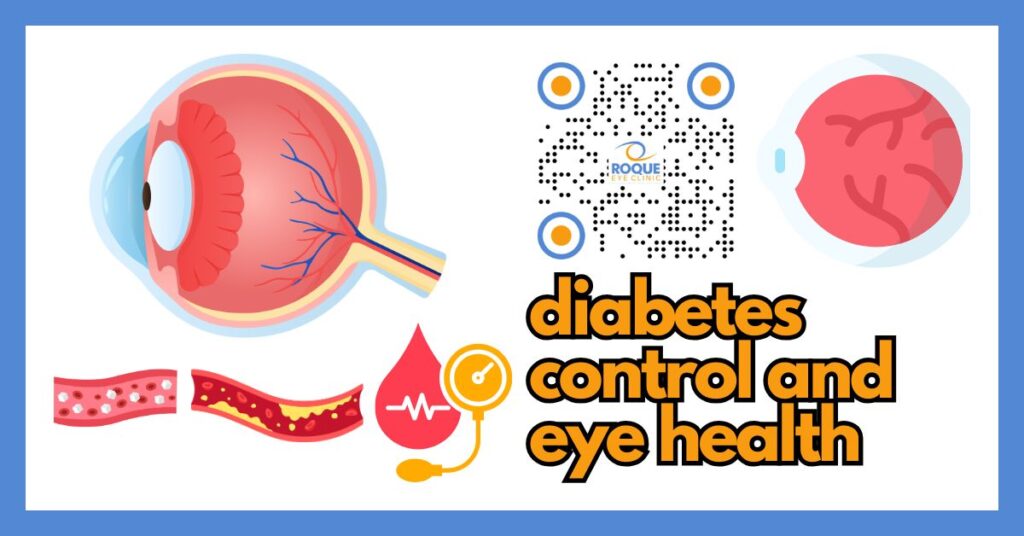
Diabetes affects the eyes mainly by damaging the tiny blood vessels inside the retina. Over time, too much sugar in the bloodstream injures these delicate vessels. They may leak fluid, close off, or grow in an abnormal and fragile way. This process can lead to diabetic retinopathy and diabetic macular edema.
The important point is this: diabetic eye disease is not caused only by “having diabetes.” It is also affected by how well the condition is controlled over time. Better control cannot erase every risk, but it can meaningfully reduce the chance of damage progressing and can improve the odds of keeping useful vision.
👀 Blood Sugar and Retinal Damage
High blood sugar is the main driver of diabetic retinal damage. When glucose stays elevated over long periods, it stresses blood vessel walls and harms the cells that normally keep retinal circulation healthy. This can lead to microaneurysms, leakage, swelling, hemorrhages, and loss of oxygen supply to retinal tissue.
In practical terms, better glucose control helps because it lowers the burden of chronic injury on the retina. Patients often think only about the glucose reading they saw today or this week. However, the retina “remembers” long-term exposure. That is why doctors pay attention not just to spot checks, but also to longer-term diabetes patterns and follow-up trends. :contentReference[oaicite:1]{index=1}
Good control does not mean perfection every day. It means working steadily with your physician to reduce wide swings, improve long-term stability, and follow a realistic treatment plan. This may include medications, nutrition changes, physical activity, sleep improvement, and regular monitoring.
Why stable control matters
- It reduces stress on retinal blood vessels.
- It lowers the risk of fluid leakage into the macula.
- It can slow progression from early retinopathy to more severe disease.
- It supports better outcomes if injections, laser, or surgery are needed later.
Blood Pressure and Eye Health
Many patients focus on sugar and forget the role of blood pressure. Yet blood pressure strongly affects the same tiny retinal vessels already stressed by diabetes. If the pressure inside those vessels stays too high, leakage and damage become more likely.
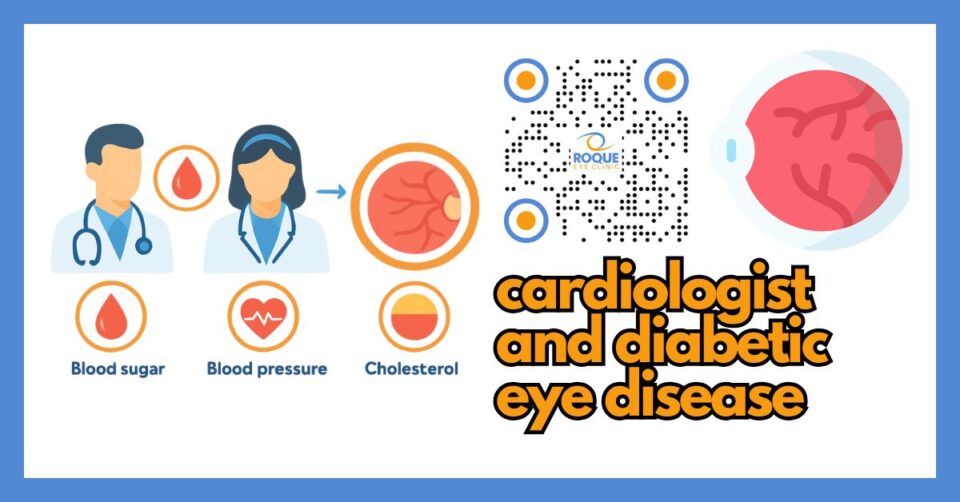
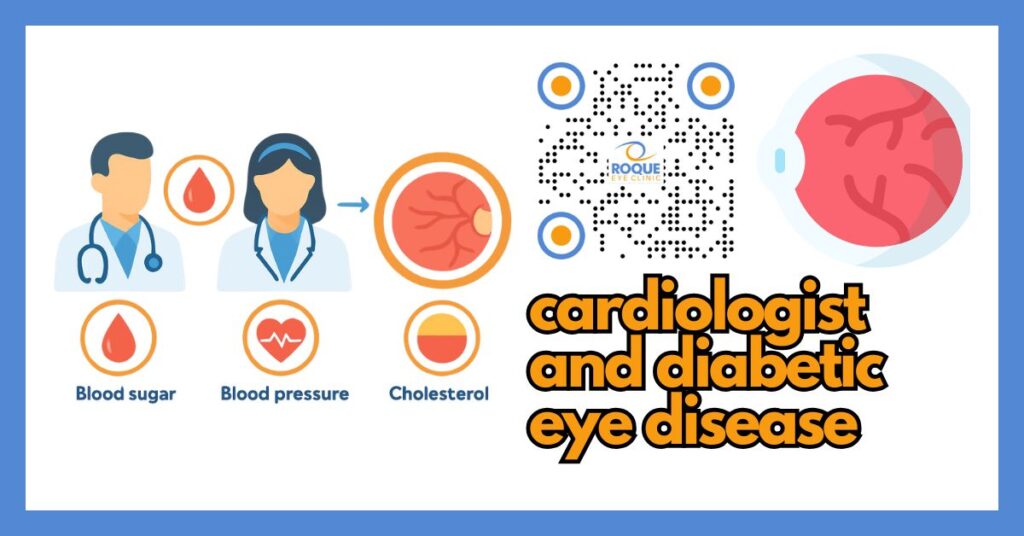
That is why diabetic eye protection is not just an endocrinology issue. It is also a cardiovascular issue. The ADA 2026 Standards of Care continue to emphasize blood pressure management as part of overall diabetes risk reduction, and the AAO diabetic retinopathy guidance highlights the value of controlling blood pressure, lipids, and glucose together. :contentReference[oaicite:2]{index=2}
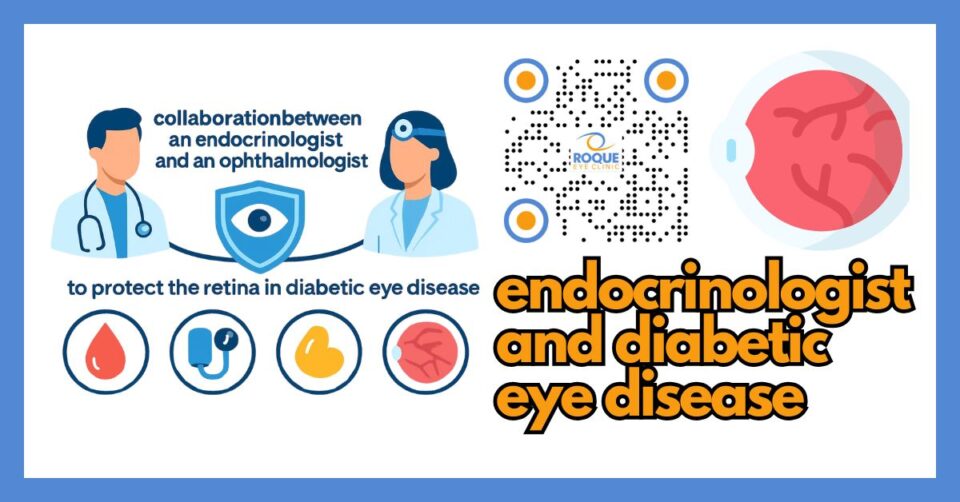
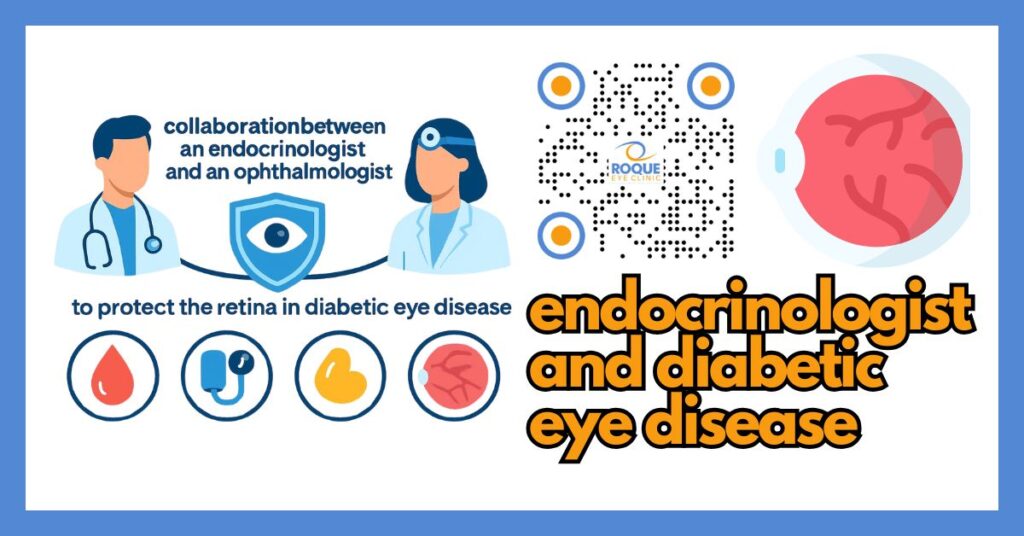
From a patient standpoint, this means your retina specialist and your primary physician are working toward the same goal. Eye injections or laser can treat the damage already present, but better blood pressure control helps reduce further injury.
Why pressure control matters
- It can reduce stress on already fragile retinal vessels.
- It helps protect the small circulation of the retina and optic nerve.
- It supports long-term control of diabetic eye disease.
Cholesterol, Blood Fats, and the Retina
Cholesterol and other blood fats also matter in diabetic eye disease. Many patients do not immediately connect cholesterol to vision, but the retina is a vascular tissue. Problems in lipid metabolism can be associated with vascular leakage and retinal changes.
The AAO Preferred Practice Pattern notes the value of controlling serum lipid levels alongside glucose and blood pressure in patients with diabetic retinopathy. NEI educational materials also tell patients that controlling blood cholesterol is part of slowing or preventing diabetic retinal damage. :contentReference[oaicite:3]{index=3}
This does not mean every patient with retinal disease needs the same cholesterol treatment. It means lipid management is part of the big picture. Your internist, endocrinologist, or cardiologist may recommend diet changes, exercise, weight control, or medications depending on your overall risk profile.
💊 Daily Habits That Help Protect Vision
Patients often ask what they can actually do at home. The truth is that the “boring basics” matter a lot. Eye health improves when your everyday habits support good diabetes control.
Practical habits that support retinal health
- Take medications regularly instead of waiting until numbers worsen.
- Follow your meal plan consistently, not only before checkups.
- Stay physically active in a way your doctor says is safe for you.
- Monitor blood pressure and understand your targets.
- Address cholesterol and triglycerides with your physician.
- Keep follow-up appointments with both your diabetes doctor and your eye doctor.
These steps may not feel dramatic, but over the months and years they can influence how much retinal damage develops and how well treatments work.
🧪 Monitoring and Follow-Up
Good diabetes control does not replace eye exams. A patient may have excellent effort and still develop retinal changes. That is why control and screening must work together.
Doctors use tools such as the following:
- Dilated retinal examination to directly examine the retina
- Optical coherence tomography (OCT) to check for macular swelling
- Retinal imaging to document changes over time
- Fluorescein angiography in selected cases to study retinal leakage or ischemia
These tests help answer practical questions: Is the disease stable? Is swelling developing? Is treatment working? Is follow-up needed sooner? For many patients, control of diabetes and regular imaging work hand in hand.
Related reads: Dilated Eye Exam vs Imaging, OCT for Diabetic Macular Edema, Diabetic Eye Exam Schedule
🚨 When Vision Changes Need Urgent Attention
Good chronic control is important, but some symptoms still need immediate eye care. Do not wait for your next routine follow-up if you notice sudden changes.
Seek urgent eye evaluation if you develop sudden vision loss, a new shower of floaters, flashes of light, or a curtain-like shadow across your vision. These symptoms may signal retinal bleeding, retinal detachment, or another vision-threatening complication.
Good diabetes control lowers risk, but it does not guarantee that urgent problems cannot happen. Fast treatment can make a major difference when complications are caught early.
Continue Reading
- Diabetes Targets and Eye Health
- How to Prevent Diabetic Blindness
- Diabetic Eye Exam Schedule
- Diabetic Retinopathy Stages
- Why Your Endocrinologist Matters in Diabetic Eye Disease
🏁 Take-Home Message
Diabetes control and eye health are tightly connected. Better control of blood sugar, blood pressure, and cholesterol helps protect the retina and can lower the risk of diabetic eye disease getting worse.
Even so, control does not replace eye exams. The safest plan is simple: work closely with your diabetes doctor, keep your eye appointments, and seek urgent help if vision suddenly changes.
❓ Frequently Asked Questions
Can good diabetes control really help protect my eyes?
Yes. Better control of blood sugar, blood pressure, and cholesterol helps reduce stress on retinal blood vessels and can lower the chance of diabetic eye disease worsening.
If my sugar improves, will diabetic retinopathy disappear?
Not always. Better control can slow progression and support treatment, but existing retinal damage may still need monitoring or treatment.
Is eye protection only about blood sugar?
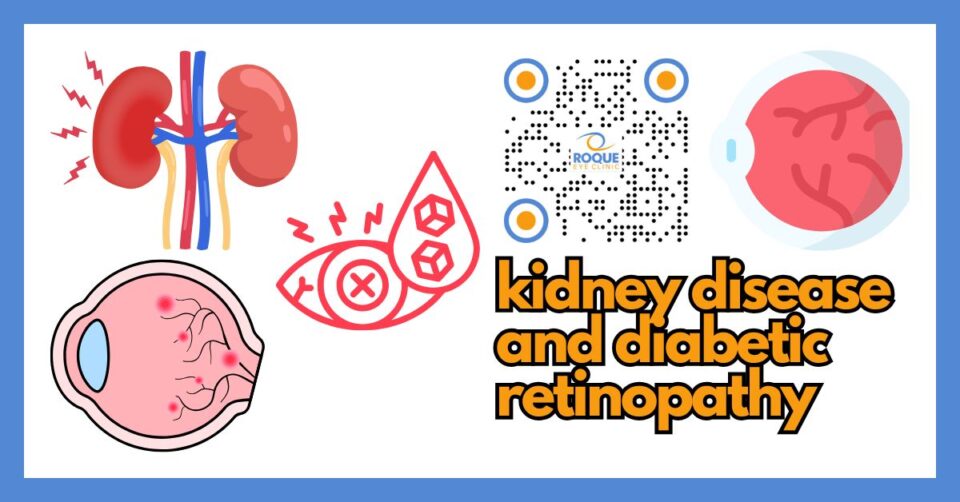
No. Blood pressure, cholesterol, kidney health, and regular eye follow-up also play important roles in protecting vision.
Do I still need eye exams if my diabetes is well controlled?
Yes. Good control lowers risk, but it does not remove the need for regular dilated eye examinations.
What symptoms should make me seek urgent eye care?
Sudden vision loss, new floaters, flashes of light, or a curtain-like shadow across vision need urgent evaluation.
📚 References
- American Academy of Ophthalmology. Diabetic Retinopathy Preferred Practice Pattern.
- American Diabetes Association. Standards of Care in Diabetes—2026.
- National Eye Institute. Diabetic Retinopathy.
- National Eye Institute. Don’t Lose Sight of Diabetic Eye Disease.
- DRCR Retina Network and related peer-reviewed diabetic retinopathy studies.
🤝 Roque Eye Clinic Patient Education Series
Reviewed by the Roque Advisory Council
Dr Manolette Roque | Dr Barbara Roque
St Luke’s Medical Center Global City | Asian Hospital Medical Center
Philippines
Medical Review: Roque Advisory Council
Last Updated: March 2026
This article is intended for educational purposes only and does not replace professional medical consultation.
BOOK AN APPOINTMENT
It takes less than 5 minutes to complete your online booking. Alternatively, you may call our BGC Clinic, or our Alabang Clinic for assistance.