

Vabysmo for Diabetic Macular Edema: What Patients Need to Know
🤖 Quick Answer: Vabysmo for diabetic macular edema is an anti-VEGF eye injection used to reduce retinal swelling and help protect or improve vision. It is given by a retina specialist, usually starting monthly before the interval is adjusted. It does not cure diabetes, but it can control diabetic macular edema when follow-up is consistent.
If you have been told that you need Vabysmo for diabetic macular edema, it is natural to ask what the medicine does, how often you may need injections, and whether it can really help protect your vision.
This guide explains Vabysmo in simple, patient-friendly language. It covers what the drug treats, how the injection process usually works, what benefits doctors look for, what risks matter most, and how Vabysmo fits into the bigger treatment plan for diabetic macular edema.
🧩 Focus: Vabysmo (faricimab-svoa) for diabetic macular edema
👁 Goal: Help patients understand what Vabysmo is, how it is used, and what to expect from treatment
🛡 Evidence-Based: Preferred Practice Patterns • Standards of Care • Systematic Reviews • Meta-Analyses
🧠 Diabetic Eye Disease Knowledge Hub
Start with the complete guide:
Diabetic Eye Disease: The Complete Patient Guide
🔎 Quick Navigation
- What Is Vabysmo?
- Who May Benefit from Vabysmo?
- How Vabysmo Works
- How Often Are Injections Given?
- What Happens During an Injection Visit?
- Expected Benefits
- Risks and Side Effects
- Vabysmo vs Other DME Treatments
- Questions to Ask Your Retina Specialist
Related Reading
- Diabetic Eye Treatment in the Philippines
- Diabetic Macular Edema Explained
- Anti-VEGF for Diabetic Macular Edema
- What Happens During an Anti-VEGF Injection Procedure?
- How Anti-VEGF Treatment Schedules Work
- Eylea for Diabetic Macular Edema
📌 Key Learning Points
- Vabysmo is an intravitreal eye injection used to treat diabetic macular edema (DME), a diabetes-related swelling in the center of the retina.
- It helps reduce retinal fluid, stabilize vision, and in many patients improve vision over time.
- Most patients start with a more intensive early schedule before the doctor adjusts the interval based on response.
- Treatment success depends not only on the drug, but also on consistent follow-up and good diabetes control.
- Like all injections inside the eye, it carries important but uncommon risks, so warning symptoms after treatment must be taken seriously.
👁 What Is Vabysmo?
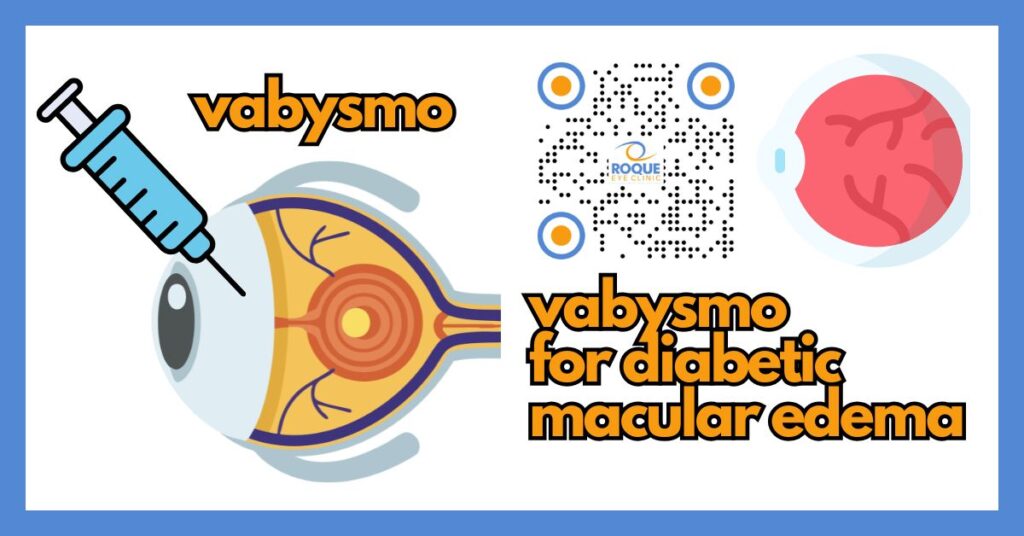
Vabysmo is the brand name for faricimab-svoa, a prescription medicine that a retina specialist injects into the eye to treat certain retinal diseases, including diabetic macular edema (DME).
DME happens when diabetes damages the tiny blood vessels inside the retina and allows fluid to leak into the macula, the part of the retina responsible for sharp reading and driving vision. When the macula swells, central vision may become blurry, distorted, or washed out.
Vabysmo belongs to the family of anti-VEGF retinal injections. These medicines aim to reduce swelling, leakage, and abnormal blood vessel activity inside the eye. Your doctor may recommend Vabysmo when OCT scans show macular swelling that is affecting—or may soon affect—vision.
👀 Who May Benefit from Vabysmo?
Vabysmo is not for every person with diabetes. It is usually considered when a patient has:
- Diabetic macular edema confirmed on retinal examination and OCT imaging
- Blurred or reduced central vision linked to macular swelling
- Center-involving DME or swelling that threatens central vision
- A need for anti-VEGF treatment as part of a retina specialist’s treatment plan
Some patients are treatment-naive, meaning this is their first retinal injection. Others may have received a different anti-VEGF medication previously and are being switched because of anatomy, durability, access, or physician preference.
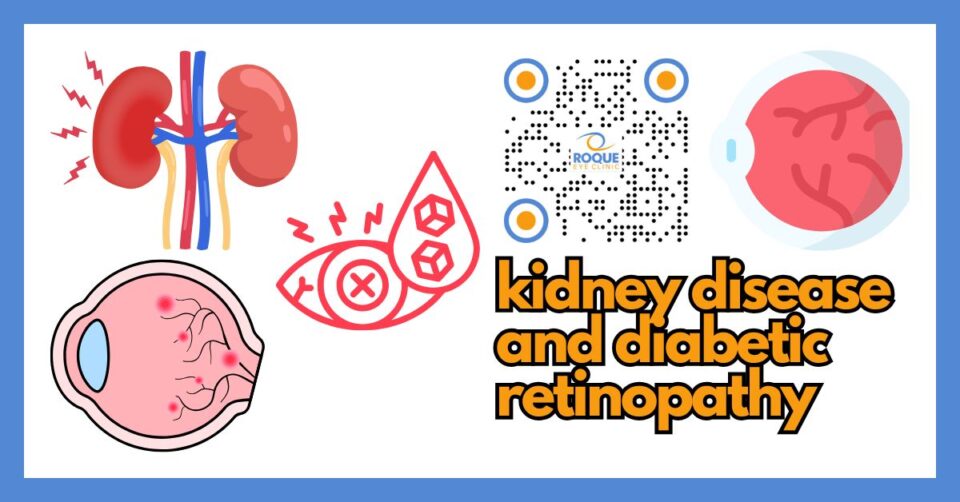
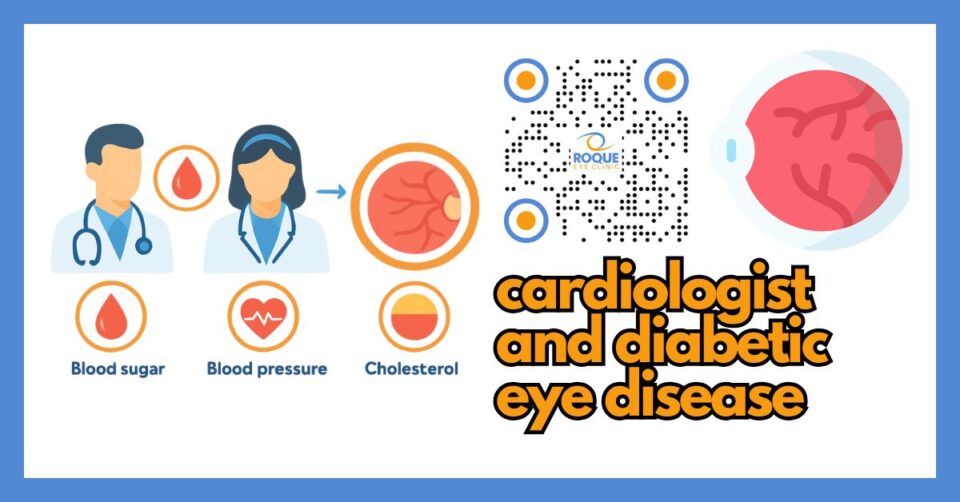
Vabysmo is generally part of a broader retina treatment strategy. Your doctor still looks at your blood sugar control, blood pressure, kidney disease status, lipid profile, cataract status, and stage of diabetic retinopathy before recommending long-term treatment.
How Vabysmo Works
In diabetic macular edema, diabetes causes inflammation, vascular leakage, and biochemical signaling that makes retinal vessels more “leaky.” Vabysmo is designed to block important pathways involved in that process.
For patients, the practical meaning is simple: the injection is intended to help the retina become less swollen, less wet, and more stable over time.
Your doctor is usually watching for three things after treatment:
- Less retinal fluid on OCT scan
- Stable or improved vision
- Longer interval between injections, when possible
Not every eye responds the same way. Some eyes dry quickly. Others improve more gradually and may still need regular treatment.
🧪 How Often Are Injections Given?
One of the most common patient questions is: “How often will I need Vabysmo?”
The honest answer is that it depends on how your retina responds. In real practice, most patients start with a loading phase, meaning a more frequent early treatment schedule. After that, the interval may be adjusted depending on the retina’s anatomy, vision, and recurrence of swelling.
Your retina specialist may use one of the following approaches:
- Fixed early loading followed by extension if the retina stays dry
- Treat-and-extend, where the doctor gradually increases the gap between injections if the eye remains stable
- Response-based dosing, where OCT and vision findings determine when retreatment is needed
Patients often feel disappointed when they hear they may need multiple injections. However, diabetic macular edema is a chronic retinal disease. The goal is not a one-time “quick fix.” The goal is durable control of swelling and better long-term vision protection.
Learn more here: How Anti-VEGF Treatment Schedules Work.
💊 What Happens During a Vabysmo Injection Visit?
Many patients fear the idea of an eye injection more than the disease itself. Fortunately, the actual visit is usually fast and highly structured.
Before the injection
- Your vision may be checked
- Your eye pressure may be reviewed if needed
- Your retina specialist may look at your OCT scan or perform a dilated retinal exam
- The eye is cleaned carefully to reduce infection risk
- Numbing drops or anesthetic are used
During the injection
- A small eyelid holder may be used
- The injection itself usually takes only a few seconds
- Most patients feel pressure or a brief pinch more than actual pain
After the injection
- You may have mild irritation, tearing, redness, or a scratchy sensation
- You may notice a small blood spot on the white of the eye
- Your vision may be briefly blurry for the rest of the day
Detailed step-by-step explanation: What Happens During an Anti-VEGF Injection Procedure?.
Expected Benefits
Patients often ask, “Will Vabysmo make my vision normal again?” The more accurate expectation is this: Vabysmo may help improve vision, reduce retinal swelling, and prevent further loss, but the degree of recovery depends on how damaged the retina already is.
The benefits retina specialists usually monitor include:
- Improvement in blurred central vision
- Reduction of retinal thickness and fluid on OCT
- More stable reading and driving vision
- Potentially longer intervals between injections in selected patients
Some patients notice improvement after early injections. Others improve slowly over several visits. In long-standing DME, vision may stabilize before it significantly improves. Even that is valuable, because preventing further retinal damage is an important success.
If your retina specialist says the eye is “drier” but your vision is not yet dramatically better, that does not necessarily mean treatment has failed. It may mean the medicine is doing its job anatomically while the retina still needs time—or may have old damage limiting visual recovery.
🚨 Risks and Side Effects
Every intravitreal injection has risks, and patients deserve a clear explanation. Most visits are uneventful, but serious complications can happen.
Possible side effects and risks may include:
- Mild irritation or redness after the injection
- Small conjunctival hemorrhage (a blood spot on the white of the eye)
- Temporary eye pressure rise
- Inflammation inside the eye
- Retinal tear or retinal detachment
- Endophthalmitis (a serious eye infection)
Call your retina specialist or seek urgent eye care immediately if your eye becomes increasingly painful, very red, very light-sensitive, or if you notice a major drop in vision after the injection. These symptoms can indicate infection, inflammation, or retinal complications and should never be ignored.
Also remember that retinal specialists consider your overall medical status. In patients with major cardiovascular history, treatment planning may require balanced discussion with the rest of the medical team—not because Vabysmo is automatically unsafe, but because diabetic patients often have multiple health issues that must be considered together.
Vabysmo vs Other DME Treatments
Vabysmo is only one of several treatments used for diabetic macular edema. Others include:
- Eylea
- Lucentis
- Avastin
- Ozurdex
- Focal laser in selected cases
Your retina specialist may choose Vabysmo because:
- the anatomy suggests it is a good anti-VEGF option,
- there is a goal of retinal drying with treatment intervals adjusted over time,
- your prior treatment response suggests a switch may be reasonable, or
- coverage, access, and practice logistics make it an appropriate choice.
A “best injection” does not exist for every patient. The best treatment is the one that matches the retina findings, vision goals, follow-up ability, medical context, and practical access.
Questions to Ask Your Retina Specialist
If Vabysmo has been recommended, these are reasonable questions to ask:
- Is my DME center-involving?
- How much swelling do I have on OCT?
- What visual improvement is realistic in my case?
- How many early injections do you expect I may need?
- What symptoms after injection should make me call urgently?
- If Vabysmo does not work well enough, what would be the next option?
Patients who ask good questions usually understand the plan better and are more likely to stay consistent with follow-up.
Continue Reading
- Diabetic Eye Treatment in the Philippines
- Anti-VEGF for Diabetic Macular Edema
- What Happens During an Anti-VEGF Injection Procedure?
- How Anti-VEGF Treatment Schedules Work
- Diabetic Macular Edema Explained
- Eylea for Diabetic Macular Edema
🏁 Take-Home Message
Vabysmo is a modern treatment option for diabetic macular edema, but it works best when expectations are realistic and follow-up is consistent. The injection can reduce retinal swelling, protect vision, and sometimes improve vision, but it is usually part of an ongoing treatment plan rather than a one-time cure.
If your doctor recommends Vabysmo, ask about your expected injection schedule, your OCT results, and the warning symptoms that should prompt urgent review after treatment.
❓ Frequently Asked Questions
Is Vabysmo a cure for diabetic macular edema?
No. Vabysmo does not cure diabetes or permanently eliminate the risk of retinal swelling. It is a treatment used to control diabetic macular edema and help protect vision over time.
How painful is a Vabysmo injection?
Most patients describe pressure or a brief pinch rather than severe pain. Numbing drops or anesthetic are used before the injection.
How soon can Vabysmo improve vision?
Some patients notice improvement early, while others improve more gradually. In some eyes, the first benefit is reduced retinal swelling on OCT rather than immediate dramatic visual improvement.
How often will I need Vabysmo?
Treatment usually starts more frequently and then may be adjusted depending on your retina’s response. Your OCT scan and vision help determine the schedule.
What should I watch for after the injection?
Mild redness or irritation can happen, but increasing pain, light sensitivity, worsening redness, or a major drop in vision after the injection needs urgent medical attention.
Can I switch to Vabysmo from another retinal injection?
In some cases, yes. Retina specialists sometimes switch medicines based on anatomy, durability, access, or response. The decision is individualized.
Can blood sugar still affect my eye even if I get Vabysmo?
Yes. Poor blood sugar control can continue to drive diabetic macular edema and diabetic retinopathy. Injections work best as part of a larger diabetes care plan.
📚 References
- American Academy of Ophthalmology. Diabetic Retinopathy Preferred Practice Pattern.
- American Diabetes Association. Standards of Care in Diabetes.
- National Eye Institute. Diabetic Retinopathy and Diabetic Macular Edema educational resources.
- FDA Drug Trials Snapshot: VABYSMO (faricimab-svoa).
- Genentech / Vabysmo official prescribing and patient safety information.
🤝 Roque Eye Clinic Patient Education Series
Reviewed by the Roque Advisory Council
Dr Manolette Roque | Dr Barbara Roque
St Luke’s Medical Center Global City | Asian Hospital Medical Center
Philippines
Medical Review: Roque Advisory Council
Last Updated: March 2026
This article is intended for educational purposes only and does not replace professional medical consultation.
ANIMATION
BOOK AN APPOINTMENT
It takes less than 5 minutes to complete your online booking. Alternatively, you may call our BGC Clinic, or our Alabang Clinic for assistance.