

Pregnancy and Diabetic Retinopathy: What Expectant Mothers Need to Know
🤖 Quick Answer: Pregnancy can make preexisting diabetic retinopathy worsen because hormonal and blood vessel changes place extra stress on the retina. Women with type 1 or type 2 diabetes should have an eye check before pregnancy or early in the first trimester, then receive closer monitoring if retinopathy is already present. Early treatment helps protect vision.
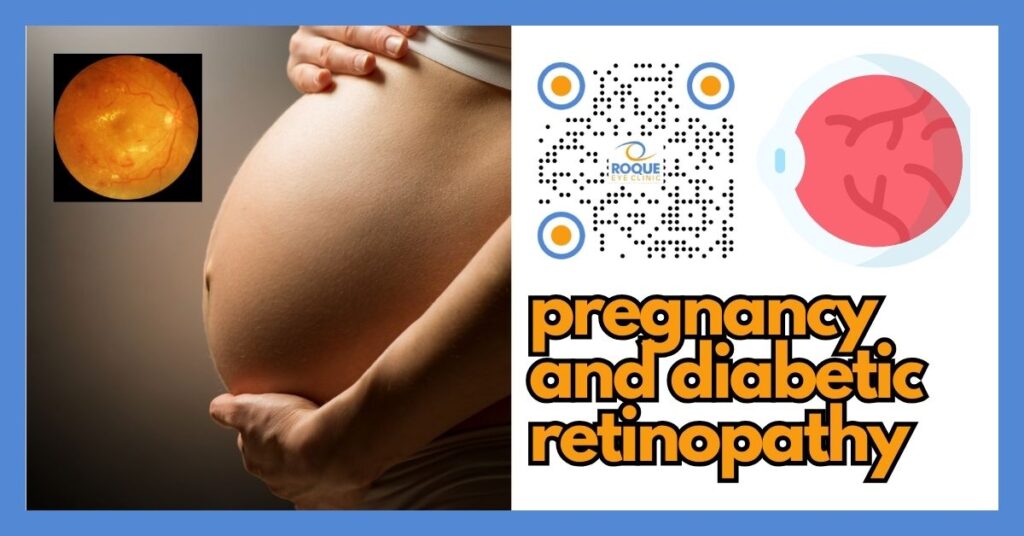
Pregnancy is an exciting season, but it also places extra demands on the body. For women with preexisting diabetes, one important concern is the effect pregnancy can have on the eyes—especially on the retina, the light-sensitive tissue at the back of the eye. During pregnancy, diabetic retinopathy may stay stable, but in some women it can worsen more quickly than expected.
This article explains why pregnancy matters in diabetic retinopathy, who is at higher risk, what warning signs need urgent attention, how often eye checks may be needed, and what treatments may still be used during pregnancy when vision is threatened.
🧩 Focus: Pregnancy and diabetic retinopathy in women with preexisting diabetes
👁 Goal: Protect maternal vision through early retinal assessment, monitoring, and timely treatment
🛡 Evidence-Based: Preferred Practice Patterns • Standards of Care • Systematic Reviews • Meta-Analyses
🧠 Diabetic Eye Disease Knowledge Hub
Start with the complete guide:
Diabetic Eye Disease: The Complete Patient Guide
🔎 Quick Navigation
- What happens to diabetic retinopathy during pregnancy?
- Who is at higher risk of worsening?
- Warning signs you should not ignore
- Eye exam timing during pregnancy
- Treatment during pregnancy
- What happens after delivery?
Related Reading
- Diabetic Eye Disease: The Complete Patient Guide
- Diabetic Eye Exam Schedule
- Diabetic Retinopathy Stages
- Diabetic Macular Edema
- Why Your Endocrinologist Matters
📌 Key Learning Points
- Pregnancy can make preexisting diabetic retinopathy worsen, especially if the retina is already affected before conception.
- Women with type 1 or type 2 diabetes need retinal assessment before pregnancy or early in the first trimester.
- The risk is higher with longer diabetes duration, poor sugar control before pregnancy, hypertension, kidney disease, or moderate-to-severe retinopathy at baseline.
- Gestational diabetes alone usually does not carry the same retinopathy screening requirement as preexisting diabetes.
- Timely monitoring and treatment can protect both maternal vision and pregnancy planning.
👁 What Happens to Diabetic Retinopathy During Pregnancy?
Diabetic retinopathy is damage to the small blood vessels of the retina caused by diabetes. During pregnancy, natural hormonal, metabolic, and circulatory changes can affect those already fragile vessels. As a result, some women experience faster progression of retinal disease while pregnant.
This does not mean every pregnant woman with diabetes will lose vision. Many women go through pregnancy without major retinal problems. However, pregnancy is a well-recognized period when preexisting diabetic retinopathy may worsen, which is why ophthalmologists and obstetric teams take retinal monitoring seriously.
In simple terms, the retina is like delicate wallpaper nourished by tiny pipes. Diabetes weakens those pipes. Pregnancy changes blood flow and body chemistry enough that already stressed vessels may leak more, close off more, or stimulate abnormal new vessel growth.
The most important retinal problems during pregnancy include:
- Progression of non-proliferative diabetic retinopathy (NPDR)
- Development or worsening of proliferative diabetic retinopathy (PDR)
- Worsening diabetic macular edema (DME), which affects reading and central vision
👀 Who Is at Higher Risk of Worsening?
Not all women face the same risk. Some factors make progression during pregnancy more likely.
1) Retinopathy already present before pregnancy
The more advanced the retinopathy is at the start of pregnancy, the higher the chance it may worsen during pregnancy. A woman with mild disease may stay stable, while someone with severe NPDR or PDR needs much closer monitoring.
2) Longer duration of diabetes
The retina is more likely to have cumulative blood vessel damage if diabetes has been present for many years. In general, longer diabetes duration means higher retinal risk.
3) Rapid tightening of blood sugar after conception
Good glucose control remains essential in pregnancy. However, if blood sugar was very high beforehand and then improves very rapidly, retinopathy can transiently worsen in some patients. This is one reason pre-pregnancy planning matters.
4) High blood pressure or preeclampsia
Hypertension adds extra stress to retinal vessels. Blood pressure control is important not only for maternal health and fetal health, but also for retinal protection.
5) Kidney disease
Diabetic kidney disease and diabetic eye disease often travel together. Kidney involvement may signal more widespread small-vessel damage in the body.
6) Type 1 or type 2 diabetes before pregnancy
Women with preexisting diabetes need retinal monitoring. By contrast, women who develop gestational diabetes alone usually do not require pregnancy eye screening specifically for diabetic retinopathy.
🚨 Warning Signs You Should Not Ignore
Sometimes diabetic retinopathy worsens without obvious symptoms. That is why scheduled eye exams are crucial. Still, several symptoms should never be ignored during pregnancy:
- Blurred or fluctuating vision
- New floaters or dark spots
- Wavy or distorted central vision
- A gray curtain or shadow in vision
- Sudden drop in vision
- Flashes of light
Seek urgent ophthalmologic evaluation if you develop a sudden shower of floaters, flashes of light, a dark curtain, or sudden vision loss. These symptoms may suggest vitreous hemorrhage, retinal detachment, or rapidly worsening proliferative disease.
It is important not to dismiss vision changes as “just pregnancy.” Some changes may be mild and temporary, but others can signal true retinal disease that needs urgent treatment.
🧪 When Should Eye Exams Be Done During Pregnancy?
Women with preexisting type 1 or type 2 diabetes should ideally have a retinal assessment before pregnancy or as early as possible in the first trimester. This gives the ophthalmologist a baseline and helps classify risk.
Before conception or early first trimester
The first goal is to document whether retinopathy is absent, mild, moderate, severe, or proliferative, and whether diabetic macular edema is present. That baseline strongly influences follow-up frequency.
During pregnancy
Follow-up depends on findings:
- No retinopathy or minimal changes: monitoring may be less frequent, based on clinician judgment.
- Mild to moderate NPDR: follow-up is usually more frequent than routine annual screening.
- Severe NPDR or proliferative disease: follow-up may be needed every 1 to 3 months.
If retinopathy is seen at the first antenatal retinal assessment, a repeat assessment later in pregnancy is often recommended. In practice, the exact schedule is individualized based on disease stage, macular status, prior laser treatment, and systemic factors.
What tests may be used?
- Dilated retinal examination
- Retinal photography
- Optical Coherence Tomography (OCT) if macular edema is suspected
- Selected additional testing depending on severity and treatment planning
A dilated retinal examination remains especially important. Imaging is useful, but it does not fully replace a proper dilated eye evaluation when treatment decisions are being made.
💊 Can Diabetic Retinopathy Be Treated During Pregnancy?
Yes—when vision or retinal health is at risk, treatment may still be necessary during pregnancy. The treatment plan is individualized because doctors must weigh maternal vision protection together with pregnancy safety considerations.
Laser treatment
Retinal laser, especially panretinal photocoagulation (PRP), remains a major treatment for proliferative diabetic retinopathy. If high-risk proliferative changes are present, delaying treatment can endanger vision. In many cases, laser is considered an important and appropriate option during pregnancy.
Anti-VEGF injections
These injections are important in diabetic macular edema and some proliferative disease patterns outside pregnancy. During pregnancy, however, use requires careful discussion because treatment decisions must consider fetal exposure concerns and available alternatives. The treating retina specialist and obstetric team should coordinate closely.
Steroid options
In selected cases of macular edema, steroid-based retinal treatment may be considered, but this is highly individualized and depends on disease pattern, pregnancy timing, and overall risk-benefit assessment.
Vitrectomy surgery
If severe complications occur—such as non-clearing vitreous hemorrhage or tractional retinal detachment—vitrectomy may be necessary to protect or restore vision. Surgery during pregnancy is uncommon but can be justified when visual stakes are high.
Systemic control remains essential
Eye treatment is only one part of care. Good glucose control, blood pressure control, and multidisciplinary coordination with obstetrics, endocrinology, and sometimes nephrology are all important.
What Happens After Delivery?
Delivery does not instantly erase pregnancy-related retinal risk. Some women stabilize after childbirth, while others need continued follow-up in the postpartum period. If retinopathy worsened during pregnancy, your ophthalmologist will usually continue monitoring until the retina is clearly stable.
Postpartum follow-up matters because:
- retinopathy may remain active after delivery
- macular edema may still affect central vision
- treatment decisions sometimes change after pregnancy ends
This means the safest mindset is: do not stop eye follow-up just because the baby has been delivered.
Continue Reading
- Diabetic Eye Disease: The Complete Patient Guide
- Diabetic Retinopathy Stages
- Diabetic Macular Edema
- Endocrinologist and Diabetic Eye Disease
- Kidney Disease and Diabetic Retinopathy
🏁 Take-Home Message
Pregnancy can worsen preexisting diabetic retinopathy, so eye care should be part of prenatal planning—not an afterthought.
If you have type 1 or type 2 diabetes and are pregnant or planning pregnancy, arrange a retinal assessment before conception or early in the first trimester, keep follow-up appointments, and report any sudden vision change right away.
❓ Frequently Asked Questions
Does pregnancy cause diabetic retinopathy?
Pregnancy does not create diabetic retinopathy from nothing, but it can make preexisting diabetic retinopathy progress faster.
Do women with gestational diabetes need eye screening for retinopathy during pregnancy?
Usually no. The main retinal concern applies to women with preexisting type 1 or type 2 diabetes.
When should a pregnant woman with diabetes have an eye exam?
Ideally before pregnancy or early in the first trimester, followed by monitoring based on retinal findings.
Can laser be done during pregnancy?
Yes. When proliferative diabetic retinopathy threatens vision, laser treatment may still be recommended during pregnancy.
Can diabetic macular edema worsen during pregnancy?
Yes. Swelling in the macula can worsen and may cause blurred or distorted central vision.
Will retinopathy automatically improve after delivery?
Not always. Some women stabilize postpartum, but others still need close follow-up and treatment.
📚 References
- American Diabetes Association. Standards of Care in Diabetes — Management of Diabetes in Pregnancy.
- American Diabetes Association. Standards of Care in Diabetes — Retinopathy, Neuropathy, and Foot Care.
- American Academy of Ophthalmology. Diabetic Retinopathy Preferred Practice Pattern.
- NICE Guideline: Diabetes in Pregnancy — retinal assessment recommendations.
- NICE Guideline: Diabetic Retinopathy — management and monitoring.
🤝 Roque Eye Clinic Patient Education Series
Reviewed by the Roque Advisory Council
Dr Manolette Roque | Dr Barbara Roque
St Luke’s Medical Center Global City | Asian Hospital Medical Center
Philippines
Medical Review: Roque Advisory Council
Last Updated: March 2026
This article is intended for educational purposes only and does not replace professional medical consultation.
ANIMATION
BOOK AN APPOINTMENT
It takes less than 5 minutes to complete your online booking. Alternatively, you may call our BGC Clinic, or our Alabang Clinic for assistance.