



March 10, 2026
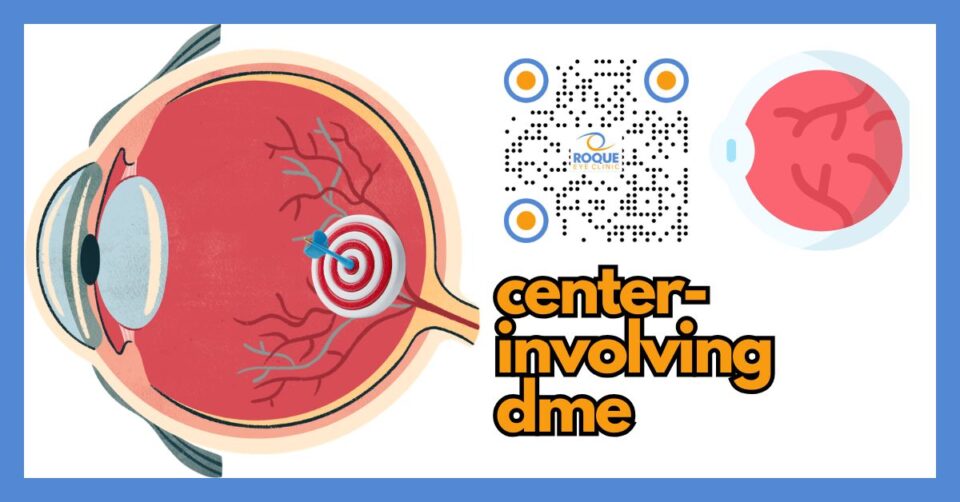
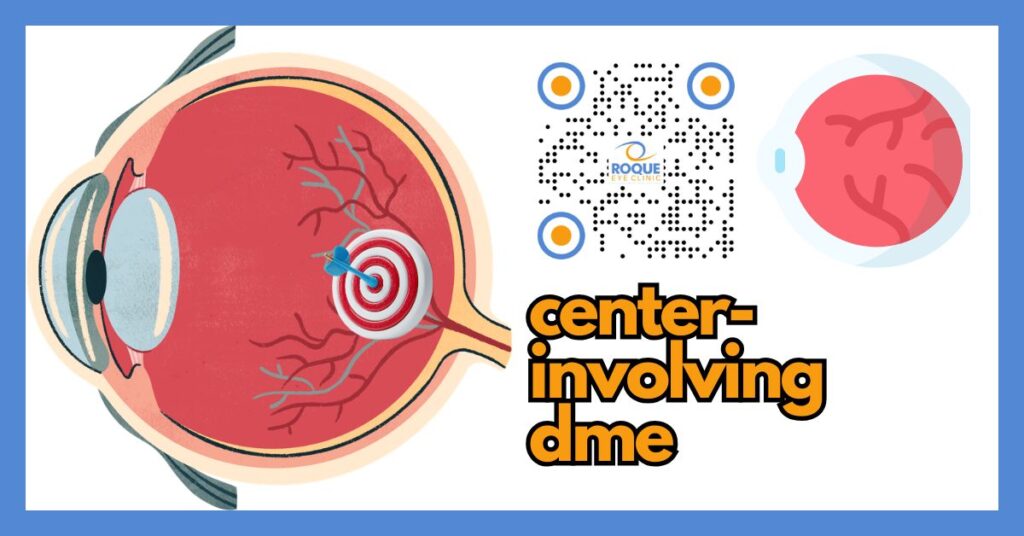
Center-involving DME means diabetic swelling has reached the center of the macula. Learn what this means for your vision, how OCT confirms it, and what treatment options may help.
March 10, 2026
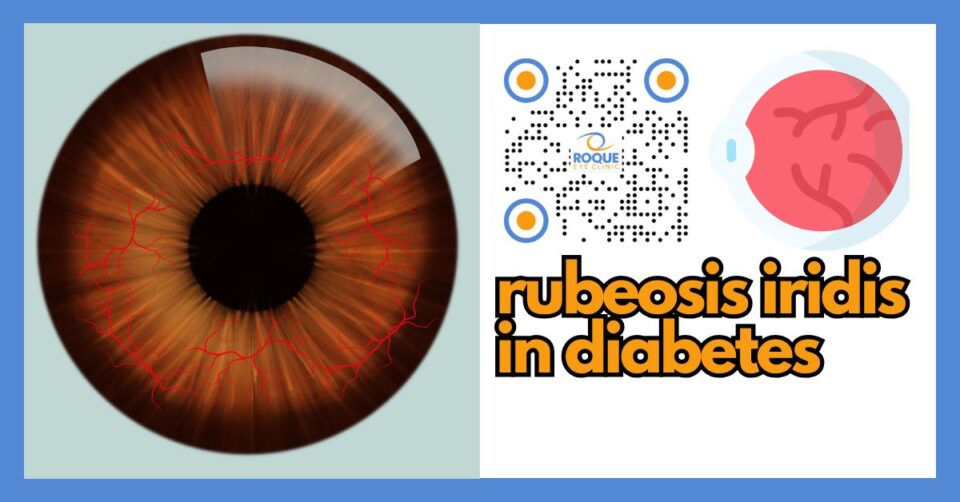
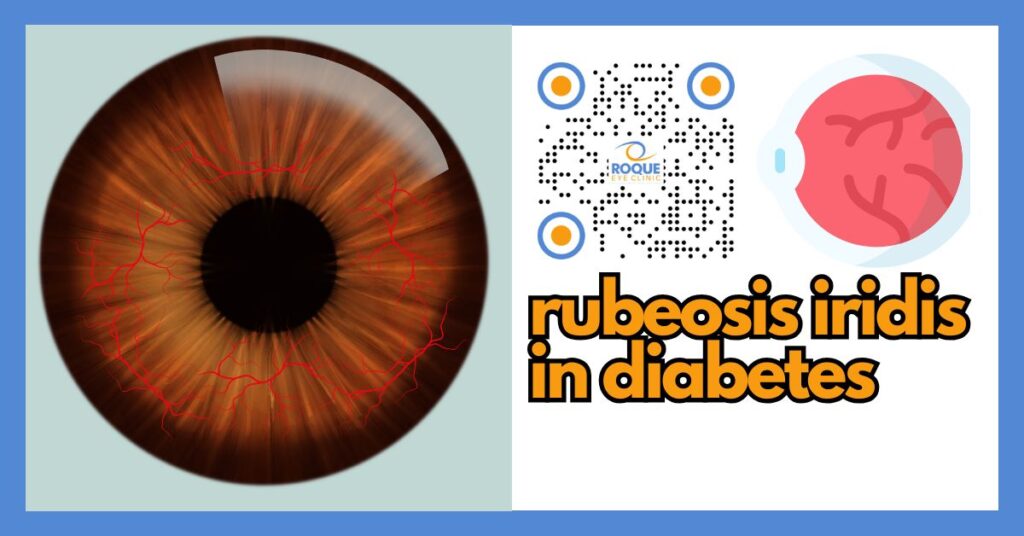
Rubeosis iridis in diabetes can warn of severe retinal ischemia and future neovascular glaucoma. Learn the symptoms, urgency, and treatments that help protect vision.
March 10, 2026

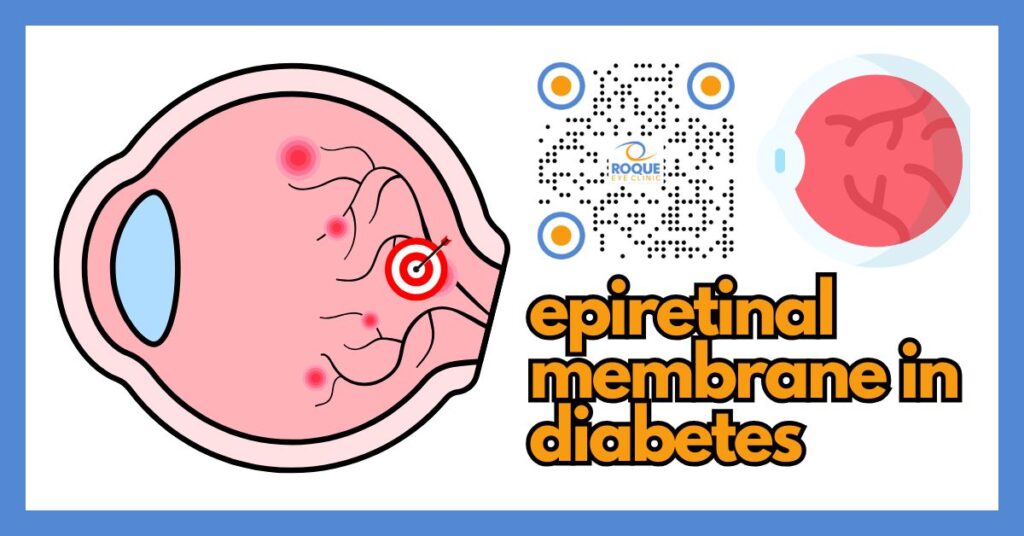
An epiretinal membrane in diabetes is scar-like tissue on the retinal surface that can pull on the macula and distort vision. Learn the symptoms, OCT findings, and when surgery may help.
March 10, 2026

Tractional retinal detachment in diabetes is a serious complication of proliferative diabetic retinopathy. Learn the symptoms, diagnosis, surgery, and recovery process.
March 10, 2026
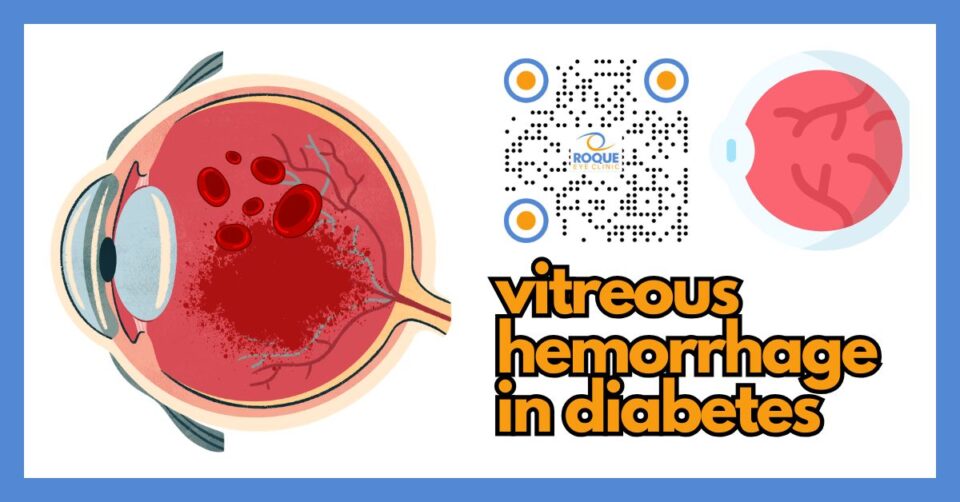
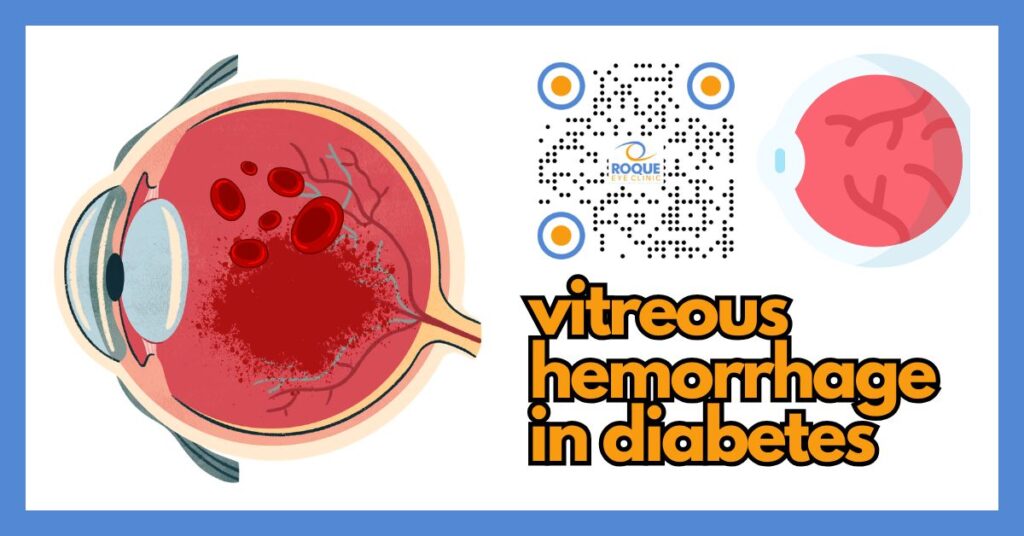
Vitreous hemorrhage in diabetes can cause sudden floaters, haze, or major vision loss. Learn why it happens, what tests are needed, and when vitrectomy surgery may be required.
March 9, 2026
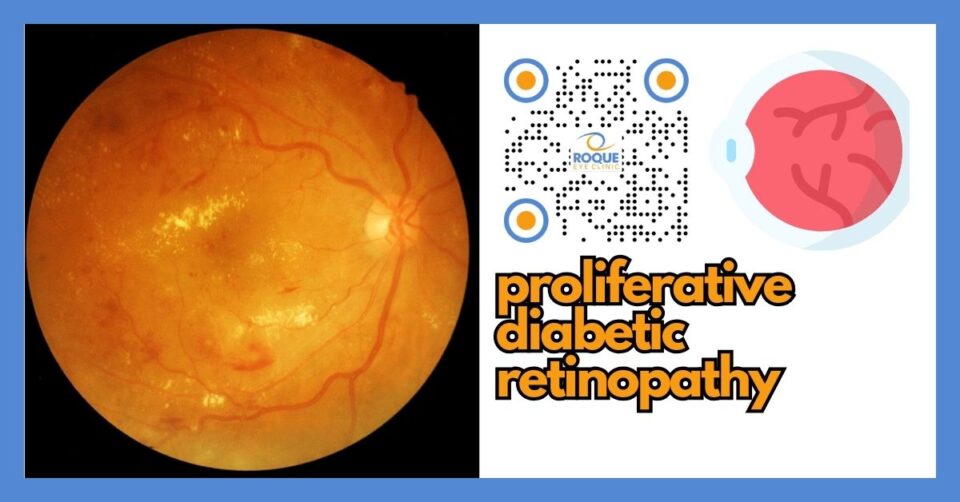
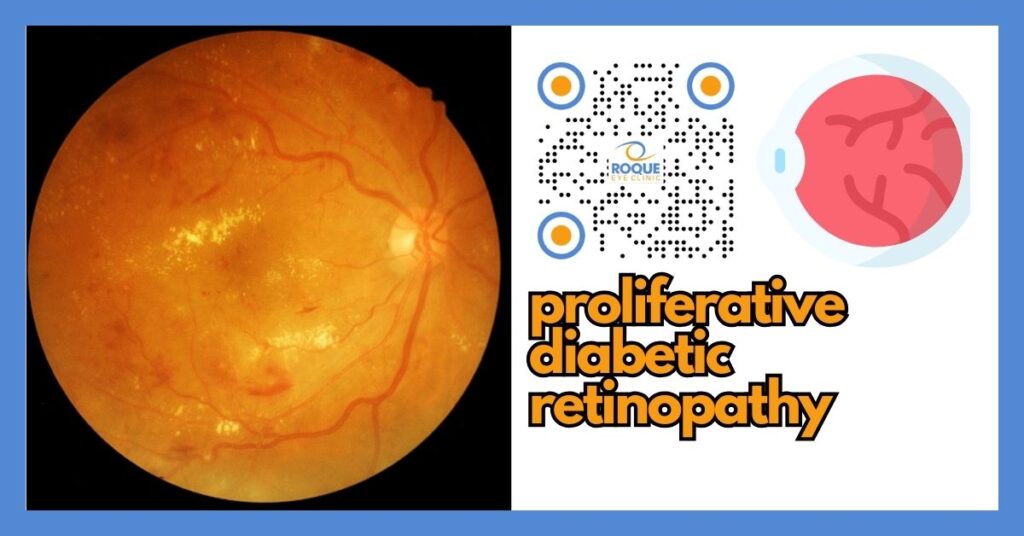
Proliferative diabetic retinopathy is an advanced stage of diabetic eye disease where abnormal new blood vessels grow on the retina because of poor oxygen supply.
March 9, 2026
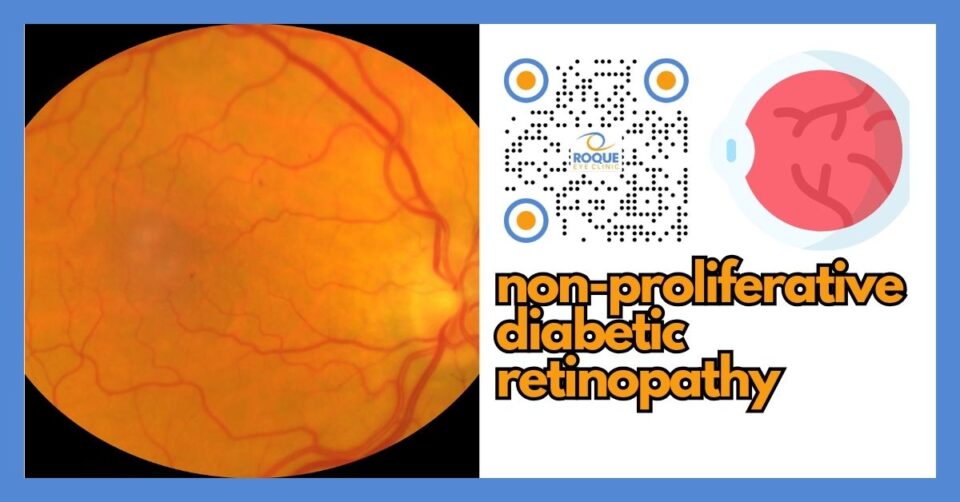
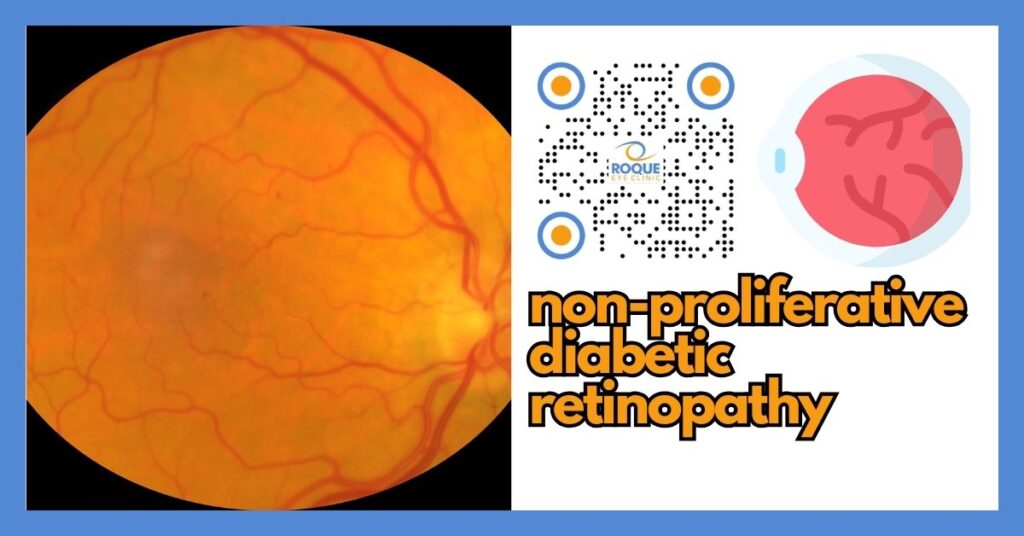
A patient-friendly guide to non-proliferative diabetic retinopathy explaining symptoms, severity, diagnosis, treatment options, and how to reduce the risk of progression.
March 9, 2026

An Amsler grid is a simple home tool that helps people with diabetes notice central vision changes such as distortion, blur, or missing areas. It supports monitoring but does not replace a dilated eye exam or OCT scan.
March 9, 2026

A patient-friendly guide explaining B-scan ultrasound for the retina, why diabetic patients may need it, and how it helps detect hidden bleeding or retinal detachment.
March 9, 2026
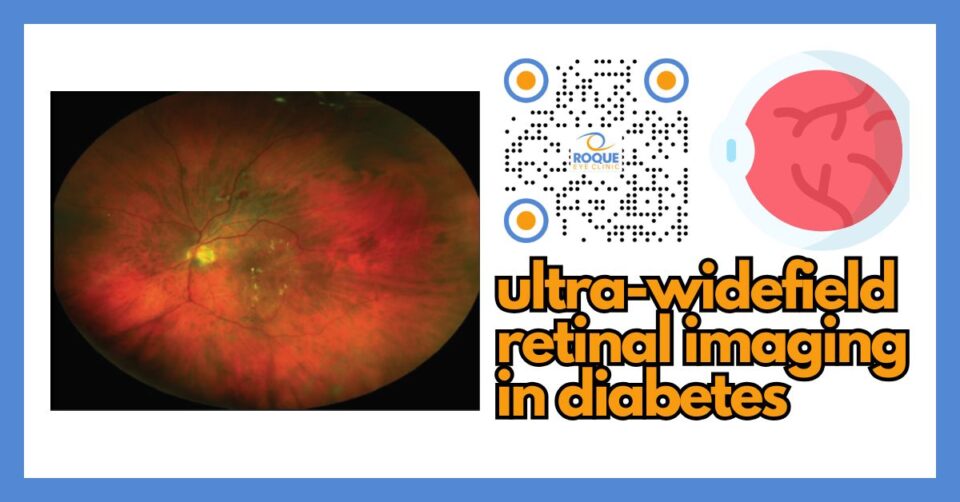
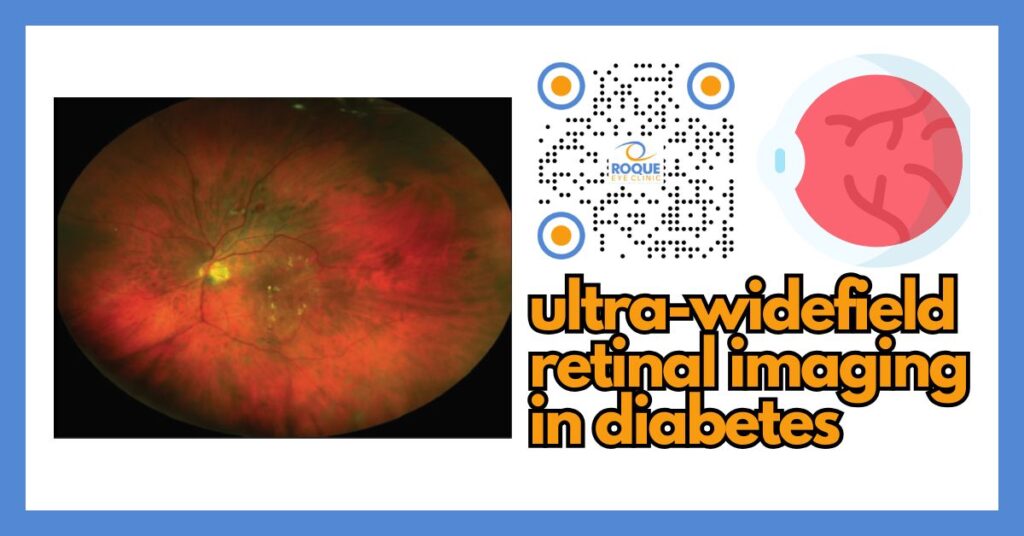
A patient-friendly guide explaining ultra-widefield retinal imaging in diabetes, what it shows, why it matters, and how it helps detect and monitor diabetic retinopathy.
March 9, 2026
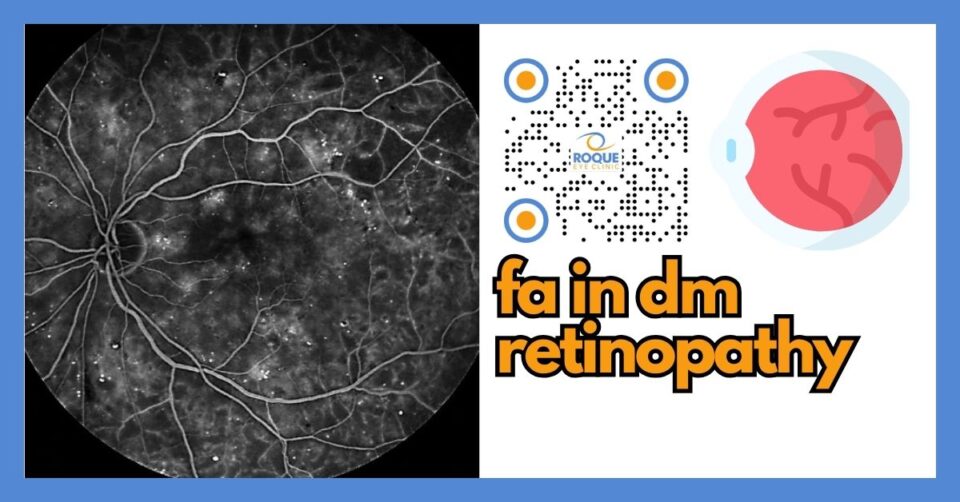
Fluorescein angiography helps doctors detect leaking blood vessels and circulation problems in diabetic retinopathy.
March 8, 2026






OCT angiography is a non-invasive retinal scan that maps blood flow without dye. Learn what it shows in diabetic retinopathy, when doctors use it, and how it compares with OCT and fluorescein angiography.
BOOK AN APPOINTMENT
It takes less than 5 minutes to complete your online booking. Alternatively, you may call our BGC Clinic, or our Alabang Clinic for assistance.