

Non-Proliferative Diabetic Retinopathy (NPDR): Early Retinal Damage in Diabetes
🤖 Quick Answer: Non-proliferative diabetic retinopathy (NPDR) is the early stage of diabetic eye disease where high blood sugar damages the small blood vessels of the retina. These vessels may leak fluid or bleed, causing retinal swelling and blurred vision. Regular dilated eye exams help detect NPDR early and prevent progression to severe vision-threatening disease.
Diabetes can gradually damage the tiny blood vessels that nourish the retina. When these vessels weaken, leak, or become blocked, the condition is called diabetic retinopathy. The earliest stage of this disease is known as non-proliferative diabetic retinopathy (NPDR).
At this stage, many patients may not notice any vision changes. However, the retina may already show microscopic damage. Detecting NPDR early is extremely important because treatment and careful monitoring can prevent progression to more severe stages that threaten vision.
🧩 Focus: Non-Proliferative Diabetic Retinopathy
👁 Goal: Help patients recognize early retinal damage caused by diabetes
🛡 Evidence-Based: Preferred Practice Patterns • Standards of Care • DRCR Retina Network • Systematic Reviews
🧠 Diabetic Eye Disease Knowledge Hub
Start with the complete guide:
Diabetic Eye Disease: The Complete Patient Guide
🔎 Quick Navigation
- What Is Non-Proliferative Diabetic Retinopathy?
- Symptoms of NPDR
- Stages of NPDR
- How Doctors Detect NPDR
- Treatment Options
- How to Protect Your Vision
Related Reading
- Diabetic Retinopathy Stages
- Diabetic Macular Edema
- OCT Scan for Diabetic Macular Edema
- Diabetic Eye Exam Schedule
- How to Prevent Diabetic Blindness
📌 Key Learning Points
- Non-proliferative diabetic retinopathy is the earliest stage of diabetic retinal disease.
- High blood sugar damages small retinal blood vessels.
- Many patients have no symptoms during early stages.
- Regular eye examinations are critical for early detection.
- Proper diabetes control can slow progression.
👁 What Is Non-Proliferative Diabetic Retinopathy?
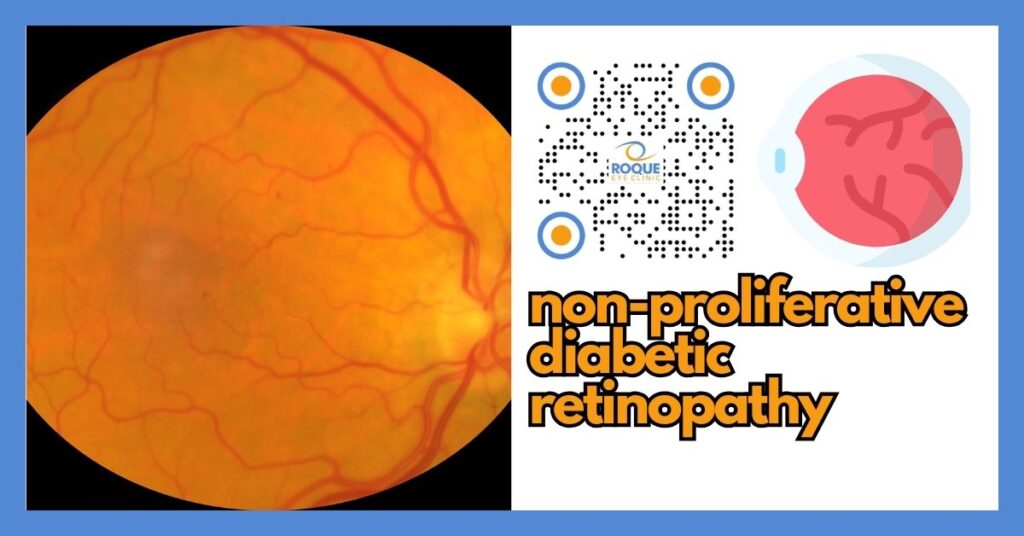
Non-proliferative diabetic retinopathy occurs when high blood sugar damages the tiny blood vessels that supply oxygen and nutrients to the retina. These vessels can weaken, swell, or leak blood and fluid into the surrounding retinal tissue.
As the disease progresses, some blood vessels may close off completely. When this happens, the retina receives less oxygen. In response, the body may eventually attempt to grow new blood vessels, which marks the transition to the more dangerous stage called proliferative diabetic retinopathy.
👀 Symptoms of NPDR
Early non-proliferative diabetic retinopathy often causes no symptoms. Many patients discover the condition only during routine eye examinations.
- Mild blurry vision
- Fluctuating vision
- Difficulty reading
- Dark spots or floaters (in some cases)
- Reduced night vision
Sudden vision loss, a shower of floaters, or flashes of light may indicate retinal bleeding or retinal detachment. Seek urgent eye care immediately.
Stages of Non-Proliferative Diabetic Retinopathy
| Stage | Retinal Changes | Vision Impact |
|---|---|---|
| Mild NPDR | Tiny microaneurysms appear in retinal vessels. | Vision usually normal. |
| Moderate NPDR | Vessel blockage and leakage increase. | Possible mild visual changes. |
| Severe NPDR | Large areas of retinal ischemia occur. | High risk of progression to proliferative disease. |
🧪 How Doctors Detect NPDR
Eye specialists use several imaging technologies to detect diabetic retinal damage.
- Dilated retinal examination
- Optical Coherence Tomography (OCT)
- OCT Angiography
- Fluorescein Angiography
- Ultra-widefield retinal imaging
💊 Treatment Options
Treatment depends on the severity of retinal damage and the presence of complications such as diabetic macular edema.
Observation and Monitoring
Early NPDR may only require regular monitoring and strict diabetes control.
Anti-VEGF Therapy
Medications such as anti-VEGF injections reduce retinal swelling and improve vision.
Laser Treatment
Laser therapy can stabilize retinal damage and prevent progression.
How to Protect Your Vision
- Maintain good blood sugar control
- Monitor blood pressure and cholesterol
- Schedule regular dilated eye exams
- Follow your physician’s diabetes treatment plan
Continue Reading
- Proliferative Diabetic Retinopathy
- Diabetic Macular Edema
- Vitreous Hemorrhage in Diabetes
- Tractional Retinal Detachment
- Diabetic Eye Treatment in the Philippines
🏁 Take-Home Message
Non-proliferative diabetic retinopathy is the earliest stage of diabetic retinal disease. Although many patients have no symptoms initially, microscopic damage may already be occurring.
Routine eye examinations and good diabetes control remain the best strategies for preventing vision loss.
❓ Frequently Asked Questions
Can NPDR cause blindness?
Early NPDR rarely causes blindness, but severe cases can progress to proliferative diabetic retinopathy.
Can NPDR be reversed?
Good diabetes control can stabilize the condition and prevent worsening.
How often should diabetics have eye exams?
Most patients should have a dilated retinal exam at least once a year.
Is NPDR painful?
No. Diabetic retinopathy usually develops without pain.
Does laser treatment cure NPDR?
Laser therapy helps stabilize the retina but does not cure diabetes.
📚 References
- American Academy of Ophthalmology Preferred Practice Pattern: Diabetic Retinopathy.
- American Diabetes Association. Standards of Medical Care in Diabetes.
- National Eye Institute: Diabetic Retinopathy.
- DRCR Retina Network Clinical Trials.
- Early Treatment Diabetic Retinopathy Study (ETDRS).
🤝 Roque Eye Clinic Patient Education Series
Reviewed by the Roque Advisory Council
Dr Manolette Roque | Dr Barbara Roque
St Luke’s Medical Center Global City | Asian Hospital Medical Center
Philippines
Medical Review: Roque Advisory Council
Last Updated: March 2026
This article is intended for educational purposes only and does not replace professional medical consultation.
ANIMATION
BOOK AN APPOINTMENT
It takes less than 5 minutes to complete your online booking. Alternatively, you may call our BGC Clinic, or our Alabang Clinic for assistance.