

Kidney Disease and Diabetic Retinopathy: What Patients Need to Know
🤖 Quick Answer: Kidney disease and diabetic retinopathy often progress together because diabetes damages small blood vessels in both the kidneys and the retina. If you have diabetic kidney disease, your risk of vision-threatening retinopathy may be higher. Regular dilated eye exams, tight diabetes control, and coordinated care with your eye doctor and kidney team help protect sight.
When diabetes affects the kidneys, many patients understandably focus on urine tests, creatinine, dialysis risk, and blood pressure medicines. However, the same diabetes-related blood vessel damage that injures the kidneys can also injure the retina. That is why kidney disease and diabetic retinopathy so often appear together.
This guide explains the connection between diabetic kidney disease and diabetic retinopathy, what warning signs to watch for, which tests matter, and how coordinated care can help protect both vision and overall health.
🧩 Focus: Kidney disease and diabetic retinopathy
👁 Goal: Help patients understand why kidney disease raises concern for retinal damage and why closer eye monitoring matters
🛡 Evidence-Based: Preferred Practice Patterns • Standards of Care • Systematic Reviews • Meta-Analyses
🧠 Diabetic Eye Disease Knowledge Hub
Start with the complete guide:
Diabetic Eye Disease: The Complete Patient Guide
🔎 Quick Navigation
- What is the connection between kidney disease and diabetic retinopathy?
- Why do the kidneys and eyes get damaged together?
- What raises the risk?
- What symptoms should patients notice?
- Which kidney and eye tests matter?
- How do doctors protect vision and kidney health?
- What can patients do now?
Related Reading
- Diabetic Eye Disease: The Complete Patient Guide
- Diabetic Retinopathy Stages
- Diabetes Control and Eye Health
- Why Your Endocrinologist Matters in Diabetic Eye Disease
- Dialysis and Diabetic Retinopathy
📌 Key Learning Points
- Diabetic kidney disease and diabetic retinopathy often appear together because diabetes damages small blood vessels in both organs.
- If you have kidney disease from diabetes, your doctor may treat you as a higher-risk eye patient.
- Kidney disease does not always cause eye symptoms, and diabetic retinopathy may also stay silent early on.
- Important warning signs include blurred vision, floaters, distortion, and sudden vision loss.
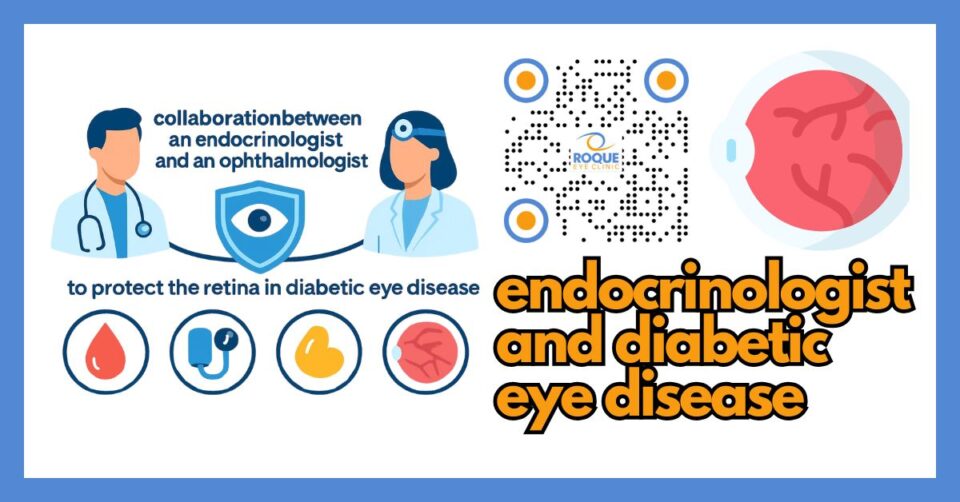
- Protecting vision usually requires team care: ophthalmologist, internist/endocrinologist, and nephrologist.
👁 What Is the Connection Between Kidney Disease and Diabetic Retinopathy?
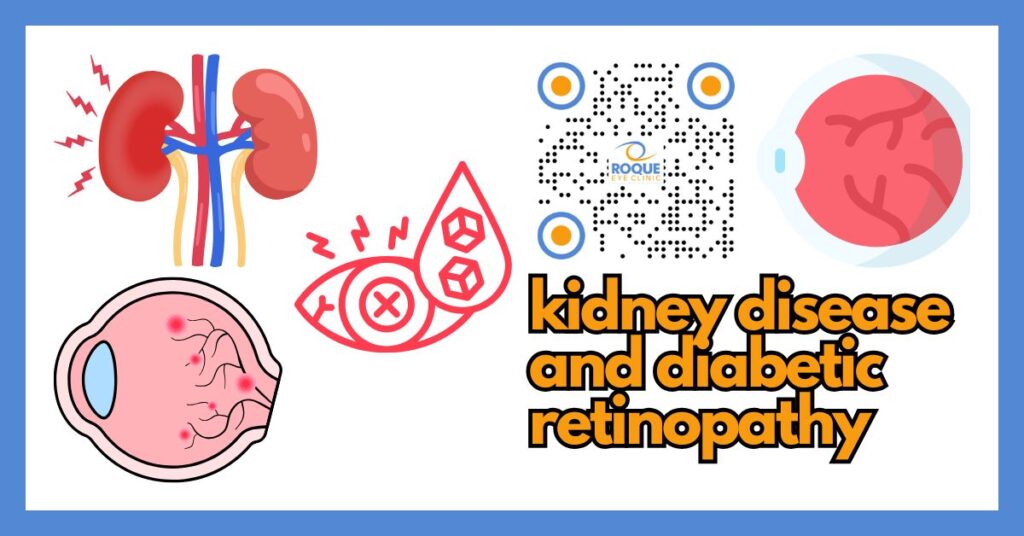
Diabetic kidney disease and diabetic retinopathy are both microvascular complications of diabetes. In simple terms, diabetes can injure the body’s tiny blood vessels. The kidneys rely on delicate filtering vessels to clean the blood. The retina relies on delicate vessels to nourish vision. When these small vessels are damaged, both organs may suffer.
That does not mean every patient with kidney disease will have severe retinopathy, or that every patient with retinopathy will have severe kidney disease. Still, when one is present, doctors become more alert for the other because the two conditions often travel together.
For many patients, this connection can feel surprising. You may think of your kidneys and eyes as unrelated organs. In diabetes, however, they can behave like two warning lights on the same dashboard. If one warning light turns on, doctors often check the other.
Why Do the Kidneys and Eyes Get Damaged Together?
Diabetes increases blood sugar, and over time that stresses the lining of small blood vessels. These vessels may become leaky, inflamed, narrowed, or blocked. In the kidneys, that can reduce filtering efficiency and allow protein to leak into the urine. In the retina, that can cause hemorrhages, swelling, oxygen shortage, abnormal new vessels, and vision loss.
High blood pressure makes this worse. Many patients with diabetic kidney disease also have hypertension. That combination puts more stress on the vessel walls. Abnormal cholesterol and long diabetes duration also add risk.
This is why doctors often look at the “big picture” rather than one organ at a time. A worsening urine albumin result, rising creatinine, or falling kidney function may not directly tell you what your retina looks like—but it can signal that your diabetes is affecting blood vessels more broadly.
Kidney disease can also make management more complicated. Some diagnostic and treatment decisions must consider the patient’s overall medical status, blood pressure, medications, and fluid balance. That is one reason shared care matters so much.
👀 What Raises the Risk?
The risk of both diabetic kidney disease and diabetic retinopathy increases when diabetes has been present for many years. However, duration is only one piece of the puzzle. Some patients develop complications earlier because several risk factors act together.
Risk tends to be higher with:
- Long duration of diabetes
- Poor blood sugar control over time
- High blood pressure
- Kidney disease with albumin/protein leakage
- Reduced kidney function
- Abnormal cholesterol or triglycerides
- Smoking
- Pregnancy in patients with pre-existing diabetes
Importantly, some patients feel well even while risk is rising. Kidney disease may not hurt, and early retinopathy often does not blur vision. That silent phase is exactly why doctors recommend regular follow-up rather than waiting for symptoms.
Symptoms Patients Should Watch For
Kidney disease itself may cause few symptoms early. Diabetic retinopathy can also stay silent. Nevertheless, once the retina becomes swollen or starts bleeding, patients may notice visual changes.
Common eye symptoms include:
- Blurred or fluctuating vision
- Difficulty reading or seeing fine print
- Wavy or distorted central vision
- Floaters or dark moving spots
- Patchy missing areas in vision
- Poorer night vision
A patient with kidney disease should not assume that any blur is “just fatigue” or “just sugar.” Blurred vision can reflect diabetic macular edema, bleeding, cataract changes, or other eye problems that require examination.
Seek urgent ophthalmologic evaluation if you develop sudden vision loss, a shower of floaters, flashes of light, or a dark curtain or shadow in your vision. These may signal vitreous hemorrhage, retinal traction, or retinal detachment.
🧪 Which Kidney and Eye Tests Matter?
Patients often ask, “What numbers should I pay attention to?” The answer is that both kidney tests and eye tests matter because they tell different parts of the story.
Kidney-related tests
- Urine albumin-to-creatinine ratio (UACR): checks whether protein is leaking into the urine.
- Serum creatinine and eGFR: estimate kidney function.
- Blood pressure: one of the most important modifiable risk factors.
- HbA1c: reflects longer-term glucose control.
Eye-related tests
- Dilated retinal exam: the foundation of diabetic eye screening.
- OCT: shows retinal swelling and helps detect diabetic macular edema.
- Retinal photography: documents retinal changes over time.
- Fluorescein angiography or OCT angiography: selected cases to study leakage, ischemia, or abnormal vessels.
Think of kidney tests and eye tests as two halves of one report card. Kidney tests tell you how the body’s filtering system is doing. Eye tests tell you how the retinal circulation is doing. Together, they help your doctors judge risk more accurately.
💊 How Do Doctors Protect Vision and Kidney Health?
Treatment works best when the eye and medical teams coordinate care. The goal is not only to treat the retina after it gets worse, but also to slow the blood vessel damage driving both kidney disease and eye disease.
1) Improve systemic control
Better blood sugar control reduces the risk of worsening diabetic complications. Blood pressure control is equally important, especially when kidney disease is already present. Lipid management also helps lower vascular risk.
2) Monitor the retina more closely
If a patient has diabetic kidney disease, many clinicians become more cautious about the eyes. That may mean more regular dilated retinal exams and OCT monitoring, especially when retinopathy or macular edema is already present.
3) Treat retinal disease directly
When diabetic macular edema or proliferative diabetic retinopathy develops, treatment may include anti-VEGF injections, laser treatment, or vitrectomy surgery depending on severity and complications.
4) Coordinate with the kidney team
Kidney disease can affect overall treatment planning. Your ophthalmologist may want to know your kidney status, blood pressure trend, and medication list. Your nephrologist may want updates if vision problems are affecting daily life, adherence, or major medical decisions.
In practical terms, patients do best when the ophthalmologist, nephrologist, and diabetes doctor are not working in separate silos. A team approach often leads to earlier detection and better long-term protection.
How to Protect Your Vision Now
Even if kidney disease is already present, there is still a lot you can do. Prevention does not mean “starting from perfect.” It means lowering the chance of the next complication.
- Keep scheduled dilated eye exams even if your vision seems fine
- Track kidney tests such as UACR and eGFR with your medical team
- Work on long-term glucose control, not just day-to-day swings
- Treat high blood pressure aggressively with your physician’s guidance
- Control cholesterol and triglycerides when indicated
- Report new visual symptoms quickly
- Bring updated medication lists to both eye and kidney visits
Patients sometimes feel overwhelmed when they hear they have both kidney disease and diabetic retinopathy. That reaction is understandable. However, these diagnoses are not a reason to give up. They are a reason to tighten follow-up and treat problems early.
Continue Reading
- Dialysis and Diabetic Retinopathy
- Why Your Endocrinologist Matters in Diabetic Eye Disease
- How Diabetes Control Protects Eye Health
- Diabetic Retinopathy Stages
- Diabetic Eye Treatment in the Philippines
🏁 Take-Home Message
Kidney disease and diabetic retinopathy often reflect the same diabetes-related small blood vessel damage. If you have diabetic kidney disease, do not wait for visual symptoms before seeing your eye doctor.
The safest plan is simple: keep regular dilated retinal exams, monitor kidney health closely, and let your ophthalmologist, endocrinologist, and nephrologist work together.
❓ Frequently Asked Questions
Does kidney disease cause diabetic retinopathy?
Kidney disease does not directly cause retinopathy, but both often occur together because diabetes damages small blood vessels in both organs.
If I have protein in my urine, does that mean my eyes are also damaged?
Not always, but it may increase concern that diabetes is affecting small vessels elsewhere, including the retina. That is why eye screening matters.
Can I have serious retinopathy even if my kidneys are only mildly affected?
Yes. The severity of kidney disease and retinopathy does not always match perfectly. Each organ still needs its own evaluation.
What eye test is most useful if I have kidney disease and blurred vision?
A dilated retinal exam is essential, and OCT is often very helpful because it detects macular swelling that may blur central vision.
Should my nephrologist know if I need eye injections or laser?
Yes. Team communication is helpful because your overall medical status, blood pressure, and kidney condition matter in ongoing care.
Does better blood pressure control help the eyes too?
Yes. Blood pressure control supports both kidney protection and diabetic retinopathy risk reduction.
📚 References
- American Academy of Ophthalmology. Diabetic Retinopathy Preferred Practice Pattern.
- American Diabetes Association. Standards of Care in Diabetes—2026. Chronic Kidney Disease and Risk Management.
- American Diabetes Association. Standards of Care in Diabetes—2026. Retinopathy, Neuropathy, and Foot Care.
- National Institute of Diabetes and Digestive and Kidney Diseases. Diabetic Eye Disease.
- National Institute of Diabetes and Digestive and Kidney Diseases. Diabetic Kidney Disease.
- National Eye Institute. Diabetic Retinopathy.
🤝 Roque Eye Clinic Patient Education Series
Reviewed by the Roque Advisory Council
Dr Manolette Roque | Dr Barbara Roque
St Luke’s Medical Center Global City | Asian Hospital Medical Center
Philippines
Medical Review: Roque Advisory Council
Last Updated: March 2026
This article is intended for educational purposes only and does not replace professional medical consultation.
BOOK AN APPOINTMENT
It takes less than 5 minutes to complete your online booking. Alternatively, you may call our BGC Clinic, or our Alabang Clinic for assistance.