

LENS-BASED REFRACTIVE SURGERY
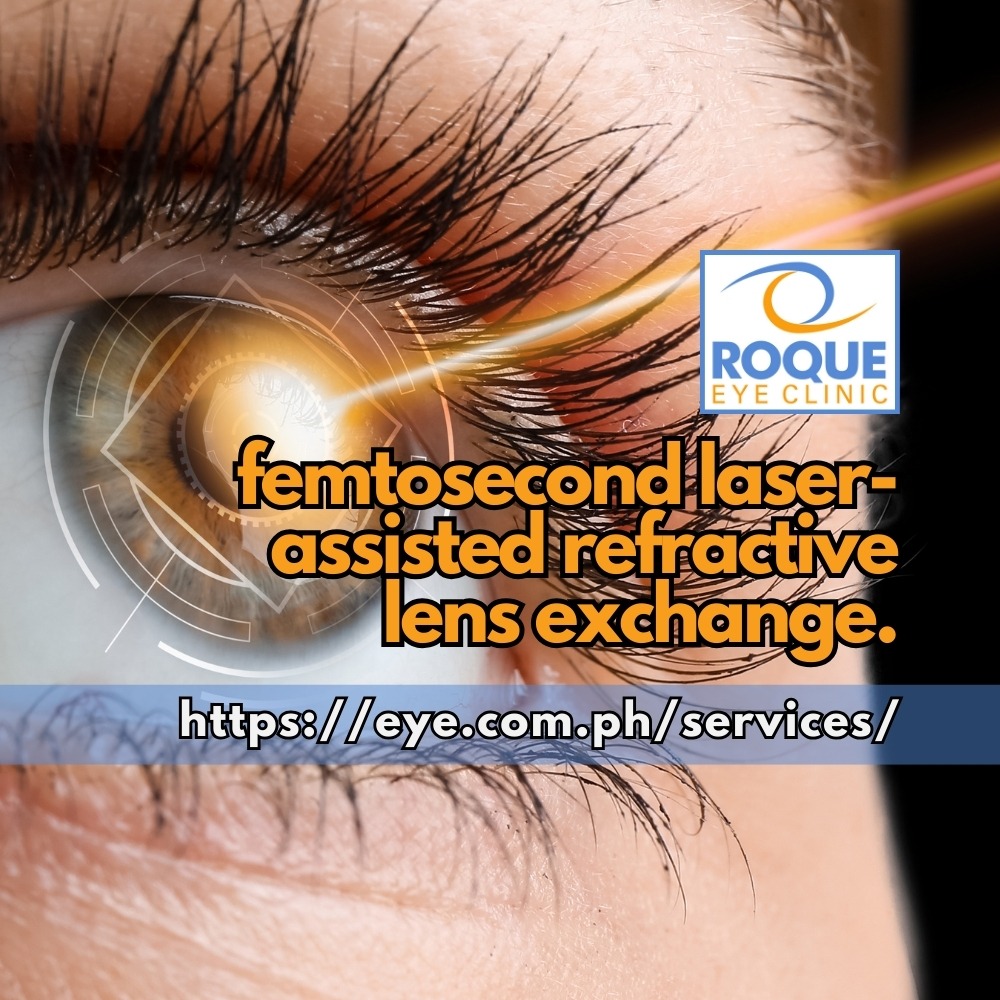
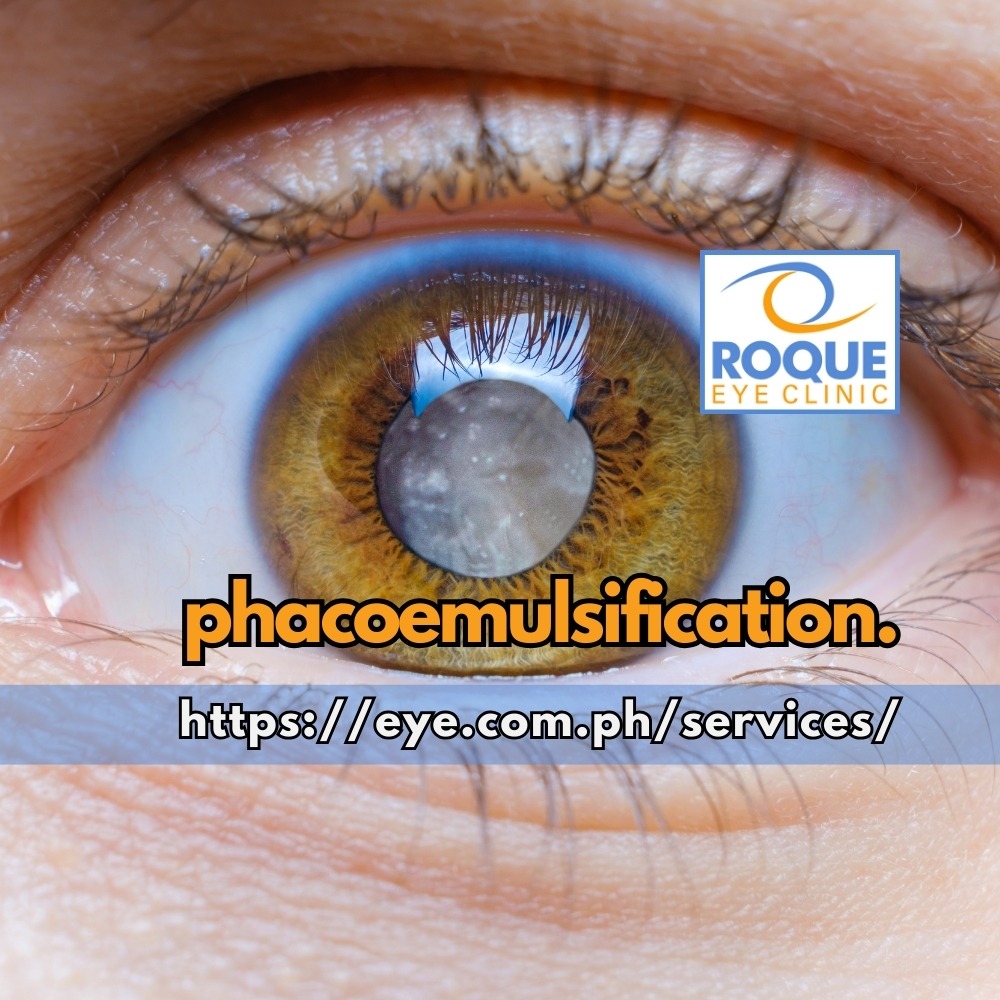
Lens-based refractive surgery corrects vision by replacing or implanting a lens inside the eye. Instead of reshaping the cornea with a laser, the surgeon adjusts the eye’s focusing system at the lens level. As a result, patients with high refractive errors, presbyopia, or thin corneas may achieve clearer vision with reduced dependence on glasses or contact lenses.
WHAT THIS SERVICE TREATS
This procedure addresses nearsightedness, farsightedness, astigmatism, and age-related near vision loss. Surgeons often recommend lens-based correction when laser vision surgery is not suitable. In addition, patients who want long-term correction beyond corneal treatment may consider this option. Because the natural lens plays a key role in focusing, replacing or supplementing it can significantly improve visual quality.
TYPES OF LENS-BASED REFRACTIVE PROCEDURES
Doctors choose the most appropriate technique after a detailed evaluation.
1. Refractive Lens Exchange, where the natural lens is removed and replaced with a premium intraocular lens
2. Implantable Collamer Lens placement, where a corrective lens is inserted without removing the natural lens
3. Premium intraocular lens implantation during cataract surgery for combined refractive and cataract management
HOW THE PROCEDURE WORKS
The surgeon performs the procedure under local anesthesia. First, the surgeon creates a small incision in the cornea. Next, the surgeon either removes the natural lens or inserts a specialized lens implant. Then, the surgeon positions the new lens carefully to optimize focus. Because modern lens designs correct distance and sometimes near vision, patients often experience a broader visual range.
WHO MAY BENEFIT
Lens-based refractive surgery may suit the following patients.
1. Adults with stable refractive error
2. Individuals with high myopia or hyperopia beyond laser limits
3. Patients with thin or irregular corneas
4. Adults with presbyopia seeking reduced dependence on reading glasses
5. Patients desiring long-term refractive correction
RECOVERY AND EXPECTED OUTCOMES
Most patients notice visual improvement within days. Mild discomfort, glare, or halos may occur early. However, the eye typically stabilizes over several weeks. Surgeons schedule follow-up visits to monitor healing, lens position, and pressure. Because each eye heals differently, final visual results may vary.
SAFETY AND IMPORTANT CONSIDERATIONS
Surgeons perform lens-based refractive surgery after comprehensive diagnostic testing. Preoperative screening evaluates corneal health, retinal status, intraocular pressure, and overall eye condition. While the procedure has a strong safety record, risks include infection, inflammation, pressure changes, and rare retinal complications. Therefore, careful patient selection remains essential.
Showing all 8 resultsSorted by popularity
₱ 56,000.00
₱ 56,000.00
₱ 56,000.00
₱ 84,000.00
₱ 56,000.00
₱ 56,000.00
₱ 84,000.00
Original price was: ₱ 210,000.00.₱ 150,000.00Current price is: ₱ 150,000.00.