
DIAGNOSTICS – CLINIC AND EYE CENTER TESTING
Diagnostics include a full range of eye tests performed in the clinic and in specialized eye centers or institutes. These tests assess vision, eye structure, and overall eye health. Because accurate diagnosis guides proper treatment, the ophthalmologist uses these tools to detect problems early and plan effective care. As a result, patients receive timely and targeted management.
WHAT THIS SERVICE EVALUATES
These diagnostic services evaluate both common and complex eye conditions. For example, they detect refractive errors, cataracts, glaucoma, retinal disease, and ocular surface problems. In addition, they monitor disease progression and treatment response. Therefore, regular testing helps preserve vision and prevent complications.
TYPES OF DIAGNOSTIC PROCEDURES
The ophthalmologist selects the appropriate tests based on clinical findings. These may include the following.
1. Visual acuity and refraction testing to measure clarity of vision
2. Slit-lamp examination to assess the front structures of the eye
3. Intraocular pressure measurement for glaucoma screening
4. Dilated fundus examination to evaluate the retina and optic nerve
5. Optical coherence tomography for detailed retinal and nerve imaging
6. Visual field testing to assess peripheral vision
7. Corneal topography and tomography for corneal shape analysis
8. Tear film and dry eye testing for ocular surface assessment
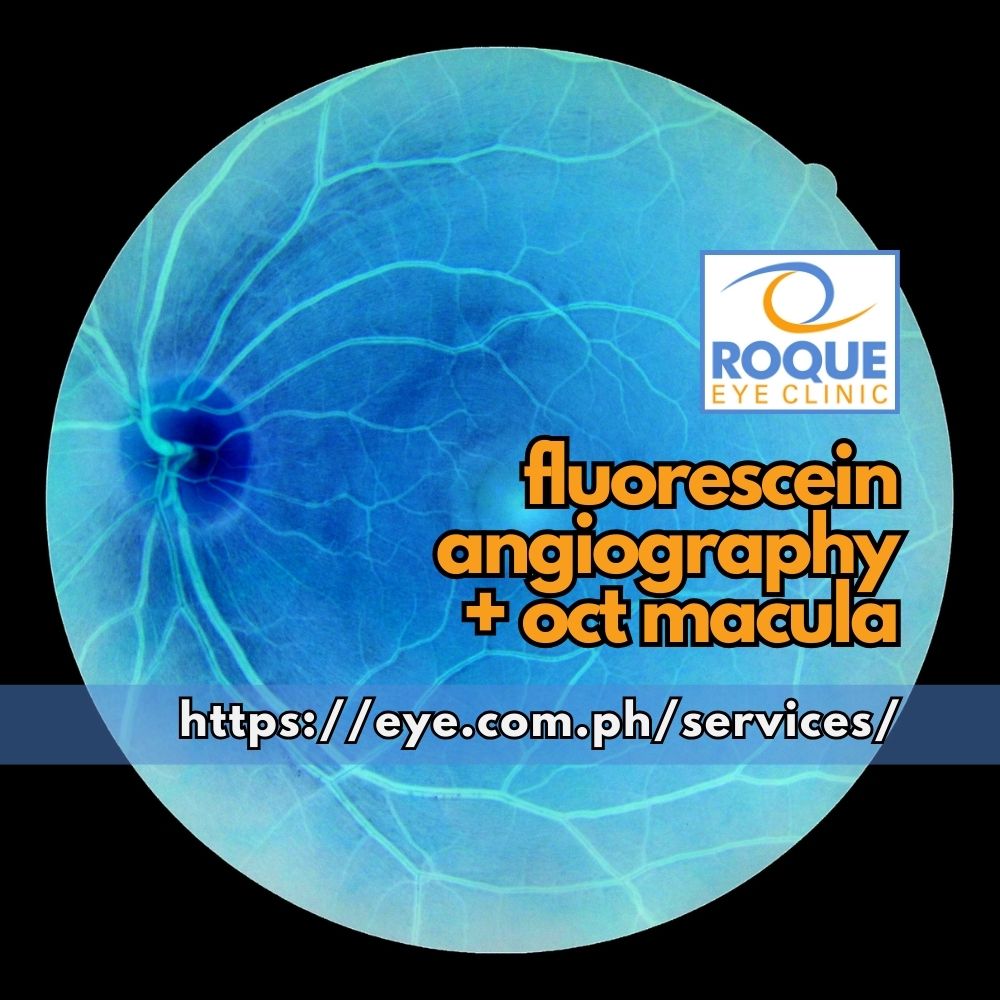
9. Fundus photography and angiography for retinal documentation and vascular evaluation
10. Other specialized imaging or tests as clinically indicated
HOW THE DIAGNOSTIC PROCESS WORKS
First, the ophthalmologist reviews the patient’s history and symptoms. Next, the doctor performs a focused eye examination. Then, selected diagnostic tests provide detailed measurements and images. Because each test adds specific information, the results guide diagnosis and treatment planning. Therefore, a complete evaluation ensures accurate and personalized care.
WHO MAY BENEFIT
Patients with visual complaints or known eye conditions benefit from diagnostic testing. In addition, individuals undergoing screening for glaucoma, retinal disease, or refractive surgery require these evaluations. Furthermore, patients preparing for cataract or laser procedures need precise measurements. Therefore, diagnostics support both routine care and advanced treatment planning.
RECOVERY AND EXPECTED OUTCOMES
Most diagnostic tests are non-invasive and require little to no recovery time. However, dilation may cause temporary light sensitivity and blurred near vision. These effects usually resolve within a few hours. As a result, patients can return to normal activities on the same day in most cases.
SAFETY AND CLINICAL CONSIDERATIONS
Diagnostic procedures have strong safety profiles and are performed by trained professionals. In addition, the ophthalmologist selects tests based on patient needs to avoid unnecessary procedures. While most tests are comfortable, some may cause brief discomfort or light sensitivity. Therefore, proper guidance and follow-up ensure accurate results and patient safety.
Showing 1–12 of 56 resultsSorted by popularity
₱ 890.00
₱ 950.00
₱ 2,463.00
₱ 1,352.00
₱ 10,310.00
₱ 4,501.00
₱ 377.00
₱ 839.00
₱ 562.00
₱ 419.00
₱ 981.00
₱ 1,682.00