

KEY LEARNING POINTS
- Some eye conditions can cause permanent blindness within hours if untreated.
- Sudden vision loss always requires immediate medical attention.
- Severe eye pain, flashes, floaters, or trauma are red flags.
- Early treatment often prevents permanent damage.
- Do not self-medicate or delay consultation.
- Protective eyewear reduces risk of eye injuries.
INTRODUCTION
Many eye problems develop slowly. However, some conditions progress rapidly and can lead to permanent vision loss if not treated immediately. Because the eye is a delicate organ, even a small delay may have serious consequences.
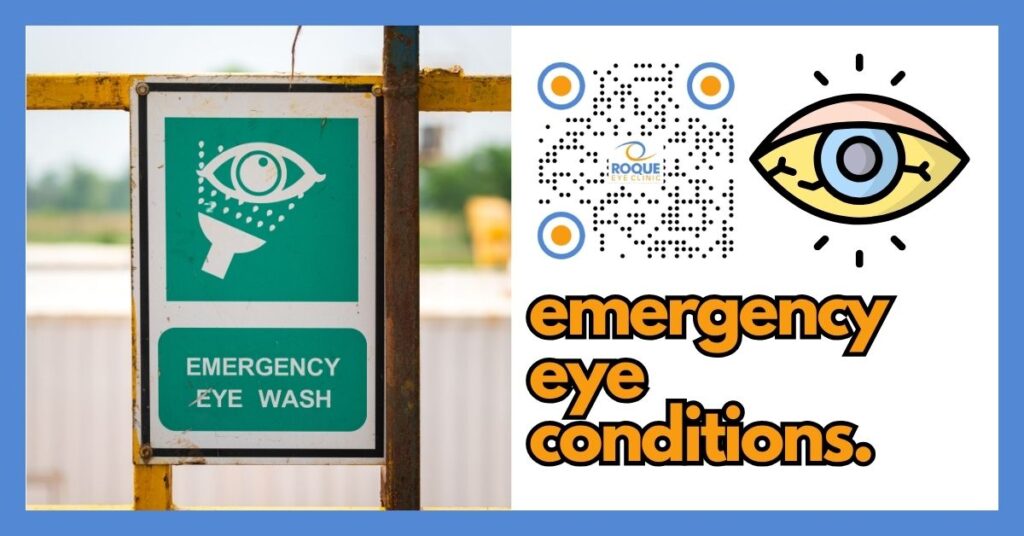
Emergency eye conditions are problems that require urgent evaluation by an ophthalmologist. Early recognition allows timely treatment, which often preserves vision and prevents complications.
WHAT ARE EMERGENCY EYE CONDITIONS?
Direct Answer: Emergency eye conditions are serious eye problems that require immediate medical care to prevent permanent vision loss or complications.
These conditions affect important parts of the eye such as the retina, cornea, optic nerve, or internal eye pressure. When damage occurs in these areas, vision may decline quickly.
Think of the eye like a camera. If the lens, sensor, or wiring suddenly fails, the image becomes distorted or disappears. Similarly, eye emergencies disrupt normal vision function.
WHY DO EYE EMERGENCIES HAPPEN?
Direct Answer: Eye emergencies occur due to trauma, sudden pressure changes, infections, or retinal problems.
Several factors increase the risk. For example, aging can weaken the retina, making it prone to detachment. Meanwhile, uncontrolled diabetes may damage blood vessels in the eye.
In addition, accidents such as chemical exposure or blunt trauma can directly injure eye structures. Therefore, both internal disease and external injury play important roles.
SYMPTOMS OF EYE EMERGENCIES
Direct Answer: Warning signs include sudden vision loss, severe pain, flashes, floaters, redness, and trauma.
Common Symptoms
- Sudden decrease or loss of vision
- Severe eye pain
- Flashes of light
- New floaters
- Red eye with pain
RED FLAG SYMPTOMS (SEEK CARE IMMEDIATELY)
- Complete or partial vision loss
- Eye injury or trauma
- Chemical exposure
- Severe headache with eye pain
- Sudden double vision
DIAGNOSIS
Direct Answer: Ophthalmologists diagnose eye emergencies using a detailed eye exam and specialized tests.
Doctors evaluate vision, eye pressure, and internal eye structures. They may use imaging tools such as optical coherence tomography or ultrasound when needed.
Accurate diagnosis allows prompt treatment. Therefore, early consultation significantly improves outcomes.
TREATMENT OPTIONS
Direct Answer: Treatment depends on the cause and may include medications, laser therapy, or surgery.
| Condition | Treatment | Goal | Urgency |
|---|---|---|---|
| Retinal Detachment | Surgery | Reattach retina | Immediate |
| Acute Glaucoma | Medications/Laser | Lower eye pressure | Immediate |
| Eye Infection | Antibiotics | Control infection | Urgent |
| Eye Trauma | Repair surgery | Preserve structure | Immediate |
EXPECTED RESULTS
Direct Answer: Early treatment often leads to better visual outcomes.
Many patients recover well when treated promptly. However, delayed care increases the risk of permanent damage.
COST AND AVAILABILITY
Direct Answer: Costs vary depending on the condition, treatment type, and hospital setting.
Expenses may include professional fees, diagnostic tests, hospital charges, and medications. Insurance or PhilHealth may reduce costs in some cases.
BEFORE AND AFTER CARE
Before
- Avoid self-medication
- Seek immediate consultation
After
- Follow medication instructions
- Attend follow-up visits
- Avoid strenuous activity if advised
ANALOGY
The eye works like a camera. If the film suddenly detaches or the lens cracks, the image disappears. Similarly, eye emergencies disrupt vision quickly and require immediate repair.
LIFESTYLE AND PREVENTION
Direct Answer: Some eye emergencies can be prevented through safety and regular check-ups.
- Wear protective eyewear
- Control diabetes and hypertension
- Schedule regular eye exams
FREQUENTLY ASKED QUESTIONS
1. Is sudden vision loss an emergency?
Yes. Sudden vision loss requires immediate evaluation.
2. Can eye pain be serious?
Severe pain may indicate a serious condition.
3. What should I do after eye injury?
Seek urgent medical care immediately.
4. Are floaters dangerous?
New floaters with flashes may signal retinal problems.
5. Can infections cause blindness?
Severe infections can damage vision if untreated.
6. Should I use eye drops first?
Avoid self-medication without consultation.
7. Is redness always serious?
Not always, but pain and vision changes are concerning.
8. When should I go to ER?
Go immediately for trauma, vision loss, or severe pain.
9. Can children have eye emergencies?
Yes. Prompt evaluation is important.
10. Can delays cause blindness?
Yes. Delay increases risk of permanent damage.
TAKE-HOME MESSAGE
- Recognize warning signs early
- Seek immediate care for vision loss
- Avoid delays and self-treatment
- Protect your eyes from injury
- Consult an ophthalmologist when in doubt
REFERENCES
AAO Preferred Practice Patterns
EyeWiki.org
National Eye Institute (nei.nih.gov)
BOOK AN APPOINTMENT
It takes less than 5 minutes to complete your online booking. Alternatively, you may call our BGC Clinic, or our Alabang Clinic for assistance.