

Diabetes Targets for Eye Health: Blood Sugar, Blood Pressure, and Cholesterol Goals to Protect Vision
🤖 Quick Answer: Diabetes targets for eye health include controlling blood sugar, blood pressure, and cholesterol. Maintaining HbA1c near recommended levels, keeping blood pressure under control, and managing cholesterol can significantly reduce the risk of diabetic retinopathy and vision loss. Regular eye examinations help detect retinal damage early and allow treatment before permanent vision problems develop.
Many people with diabetes ask a simple but critical question: What numbers should I aim for to protect my eyes? While eye examinations detect problems early, the most powerful protection actually happens long before symptoms appear—through careful control of blood sugar, blood pressure, and cholesterol.
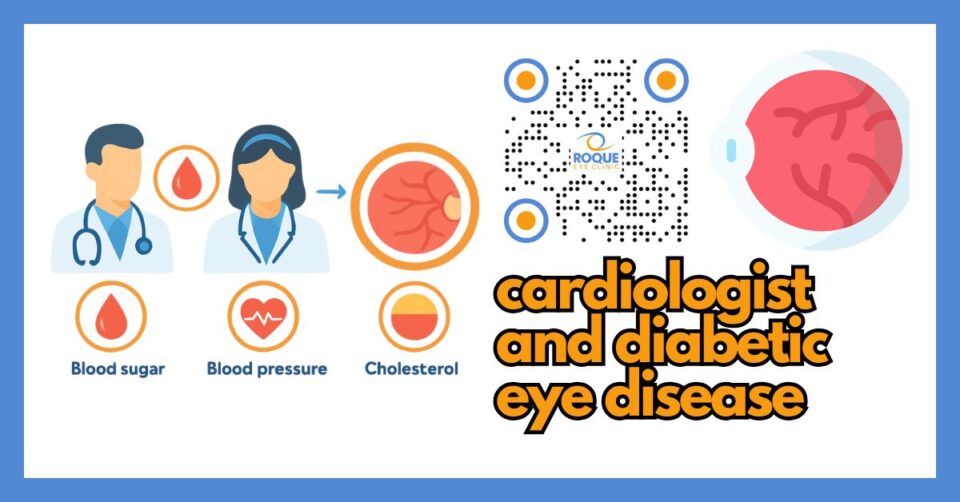
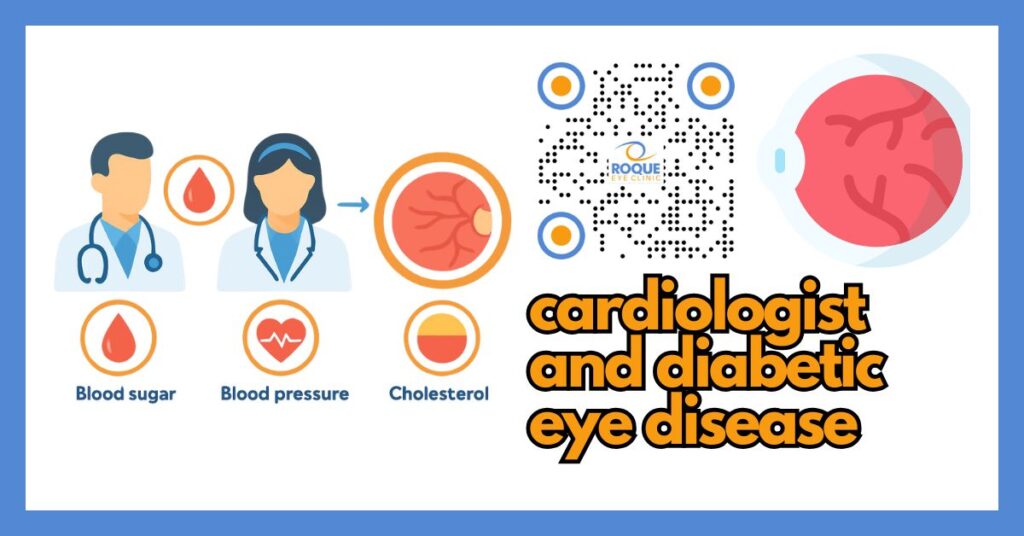
Doctors often refer to these targets as the “ABC goals of diabetes care”. Meeting these targets significantly lowers the risk of developing diabetic retinopathy, macular edema, and other vision-threatening complications.
🧩 Focus: Diabetes targets that protect the retina
👁 Goal: Prevent diabetic retinopathy and vision loss
🛡 Evidence-Based: Preferred Practice Patterns • Standards of Care • Systematic Reviews • Meta-Analyses
🧠 Diabetic Eye Disease Knowledge Hub
Start with the complete guide:
Diabetic Eye Disease: The Complete Patient Guide
📘 Retina Terminology Glossary
Retina — the layer that captures light and allows vision.
Macula — the central area responsible for sharp vision.
Retinal blood vessels — delicate vessels that supply oxygen and nutrients to retinal cells.
Diabetic retinopathy — retinal blood vessel damage caused by diabetes.
Macular edema — swelling of the macula caused by leaking retinal vessels.
Vitreous — the gel inside the eye that may contain floaters if bleeding occurs.
🔎 Quick Navigation
- Why Diabetes Targets Matter
- The ABC Targets for Eye Health
- Blood Sugar Goals
- Blood Pressure Goals
- Cholesterol Goals
- Protecting Your Vision Long-Term
Related Reading
- Warning Signs of Diabetic Eye Disease
- Why Vision Blurs with Diabetes
- Diabetic Eye Exam Schedule
- Preventing Diabetic Blindness
- How Blood Sugar Control Protects Your Eyes
📌 Key Learning Points
- Controlling blood sugar significantly reduces the risk of diabetic retinopathy.
- Blood pressure control protects delicate retinal blood vessels.
- Cholesterol management lowers the risk of macular edema.
- Meeting the “ABC” targets helps protect both vision and overall health.
- Regular eye examinations remain essential even when targets are well controlled.
Why Diabetes Targets Matter
Diabetic eye disease develops when high blood sugar damages the tiny blood vessels that supply the retina. Over time, these vessels can leak fluid, bleed, or close completely. The retina then receives less oxygen, which can lead to vision loss.
Maintaining healthy metabolic targets dramatically lowers this risk. Research shows that improved diabetes control can reduce the development of diabetic retinopathy by as much as 40–70 percent.
The ABC Targets for Eye Health
Doctors often summarize diabetes targets using the letters A-B-C:
- A — A1c (average blood sugar)
- B — Blood pressure
- C — Cholesterol
When these three factors remain well controlled, the retina experiences less stress, fewer leaks, and fewer abnormal blood vessel changes.
Blood Sugar Goals
Hemoglobin A1c reflects the average blood sugar level over approximately three months.
| Measurement | Recommended Target | Eye Health Impact |
|---|---|---|
| HbA1c | ≈7% or individualized goal | Lower risk of retinopathy progression |
| Fasting glucose | 80–130 mg/dL | Prevents vascular stress |
| Post-meal glucose | <180 mg/dL | Reduces retinal vessel damage |
Blood Pressure Goals
High blood pressure places additional stress on retinal blood vessels. When combined with diabetes, the risk of bleeding and retinal swelling increases significantly.
- Recommended goal: less than 130/80 mmHg for many patients
- Maintaining this range protects the retina and optic nerve
- Blood pressure control also lowers stroke and heart disease risk
Cholesterol Goals
Elevated cholesterol contributes to fatty deposits and leakage in retinal blood vessels. These deposits may appear during eye examinations as bright yellow spots called hard exudates.
Managing cholesterol helps reduce retinal swelling and may decrease the risk of diabetic macular edema.
- LDL cholesterol often targeted below 100 mg/dL (or lower in high-risk patients)
- Healthy triglyceride levels also support vascular health
How Meeting Targets Protects Your Vision
When blood sugar, blood pressure, and cholesterol stay within healthy ranges, retinal blood vessels remain more stable. This reduces the likelihood of leakage, bleeding, and abnormal vessel growth.
However, even excellent control cannot eliminate risk entirely. That is why regular eye examinations remain essential for people living with diabetes.
Continue Reading
- Stages of Diabetic Retinopathy
- Understanding Diabetic Macular Edema
- Anti-VEGF Treatment for Diabetic Macular Edema
- Laser Treatment for Diabetic Retinopathy
- Future Treatments for Diabetic Retinopathy
🏁 Take-Home Message
Meeting diabetes targets for blood sugar, blood pressure, and cholesterol plays a major role in protecting your vision. These goals reduce damage to the retina and lower the risk of diabetic retinopathy.
Even when numbers are well controlled, routine dilated eye examinations remain essential to detect problems early and preserve vision.
❓ Frequently Asked Questions
What is the most important diabetes target for eye health?
Maintaining a healthy HbA1c level is one of the most important factors in preventing diabetic retinopathy.
Does lowering blood pressure protect vision?
Yes. Blood pressure control reduces stress on retinal vessels and lowers the risk of vision loss.
Can cholesterol affect the eyes?
High cholesterol can worsen retinal leakage and contribute to diabetic macular edema.
What happens if diabetes targets are not controlled?
Poor control increases the risk of bleeding in the retina, swelling, and progressive vision loss.
Do I still need eye exams if my diabetes is controlled?
Yes. Regular eye exams detect retinal changes early, even when blood sugar levels appear stable.
📚 References
- American Academy of Ophthalmology. Diabetic Retinopathy Preferred Practice Pattern.
- American Diabetes Association. Standards of Medical Care in Diabetes.
- National Eye Institute. Diabetic Eye Disease Information.
- DRCR Retina Network Clinical Research Publications.
- Centers for Disease Control and Prevention Vision Health Initiative.
🤝 Roque Eye Clinic Patient Education Series
Reviewed by the Roque Advisory Council
Dr Manolette Roque | Dr Barbara Roque
St Luke’s Medical Center Global City | Asian Hospital Medical Center
Philippines
Medical Review: Roque Advisory Council
Last Updated: March 2026
This article is intended for educational purposes only and does not replace professional medical consultation.
BOOK AN APPOINTMENT
It takes less than 5 minutes to complete your online booking. Alternatively, you may call our BGC Clinic, or our Alabang Clinic for assistance.