

Cornea and External Disease: Symptoms, Common Problems, and When to Seek Help
🧠 Dr. Roque’s Quick Answer
Cornea and external disease is a broad group of eye problems that affect the clear front window of the eye and the surface tissues around it, including the conjunctiva, tear film, eyelids, and lashes. Common examples include dry eye, blepharitis, conjunctivitis, corneal scratches, keratitis, pterygium, and contact lens-related infections. Many are treatable, but pain, light sensitivity, reduced vision, or a red painful contact lens eye should never be ignored.
This page is a patient-friendly overview, not a replacement for a full examination. “Cornea and external disease” is an umbrella term. It covers conditions affecting the eye surface and the tissues that protect, lubricate, and cover the front of the eye.
That matters because many eye complaints begin on the surface. Redness, pain, tearing, discharge, irritation, foreign-body sensation, fluctuating vision, or light sensitivity often point to this part of the eye. Some causes are mild. Others can threaten vision if treatment is delayed.
🎯 Focus
Explain what cornea and external disease means and help patients recognize the most common surface-related eye problems.
🏁 Goal
Separate problems that may be monitored from those that need prompt or urgent ophthalmic care.
🛡️ Evidence-Based
The cornea helps focus light, and surface disease may cause redness, tearing, discomfort, photophobia, and reduced vision depending on severity.
🧠 Dr. Roque’s Key Learning Points
- The cornea is the clear front layer of the eye and helps focus light.
- External eye disease often involves the tear film, conjunctiva, eyelids, or lashes in addition to the cornea.
- Dry eye, blepharitis, allergy, and conjunctivitis are common and often manageable.
- Keratitis, corneal ulcers, and contact lens-related infections are more serious and may threaten vision.
- Pain, light sensitivity, blurred vision, or worsening redness should raise concern.
Quick Navigation
ROQUE Eye Clinic Conditions Knowledge Hub
This article belongs to the Eye.com.ph conditions pathway.
Start with the main hub: Conditions
What Does “Cornea and External Disease” Mean?
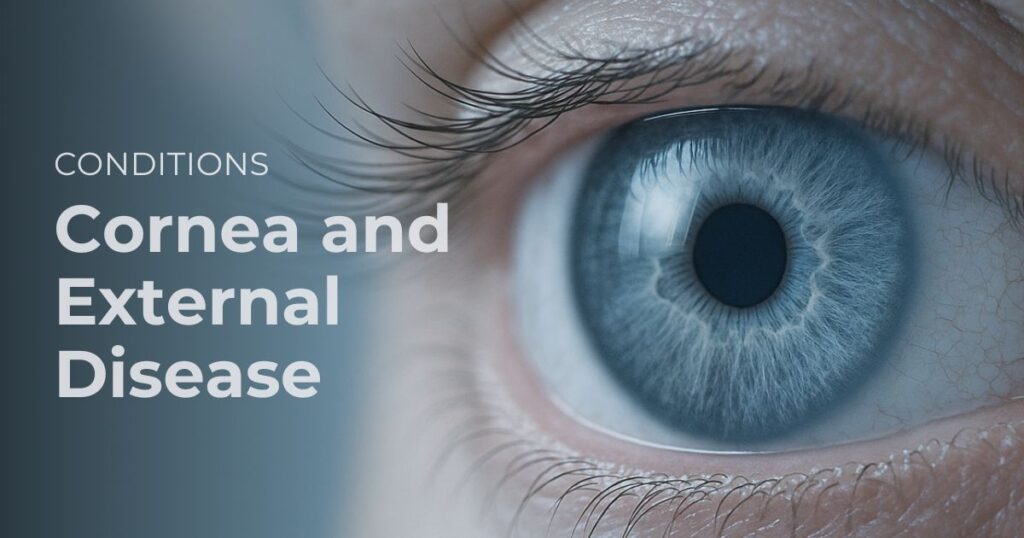
The cornea is the clear, dome-shaped front window of the eye. It is one of the most important focusing structures in the eye. The term external disease refers to conditions involving the tissues on or around the eye surface, such as the conjunctiva, tear film, eyelids, lashes, and nearby surface structures.
In plain language, this field deals with the part of the eye that is most exposed to the environment. Because it is exposed, it is vulnerable to dryness, irritation, allergy, infection, trauma, and inflammation.
💡 Dr. Roque’s Analogy
Think of the cornea like the windshield of the eye. It needs to stay clear, smooth, and well-coated with tears. If the windshield gets scratched, dry, infected, or inflamed, vision becomes uncomfortable and less clear.
👁️ Anatomy Micro-Primer
- Cornea: the clear front surface that helps focus light.
- Conjunctiva: the thin membrane covering the white of the eye and inner eyelids.
- Tear film: the protective layer of tears coating the eye surface.
- Eyelids and lashes: structures that protect the eye and help spread tears.
- Meibomian glands: oil glands in the eyelids that help prevent rapid tear evaporation.
🧩 Terminology Glossary
- Conjunctivitis: inflammation of the conjunctiva, often called pink eye.
- Keratitis: inflammation of the cornea.
- Corneal ulcer: an open sore or infected breakdown on the cornea.
- Blepharitis: inflammation of the eyelid margins.
- Dry eye disease: a condition in which tears are inadequate in quantity, quality, or stability.
- Photophobia: sensitivity to light.
- Pterygium: a fleshy growth of surface tissue that may extend onto the cornea.
Common Problems in Cornea and External Disease
Dry Eye Disease
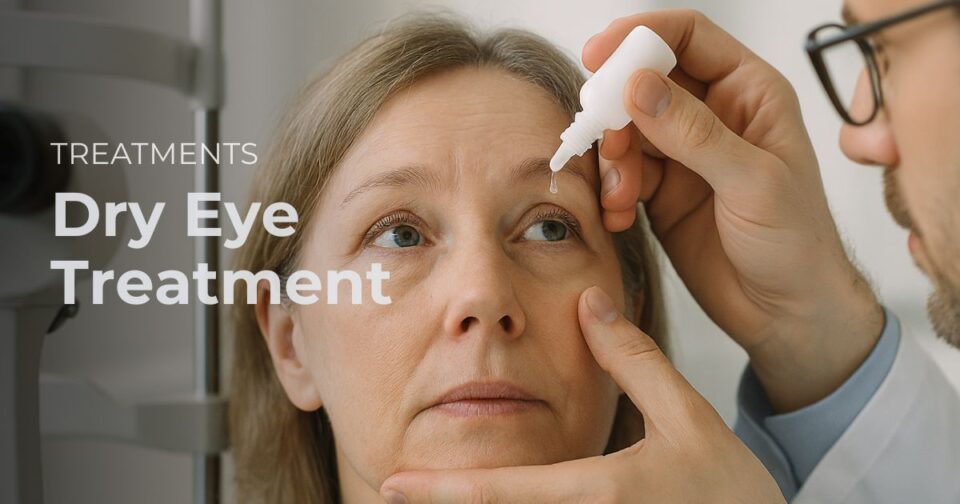
Dry eye is one of the most common surface disorders. The eye may not make enough tears, or the tears may evaporate too quickly. Patients often describe burning, irritation, fluctuating vision, heaviness, grittiness, or watering. Yes, dry eye can still cause watery eyes because the surface becomes irritated and triggers reflex tearing.
Blepharitis and Meibomian Gland Dysfunction
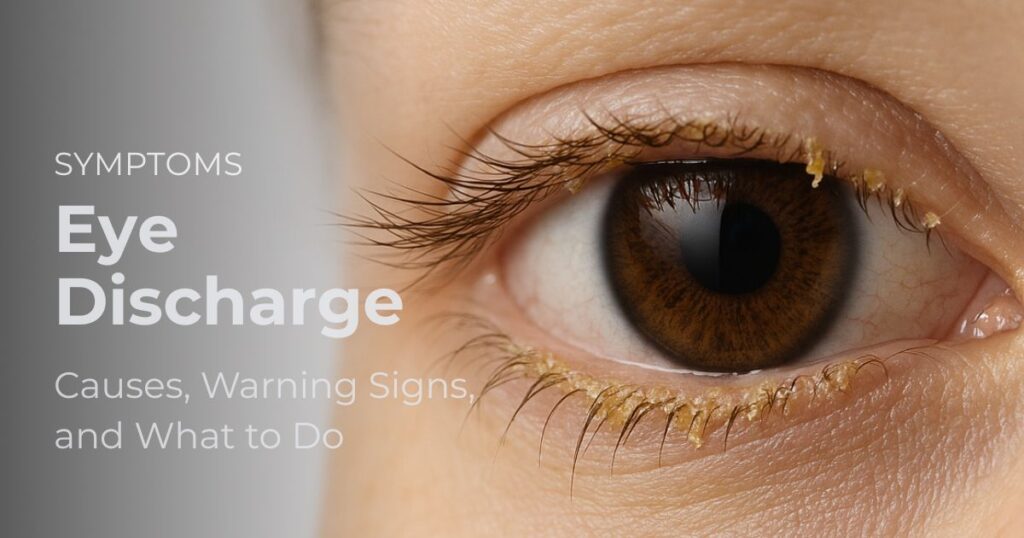
These conditions affect the eyelid margins and oil glands. The lids may look inflamed, crusty, oily, or irritated. When the oil layer is poor, tears evaporate faster and the surface becomes unstable. This often overlaps with dry eye.
Conjunctivitis
Conjunctivitis may be viral, bacterial, allergic, or irritant-related. Patients often notice redness, tearing, discharge, swelling, and discomfort. Itching strongly suggests an allergic component. Not every red eye is just “simple pink eye,” so context matters.
Corneal Abrasion or Foreign Body
A scratch on the cornea or a particle trapped under the lid can cause sudden pain, tearing, redness, and light sensitivity. Even small injuries can feel dramatic because the cornea is very sensitive.
Keratitis and Corneal Ulcer
These are more serious conditions. Infection or inflammation of the cornea may cause pain, photophobia, tearing, blurred vision, and significant redness. Contact lens wearers deserve special caution because a painful red eye in a contact lens user can represent a corneal infection that needs urgent attention.
Pterygium and Surface Degeneration
Some patients develop fleshy growths or chronic sun- and irritation-related surface changes. These may cause redness, foreign-body sensation, dryness, or visual disturbance if they become significant.
Allergic Surface Disease
Allergy-related eye disease often causes itching, tearing, redness, swelling, and recurrent flares. More severe forms can affect the cornea and become more than a minor nuisance.
When Cornea and External Disease May Be Serious
Patients often underestimate surface disease because it sounds “external.” That is a mistake. Some external disorders are mild. Others can scar the cornea and reduce vision if they are missed or treated late.
🚨 Dr. Roque’s Emergency Warning
Seek urgent eye care if you have any of the following:
- moderate to severe eye pain
- light sensitivity
- blurred vision or reduced vision
- a painful red eye while wearing contact lenses
- a white spot on the cornea
- eye injury, scratch, or possible foreign body
- chemical splash or burn
- worsening redness with discharge and swelling
- symptoms that rapidly worsen rather than improve
How an Eye Doctor Evaluates Cornea and External Disease
The main clinical job is to answer a few practical questions:
- Is the problem mainly dry, inflammatory, allergic, infectious, traumatic, or structural?
- Is the cornea still clear and intact?
- Is vision affected?
- Is there any urgent threat to the ocular surface or deeper eye structures?
The examination may include visual acuity testing, slit-lamp examination, fluorescein staining, eyelid assessment, tear film evaluation, and a careful look for foreign material, ulceration, or surface breakdown.
Treatment Depends on the Cause
For dry eye and tear film instability
Treatment may include lubricants, eyelid care, environmental adjustment, screen-habit improvement, and targeted therapy depending on severity.
For blepharitis and meibomian gland dysfunction
Lid hygiene, warm compresses when appropriate, and targeted anti-inflammatory or antimicrobial strategies may be used depending on the pattern and severity.
For allergy-related surface disease
Management often focuses on trigger reduction, cooling measures, and anti-allergy treatment tailored to symptoms.
For infection, keratitis, or ulceration
These are not “wait and see” situations. The eye must first be examined properly. Self-treatment with leftover drops is unsafe because the wrong medication can delay healing or worsen the problem.
For trauma or foreign body problems
Removal of the offending material, protection of the surface, and follow-up may be needed depending on the injury.
For pterygium or structural surface disease
Some patients only need observation and lubrication. Others may need more active treatment if redness, irritation, recurrent inflammation, or visual distortion becomes significant.
What Patients Commonly Get Wrong
- They assume all red eyes are just pink eye.
- They think “external” means never serious.
- They keep wearing contact lenses despite pain or redness.
- They reuse old steroid or antibiotic drops without a diagnosis.
- They wait too long when the eye is painful or light-sensitive.
Who May Be at Higher Risk?
- contact lens wearers
- people with chronic dry eye
- patients with eyelid disease or rosacea
- people with allergies
- those exposed to dust, chemicals, wind, sun, or workplace irritants
- patients with autoimmune or inflammatory disease affecting the ocular surface
Prevention Basics
- practice proper contact lens hygiene
- do not sleep in lenses unless specifically approved
- wear protective eyewear during risky activities
- manage lid hygiene if you are prone to blepharitis
- seek care early for a painful red eye
- protect the eyes from excessive UV exposure, wind, and irritants
✅ Dr. Roque’s Take-Home Message
Cornea and external disease covers many of the conditions that make eyes red, irritated, watery, painful, or light-sensitive. Some are common and chronic, like dry eye and blepharitis. Others are urgent, like keratitis and corneal ulcer. The safest rule is simple: if the eye is painful, light-sensitive, blurry, or red in a contact lens wearer, do not minimize it.
Frequently Asked Questions
What is the difference between corneal disease and conjunctivitis?
Conjunctivitis mainly affects the membrane covering the white of the eye and inner lids. Corneal disease affects the clear front window of the eye and is often more concerning when vision, pain, or light sensitivity are present.
Can dry eye really cause watering?
Yes. Surface irritation from dry eye may trigger reflex tearing, so a patient can feel dry and watery at the same time.
Is every red eye infectious?
No. Redness may come from dryness, allergy, trauma, inflammation, or infection. That is why a proper examination matters.
Why are contact lens users treated more cautiously?
Because contact lens wear increases concern for keratitis and corneal ulcer, which can threaten vision if not treated promptly.
What symptoms make a corneal problem more likely?
Pain, light sensitivity, foreign-body sensation, blurred vision, and significant tearing raise more concern for corneal involvement.
Can blepharitis affect the cornea?
Yes. Chronic eyelid inflammation can destabilize the tear film and contribute to corneal surface irritation and damage over time.
Is pink eye always harmless?
No. Some cases are mild, but not every red eye is simple conjunctivitis. Pain, light sensitivity, and blurred vision deserve more caution.
What is a corneal ulcer?
It is a breakdown or open sore on the cornea, often associated with infection or significant inflammation. It is an urgent eye problem.
Can sunlight and irritation cause surface disease?
Yes. UV exposure, wind, dust, and chronic irritation can contribute to several external eye surface problems.
When should I book a consultation?
Book a consultation for persistent redness, dryness, recurrent irritation, tearing, discharge, or foreign-body sensation. Seek urgent care sooner if there is pain, photophobia, reduced vision, or a red painful contact lens eye.
📚 Related Reading
📖 References
- National Eye Institute. Corneal Conditions. Updated August 6, 2025.
- American Academy of Ophthalmology. Cornea/External Disease summary and patient-education resources.
- American Academy of Ophthalmology / EyeWiki. Blepharitis.
- EyeWiki. Allergic Conjunctivitis. Updated March 6, 2026.
- MSD Manual Professional and Consumer resources on keratoconjunctivitis sicca, corneal ulcer, and ocular surface disorders.
ROQUE Eye Clinic Patient Education Series
Reviewed by the Roque Advisory Council
Dr. Manolette Roque | Dr. Barbara Roque
St. Luke’s Medical Center Global City | Asian Hospital Medical Center
Philippines
Medical Disclaimer: This page is for patient education only and does not replace a proper eye examination, diagnosis, or treatment plan. If you have pain, light sensitivity, worsening redness, reduced vision, chemical exposure, trauma, or contact lens-related symptoms, seek prompt ophthalmic care.