

PRESBYOPIA VISION CORRECTION
Presbyopia vision correction addresses age-related difficulty in near focusing. As people reach their 40s or beyond, the natural lens gradually loses flexibility. Consequently, reading small print, using mobile devices, or working on a computer becomes harder. Presbyopia vision correction offers surgical and non-surgical solutions that improve near and intermediate vision while maintaining functional distance clarity.
WHAT THIS SERVICE TREATS
Presbyopia develops when the eye’s natural lens stiffens over time. Therefore, the eye cannot adjust focus quickly between distances. Many patients notice that they hold reading material farther away. In addition, prolonged near work may cause eye strain or headaches. Presbyopia vision correction directly targets this focusing limitation.
AVAILABLE TREATMENT OPTIONS
Treatment depends on lifestyle, visual goals, and eye health. Your ophthalmologist evaluates corneal thickness, tear quality, lens clarity, and retinal health before recommending an option. Depending on findings, solutions may include the following.
1. Laser blended vision or corneal laser enhancement
2. Presbyopia-correcting intraocular lenses
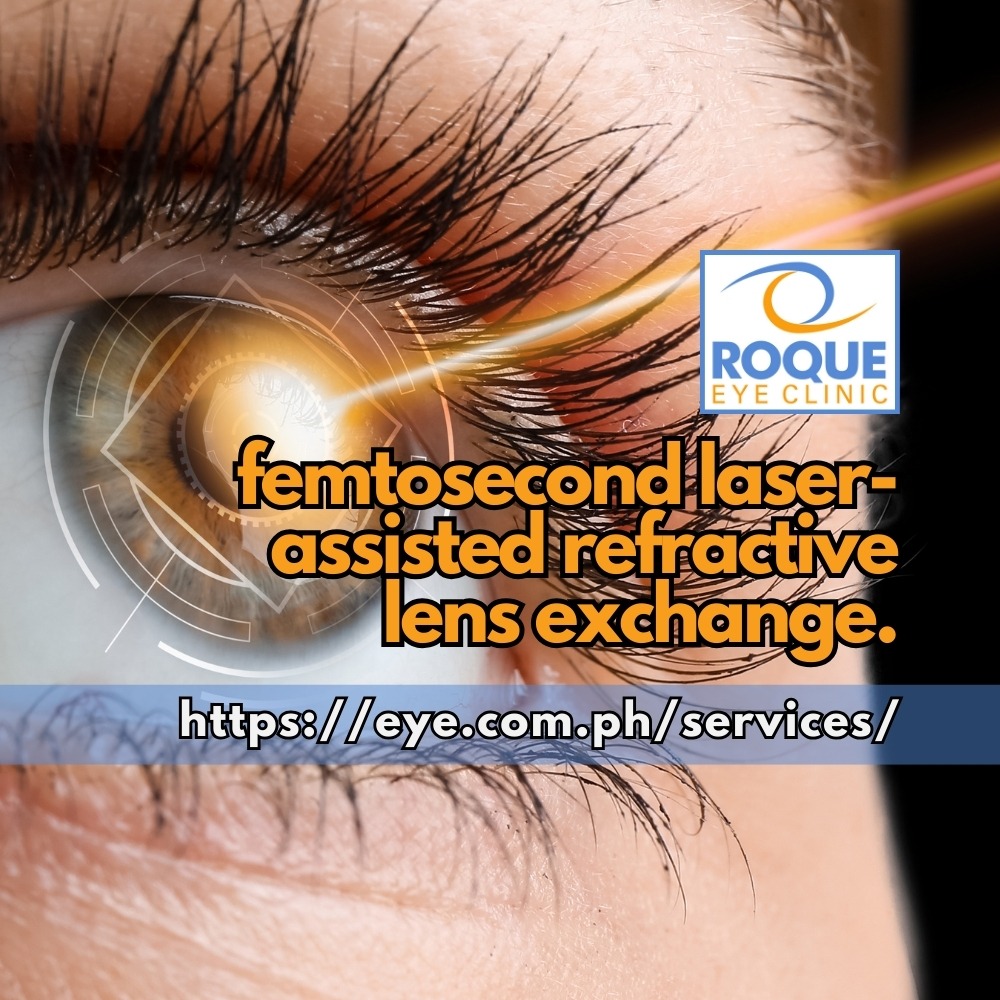
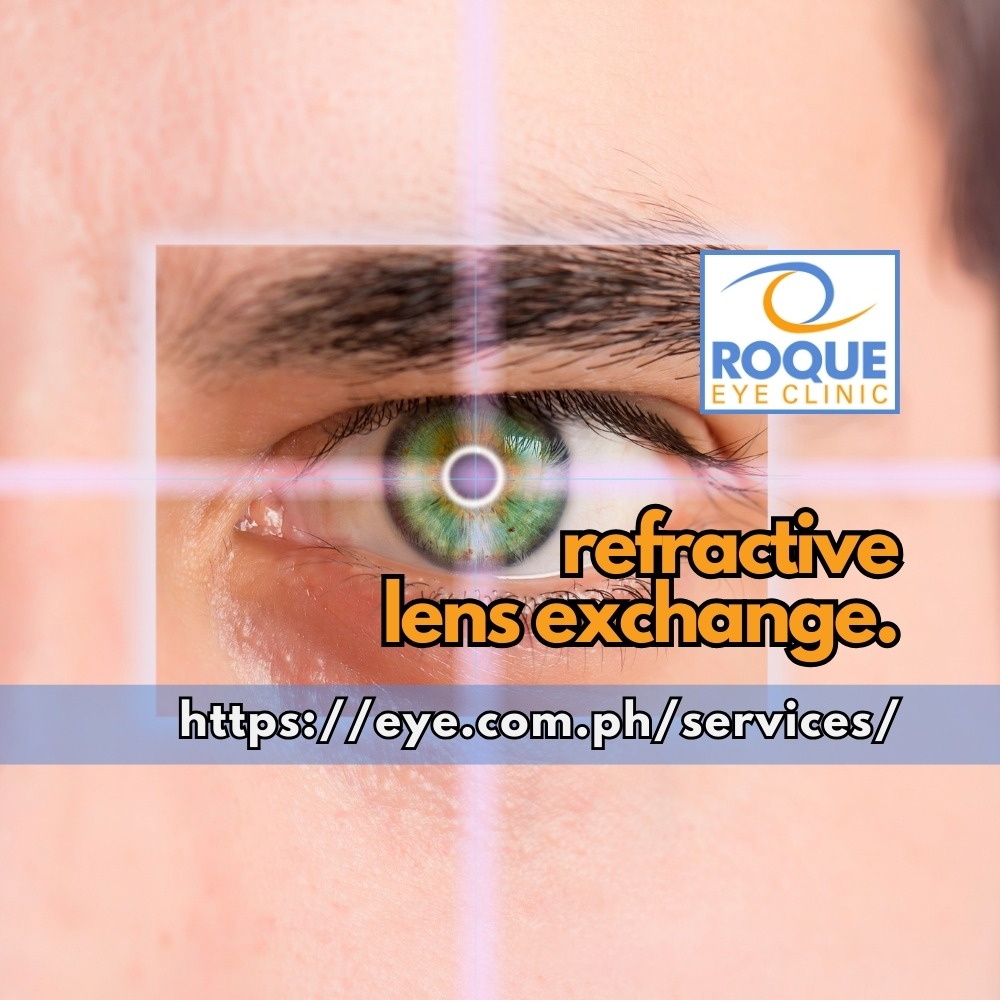
3. Refractive lens exchange
4. Monovision strategies
5. Customized contact lens programs
HOW SURGICAL OPTIONS WORK
Laser procedures reshape the cornea to create functional vision at different distances. Lens-based procedures replace the natural lens with a premium intraocular lens that improves near and intermediate focus. As a result, many patients reduce their dependence on reading glasses. However, final outcomes depend on eye anatomy and visual demands.
WHO MAY BENEFIT
Presbyopia vision correction may suit adults with stable refraction and healthy eyes. It often benefits professionals who rely on digital devices or patients who prefer greater visual independence. Therefore, a complete diagnostic assessment determines candidacy and sets realistic expectations.
RECOVERY AND VISUAL ADAPTATION
Recovery varies by procedure. Laser-based treatments often allow faster visual stabilization, while lens-based surgery requires a monitored healing period. During adaptation, the brain adjusts to new focusing patterns. Consequently, follow-up visits help optimize visual performance and comfort.
SAFETY AND CLINICAL CONSIDERATIONS
Modern presbyopia correction techniques offer high precision when performed after thorough screening. Nevertheless, risks may include dry eye symptoms, glare, halos, or residual refractive error. Your surgeon evaluates these risks during consultation and recommends the safest approach for your eyes.
Showing all 7 resultsSorted by popularity
₱ 56,000.00
₱ 56,000.00
₱ 84,000.00
₱ 56,000.00
₱ 56,000.00
₱ 92,100.00
₱ 84,000.00