

Child Eye Problems: Warning Signs Parents Should Not Ignore
🧠 Dr. Roque’s Quick Answer
Child eye problems can range from simple refractive error needing glasses to urgent conditions that can threaten sight. A child may not complain clearly, so parents often have to notice the clues first. If your child has a wandering eye, frequent squinting, abnormal head tilt, white pupil in photos, persistent tearing, light sensitivity, swollen red eye, eye pain, or a sudden drop in vision, do not wait for it to “outgrow itself.” Early evaluation can protect both vision and eye development.
Many parents assume that if a child does not complain, the eyes must be fine. That is a dangerous assumption. Children often adapt. One eye may be doing most of the work while the other eye falls behind. Some children tilt their head, sit too close to screens, blink too much, or avoid reading, but they do not know how to explain that vision feels wrong. Others have eye problems that are visible only as subtle signs in photos or daily behavior.
This page is a symptom-triage guide. It helps parents recognize what may be harmless, what deserves a routine eye check, and what needs urgent evaluation. It does not replace a full pediatric eye examination.
🎯 Focus
Help parents spot common child eye problems and separate routine concerns from dangerous red flags.
🧩 Goal
Make the next step obvious: monitor, book a proper eye exam, or seek urgent care now.
🛡️ Evidence-Based
Built around pediatric ophthalmology guidance on childhood screening, amblyopia, leukocoria, strabismus, and urgent warning signs.
🧠 Dr. Roque’s Key Learning Points
- Children often do not complain even when vision is poor.
- A wandering eye, repeated head tilt, squinting, or covering one eye deserves attention.
- A white pupil in a photo is never something to ignore.
- Persistent tearing and light sensitivity in a baby can signal more than a blocked tear duct.
- Red, painful, swollen, or injured eyes in children may need urgent evaluation.
- Early treatment matters because the visual system is still developing.
- Some child eye problems are simple to treat if caught early and much harder if delayed.
👁️ Anatomy Micro-Primer
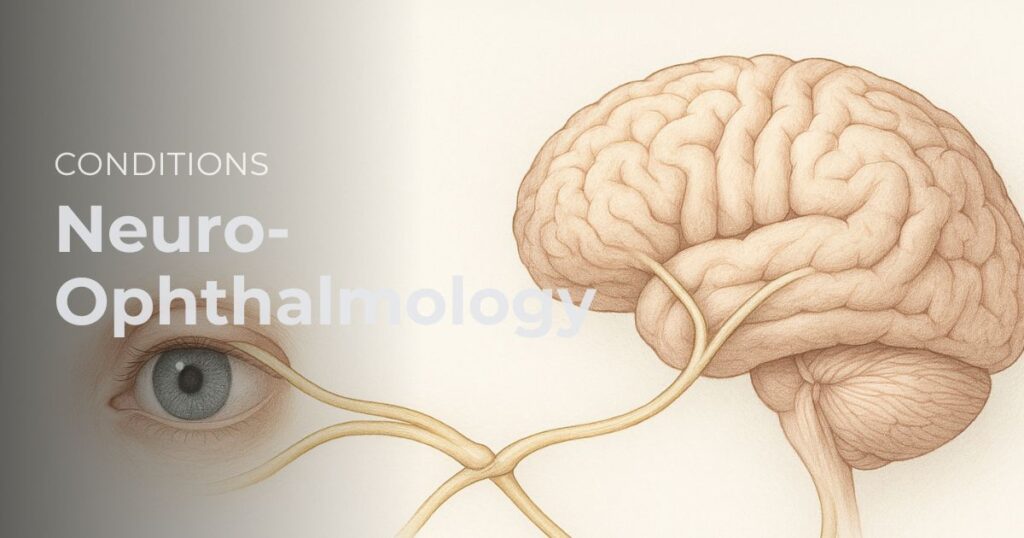
Think of your child’s visual system as two cameras connected to a growing computer. The eyes collect the image, but the brain still has to learn how to use both eyes together. If one eye is blurry, blocked by a cataract, or misaligned, the brain may start ignoring that eye. That is why some childhood eye problems are not just about the eye itself. They can affect how vision develops.
🧩 Terminology Glossary
- Amblyopia – reduced vision development in one eye or both eyes, often called “lazy eye.”
- Strabismus – eyes that do not line up properly.
- Leukocoria – a white pupil or white reflex, often noticed in flash photographs.
- Refractive error – needing glasses because the eye is out of focus.
- Red reflex – the reddish glow seen in the pupil when light is shined or a flash photo is taken.
- Photophobia – abnormal sensitivity to light.
What counts as a child eye problem?
“Child eye problems” is a broad term. It can refer to a symptom, a visible sign, a diagnosis, or a vision-development issue. Some of the most common examples include:
- Needing glasses because of nearsightedness, farsightedness, or astigmatism
- Amblyopia, where one eye does not develop normal vision
- Strabismus, where one eye turns in, out, up, or down
- Blocked tear duct causing constant tearing in infants
- Eye allergies, leading to itching and rubbing
- Conjunctivitis or “pink eye”
- Eyelid problems such as drooping lids
- Corneal, lens, or retinal problems that may threaten vision
💡 Dr. Roque’s Analogy
If a child’s vision system is like learning to walk, then early childhood is the training period. If one leg is weak, the child may still move around, but the walking pattern develops poorly. In the same way, a child with a weaker or misaligned eye may still function, but the visual system may develop the wrong pattern unless the problem is caught and corrected early.
Common signs parents notice first
Parents usually notice behavior before they know the diagnosis. Watch for patterns like these:
- Frequent squinting
- Sitting very close to screens or books
- Closing or covering one eye
- Tilting the head to one side
- One eye drifting in or out
- Clumsiness, poor depth judgment, or trouble catching objects
- Complaints of headaches after reading
- Excessive blinking or eye rubbing
- School performance issues tied to reading or visual attention
- A strange pupil reflex in photos
Child eye problems that need prompt evaluation
Not everything is an emergency, but some patterns should not be brushed aside. These are the ones I would take seriously:
1) A wandering eye or eyes that do not line up
In very young babies, brief intermittent misalignment can sometimes occur. But persistent or clearly noticeable eye turning beyond early infancy deserves evaluation. Sometimes the problem is strabismus. Sometimes the eyes look misaligned because of facial features, but that should be confirmed by an eye doctor, not guessed at home.
2) One eye seems weaker than the other
If your child always turns the same side, closes one eye in bright light, or seems to miss objects on one side, do not assume it is just a habit. Unequal focusing power, strabismus, or cataract can lead to amblyopia.
3) White pupil in photos
This is one of the biggest red flags. A white reflex can be caused by a camera angle sometimes, but it can also signal a serious problem such as cataract, retinal disease, or even retinoblastoma. This is not a “wait and see” sign.
4) Persistent tearing, discharge, or light sensitivity
A blocked tear duct is common in infants, but tearing with obvious light sensitivity, enlarged eye appearance, or corneal haze is more concerning. In older children, tearing with redness and pain needs proper assessment.
5) Red swollen painful eye
A mildly pink eye with viral symptoms is very different from a child with significant pain, swollen lids, fever, reduced vision, or trouble moving the eye. That can be more serious.
6) Sudden change in behavior related to vision
If a child suddenly becomes fearful on stairs, stops reading, complains of seeing double, bumps into objects, or says vision became blurry, that needs evaluation. A child who suddenly stops using one eye normally is not something to normalize.
🚨 Dr. Roque’s Emergency Warning
Seek urgent eye care or emergency evaluation now if your child has:
- A white pupil or abnormal glow in the eye
- Sudden vision loss or sudden inability to see well
- Eye trauma, chemical splash, or penetrating injury
- Severe eye pain
- Red eye with marked light sensitivity
- Swollen red eyelids with fever or reduced eye movement
- New double vision
- A cloudy cornea, enlarged-looking eye, or baby who is very bothered by light
What usually causes child eye problems?
The cause depends on the symptom. Here is the practical breakdown:
- Blurry vision may come from refractive error, amblyopia, cataract, or retinal problems.
- Eye turning may be due to strabismus, poor vision in one eye, or less commonly a neurologic problem.
- Tearing may come from blocked tear duct, irritation, allergy, infection, or more serious corneal or pressure-related disease.
- Red eye may come from allergy, viral conjunctivitis, irritation, trauma, or deeper inflammation.
- Excessive blinking can happen with dryness, allergy, habit, refractive error, or eye misalignment.
- Head tilt may be a clue to a muscle imbalance, eye movement problem, or effort to see more clearly.
What will an eye doctor check?
A proper pediatric eye examination is not just “read the chart and go home.” Depending on age, we may assess:
- How each eye sees
- Whether the eyes are aligned
- How the pupils react
- The red reflex
- The front of the eye and the cornea
- The need for glasses, often with cycloplegic refraction when appropriate
- The retina and optic nerve when a deeper cause is suspected
How are child eye problems treated?
Treatment depends on the cause. Common treatments include:
- Glasses for focusing problems
- Patching or atropine penalization for amblyopia in selected cases
- Eye drops or medicines for infection, allergy, or inflammation
- Tear duct management for infants with persistent watering
- Surgery when needed for strabismus, cataract, eyelid problems, or other structural issues
The mistake parents make is delaying treatment because the child “seems okay.” A child can seem okay and still be losing the chance for normal visual development.
What parents can do right now
- Look at recent flash photos. Check if both eyes show a similar normal reflex.
- Notice whether one eye drifts, especially when tired.
- Watch for squinting, head tilt, or closing one eye.
- Do not self-diagnose “lazy eye” or “blocked tear duct” without a proper exam if the pattern is persistent.
- Bring old glasses, school screening results, and prior records if available.
- If there is pain, trauma, a white pupil, or sudden visual change, seek urgent assessment.
ROQUE Eye Clinic Pediatric Ophthalmology Knowledge Hub
This page is a symptom guide. For deeper disease-specific discussion, continue to the pediatric conditions hub.
📚 Related Reading
✅ Dr. Roque’s Take-Home Message
Child eye problems are easy to underestimate because children adapt well and complain poorly. That is exactly why early evaluation matters. If something about your child’s eyes looks unusual, behaves unusually, or worries you repeatedly, do not wait for certainty. In pediatric eye care, delay is often the real problem.
Frequently Asked Questions
1) My child does not complain. Can there still be an eye problem?
Yes. Children often assume the way they see is normal. They may adapt instead of complaining.
2) Is a wandering eye ever normal?
Brief intermittent misalignment may be seen in early infancy, but persistent or obvious eye turning should be checked.
3) What does a white pupil in photos mean?
Sometimes it is a photographic artifact, but it can also signal serious disease. It needs prompt evaluation.
4) Can too much screen time cause all child eye problems?
No. Screen time is not the explanation for every symptom. Do not let that easy answer distract you from more important causes.
5) When does a child need glasses?
When a refractive error is strong enough to blur vision, strain the eyes, or interfere with visual development.
6) Can child eye problems affect school performance?
Absolutely. A child who struggles to see may avoid reading, lose attention, or appear less interested than they really are.
7) Is tearing in a baby always just a blocked tear duct?
No. That is common, but persistent tearing with light sensitivity, corneal clouding, or obvious discomfort needs closer assessment.
8) Can lazy eye be treated?
Yes, especially when detected early. Treatment may include glasses, patching, atropine, or treatment of the underlying cause.
9) When should my child have an eye check even if there are no symptoms?
Routine pediatric vision screening matters, and a full eye exam is wise when screening is failed or concerns are present.
10) What is the biggest mistake parents make?
Waiting for the child to complain clearly or assuming the problem will disappear with age.
📖 References
- American Academy of Ophthalmology. Child eye warning signs and childhood eye screening resources.
- American Association for Pediatric Ophthalmology and Strabismus. Vision screening recommendations.
- National Eye Institute. Amblyopia (lazy eye).
- American Academy of Family Physicians. Childhood eye examination in primary care.
ROQUE Eye Clinic Patient Education Series
Reviewed by the Roque Advisory Council
Dr. Manolette Roque | Dr. Barbara Roque
St. Luke’s Medical Center Global City | Asian Hospital Medical Center
Philippines
Medical Disclaimer: This page is for patient education only. It does not diagnose your child’s condition and does not replace an in-person consultation, examination, or emergency care when needed.